
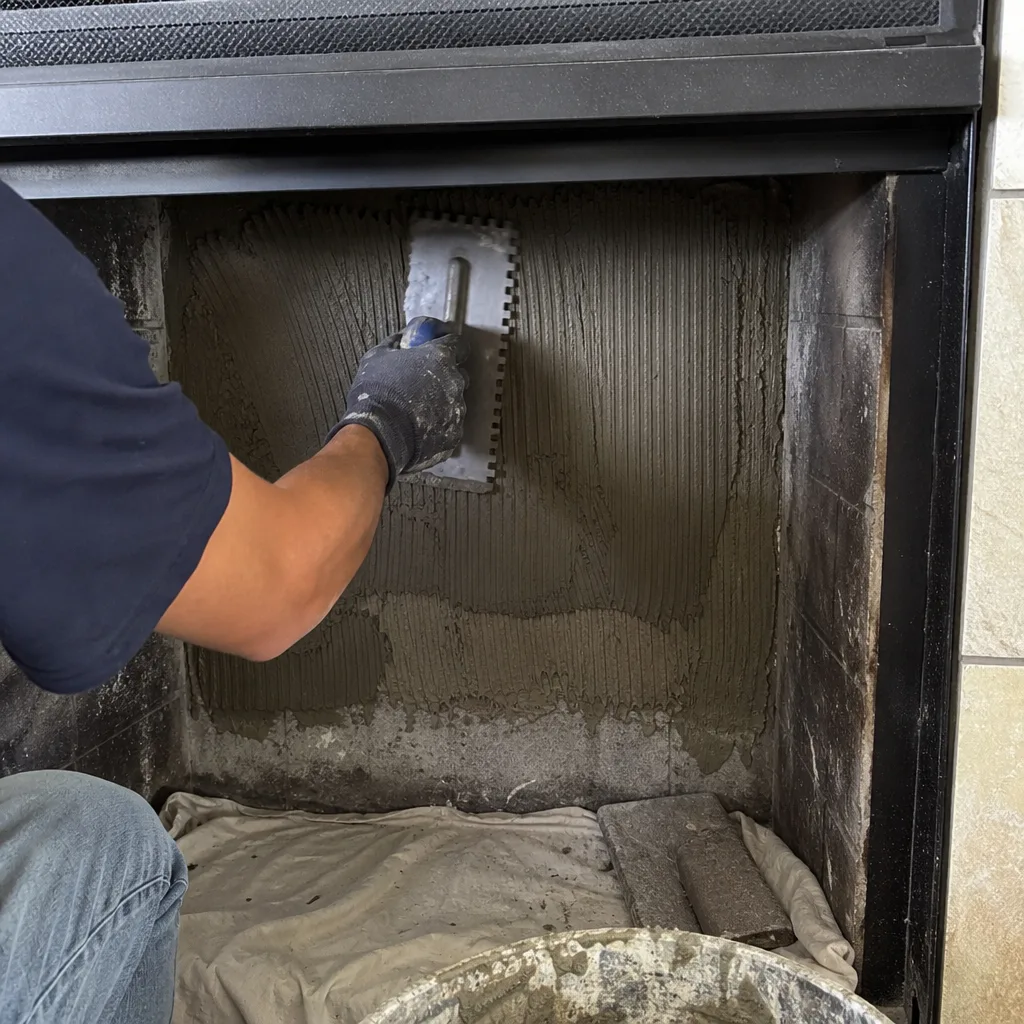
Last updated November 24, 2026
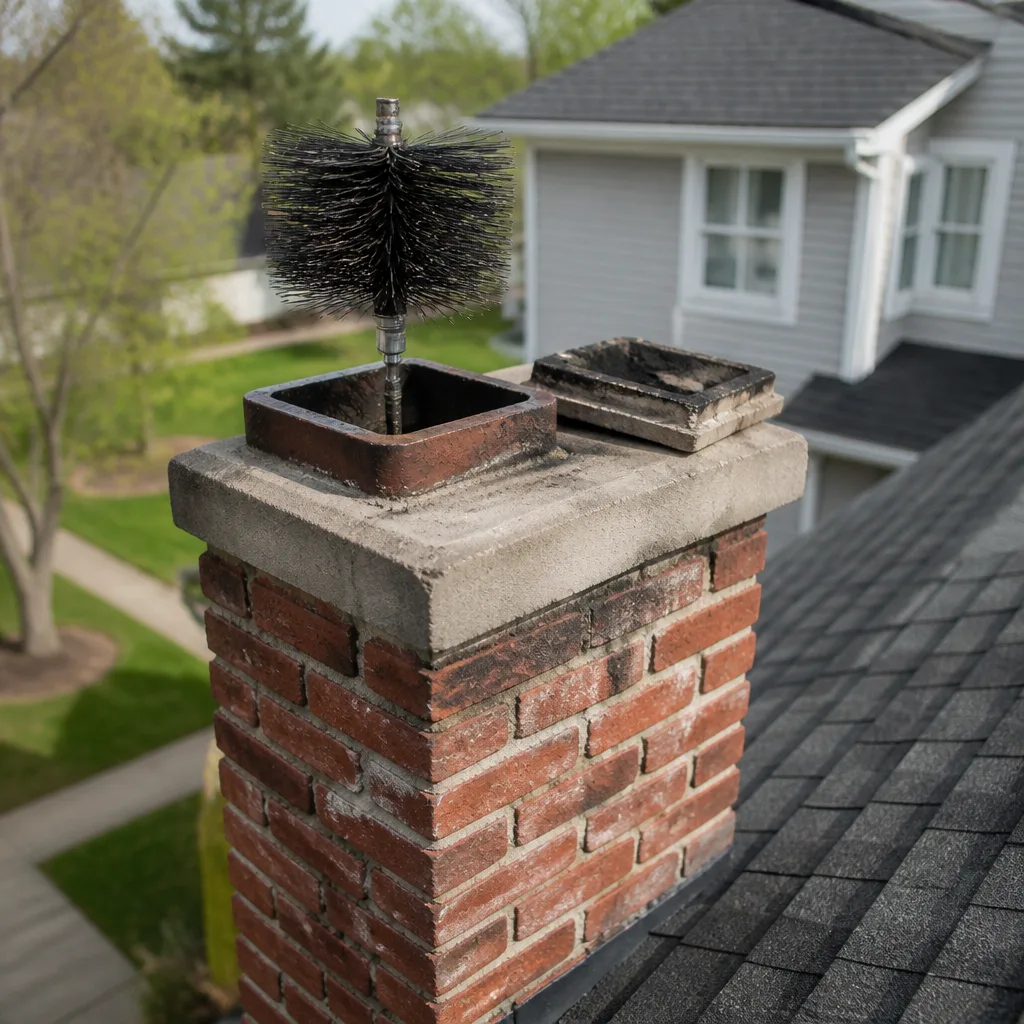 Sweep & inspection
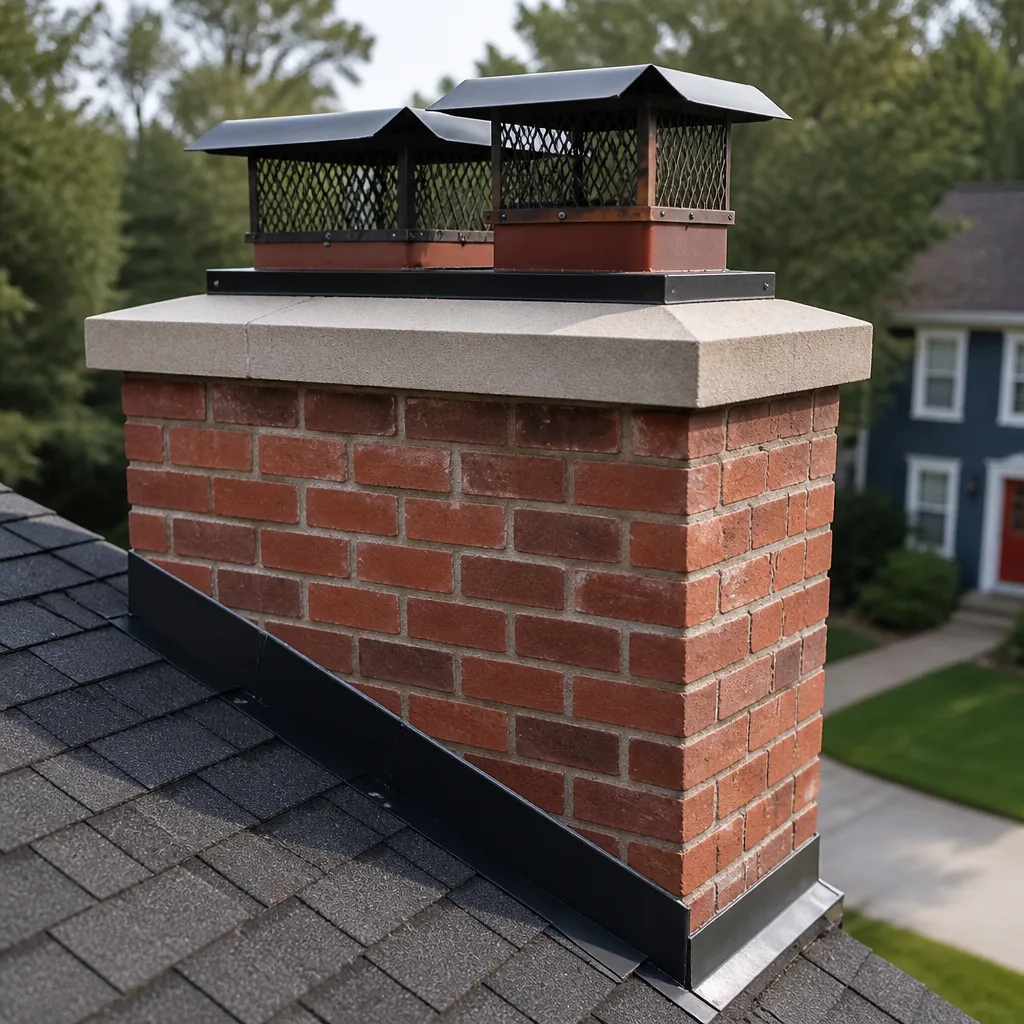 Caps & crowns
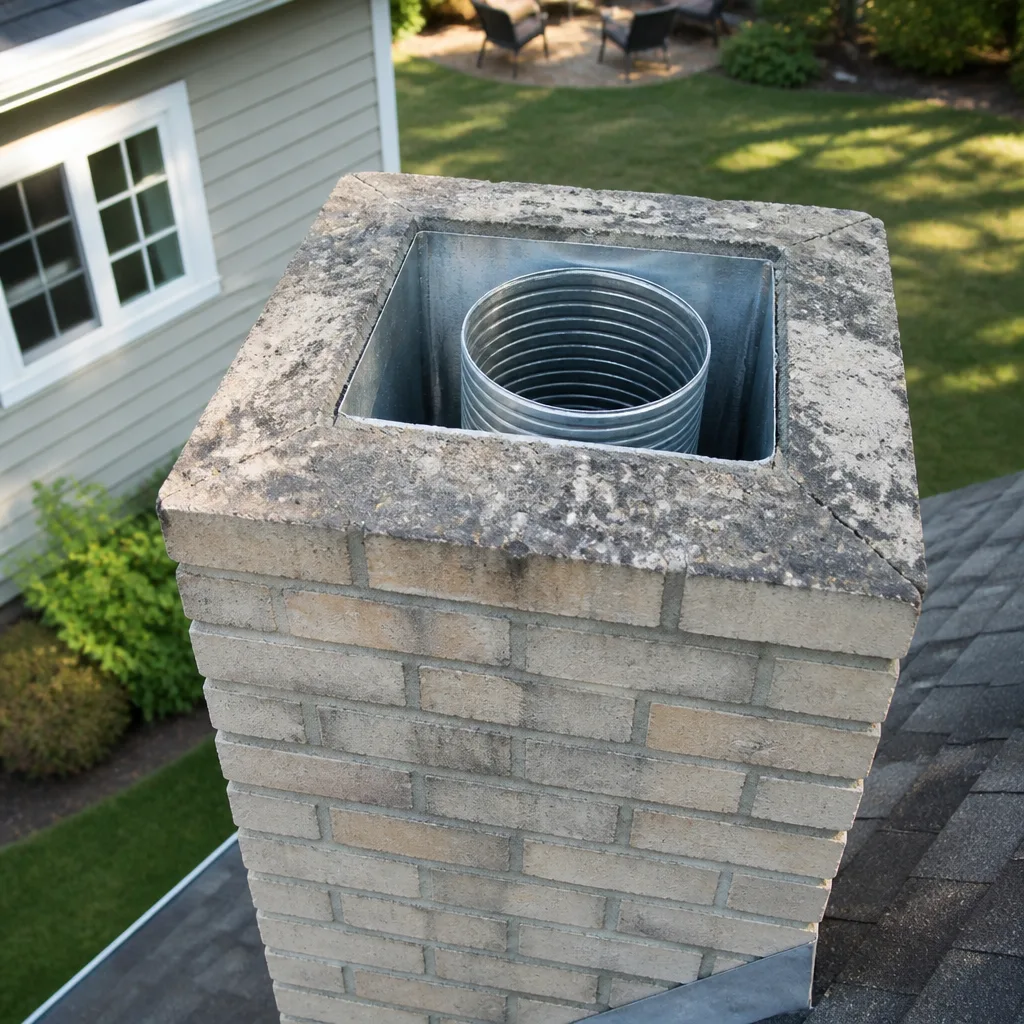 Flue relining
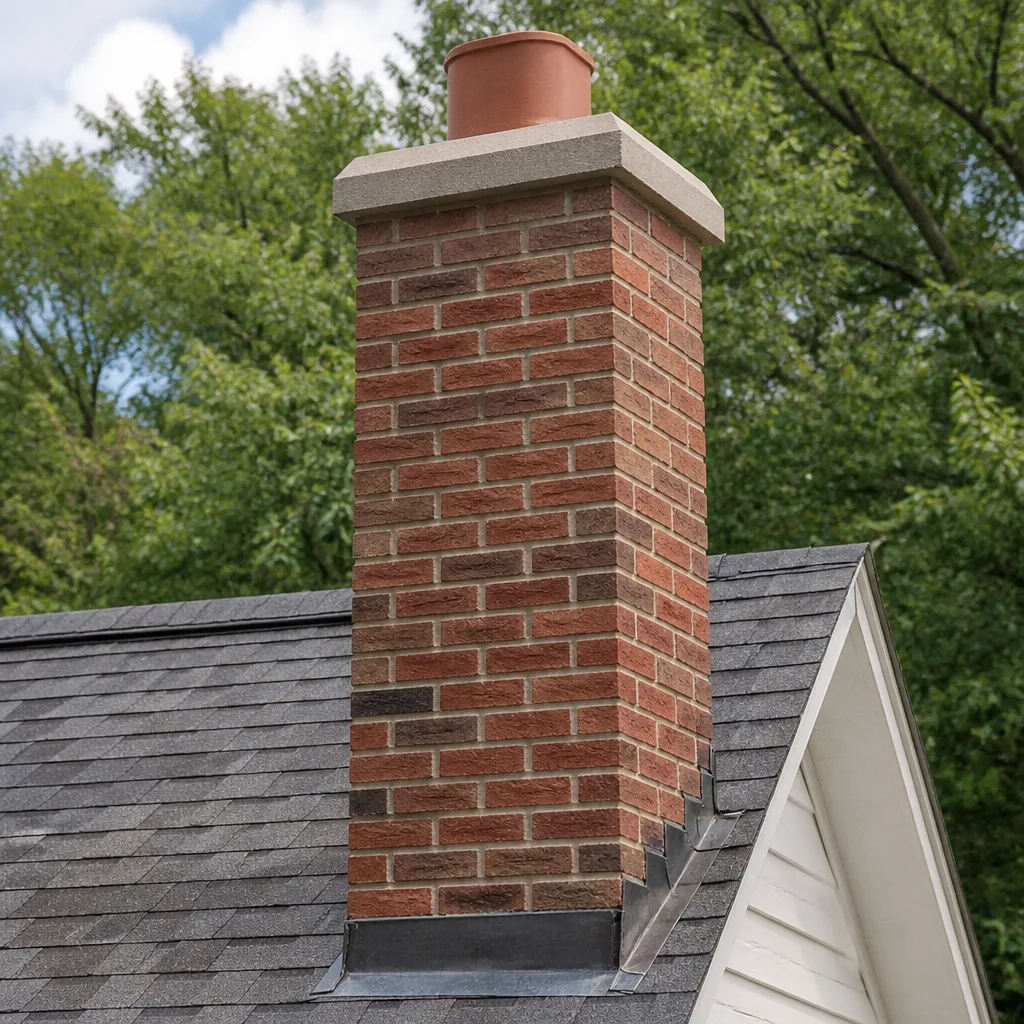 Masonry repair
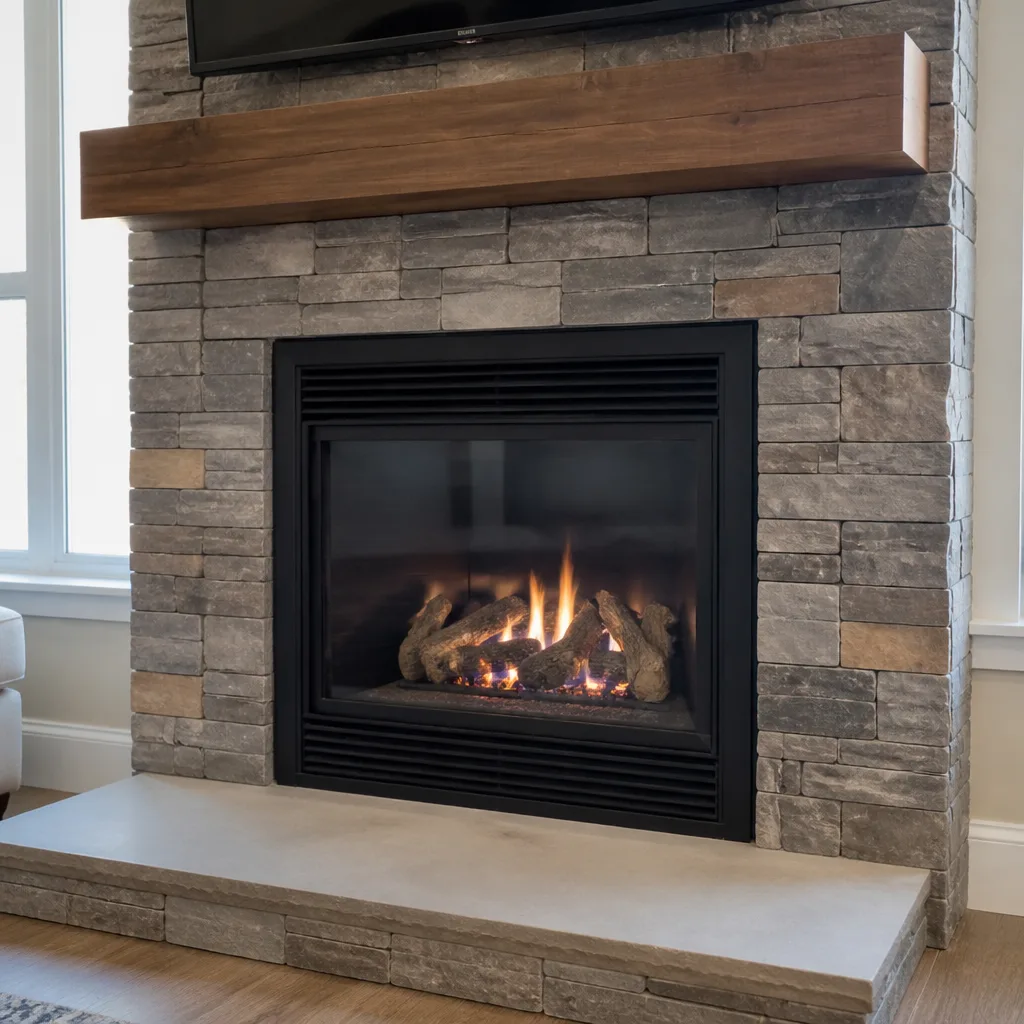 Gas fireplace service
Level 1 sweep and inspection to the NFPA 211 annual standard - flue, crown, cap, and flashing checked and photographed
Chimney sweep logs do not sweep chimneys. They loosen some creosote - which then falls where a brush and vacuum still have to collect it.
DIY vs Professional Chimney Cleaning: The Spanish Fork Homeowner’s Decision Guide
You can buy a chimney brush kit at any hardware store and get the firebox visibly clean in an afternoon – and still light a fire next to a Stage 2 glazed deposit or a cracked tile that the brush passed right over. The push and pull of do-it-yourself chimney care feels like a skill question. It isn’t. It’s a question of what you can actually see. A brush reaches the flue walls; it does not tell you what those walls are made of now, or how much of them is left. In the pages below, we’ll walk you through exactly what DIY cleaning removes and what it can’t reach, where self-cleaning is genuinely reasonable, and how Spanish Fork’s wood-burning habits move the risk calculation more than the national averages suggest.
Quick Answer
Professional cleaning is the safer default in Spanish Fork because local wood-burning use tends to be heavier than the national average, and a brush alone can’t assess liner condition. DIY makes sense mainly for a lightly used gas insert with a recently inspected, confirmed-clean flue. For most wood burners here, inspection and cleaning belong in professional hands, with interim brushing as a supplement, not a substitute.
Styles & brands we work with
- Sweep & inspection
- Caps & crowns
- Flue relining
- Masonry repair
- Gas fireplace service
Table of Contents
- What DIY Cleaning Actually Removes
- What DIY Cleaning Cannot Address
- Why Spanish Fork Wood-Burning Habits Change the Math
- What a Technician Sees That You Cannot
- Building a Hybrid Approach
- When DIY Is Genuinely Reasonable
- Common Mistakes to Avoid
- When to Call a Professional
What DIY Cleaning Actually Removes
A chimney brush does one thing well: it scrapes and knocks down the loose, sooty layer that coats the inside of the flue after a season of burning. That layer is real, it accumulates, and a proper brushing from the top down, or from the firebox up with the right rods, can move a meaningful amount of it out. If you’ve been burning dry, seasoned hardwood and your flue has only a light, powdery soot coating, a brush kit used with care will lift most of it.
Here’s the honest part. That’s about where the DIY capability ends. The brush removes what clings to a healthy surface. It doesn’t evaluate whether the surface underneath is healthy. What the brush meets on a good day is powder. On a bad day it’s glazed, hard, tar-like creosote that has undergone a chemical change and bonded to the flue wall. That material doesn’t sweep away with a brush. It flakes, it smolders, it can reignite.
- Soot: loose, powdery, the easiest deposit to remove – brush-friendly.
- Stage 2 creosote: flaky and crusty, harder to dislodge, often missed by a quick pass.
- Stage 3 glazed creosote: hard, shiny, tar-like; a brush passes over it. This is the deposit fire safety focus is built around.
What you can physically do from the firebox opening is remove the top layer of the problem. What you can’t do is identify which stage of creosote you’re looking at, because it’s dark, it’s above your eyeline, and it doesn’t tell you its history. That distinction matters everywhere, and it matters most in Spanish Fork, where a long burning season means deposits have more time to glaze.
What DIY Cleaning Cannot Address
The biggest gap between DIY and professional chimney work isn’t the cleaning tool – it’s the diagnostic information the cleaning session generates. A professional cleaning session is also an inspection, whether you booked one or not. The technician is running a camera up the flue, reading the condition of the liner and the crown, and deciding whether your fire is safe to light. That’s the part a homeowner can’t replicate from the ground.
What the brush never touches, and your eye never sees during a solo cleaning:
- Liner integrity. Spalling clay tile, cracked joints, breaks, gaps – all hidden behind soot until the flue is cleaned and lit.
- Creosote stage sitting above the clean zone. A firebox that looks clean doesn’t mean the upper flue is clean.
- Crown and cap condition. Cracks in the crown and rusted or missing caps are the most common sources of water intrusion. From the firebox, they’re invisible.
- Obstructions. Nests, leaves, and fallen masonry that block the flue and pose a carbon monoxide risk.
- Draft problems. A flue that smokes back into the room, or smolders, tells a technician something the homeowner often accepts as “just how it is.”
This is where we’ve made our own judgment about how to run the business: a cleaning that doesn’t include a condition assessment isn’t finished. That’s why we photograph what we find and show it to you before we talk about repairs, and it’s why a cap or crown issue we spot during a cleaning gets quoted on the spot rather than left for a separate visit from a different contractor.
Why Spanish Fork Wood-Burning Habits Change the Math
Spanish Fork is a wood-burning town. Homes here run fireplaces and wood stoves as serious heat sources through long cold months, not just as ambience for a few winter evenings. The national averages for “chimneys per year” assume lighter use and slower creosote accumulation. In a household burning several cords a season, the deposit layer builds fast enough that the difference between a professionally cleaned flue and a lightly brushed one is measured in months, not years.
That matters for the DIY calculation in three ways:
- Volume of fuel. More cords burned means more creosote in the same flue, which means stage-2 and stage-3 deposits become realistic problems, not rare edge cases.
- Burning season length. A longer cold stretch gives deposits more time to harden and glaze between cleanings.
- Type of fuel. Mixed or unseasoned wood, common in a household that’s heating rather than decorating, produces wetter smoke and faster accumulation.
If you’re heating with wood in Spanish Fork, your flue is working harder than the national guidance assumes. The professional cleaning interval that suits lighter use may not be sufficient for your house, and that’s the single biggest reason we recommend an inspection at least annually for the heavier wood user. Our technicians have up to 9 years of experience, and they’ve seen how much faster a busy wood-burning household builds a deposit load than an occasional fire user will ever understand from a brush kit.
What a Technician Sees That You Cannot
Stand at the firebox opening with a flashlight, and you can see roughly a foot into the flue. Stand on the roof with a camera, and you can see the whole run. That’s the practical difference. A technician sees the flue from both ends, in a steady light, with tools that let them actually touch the surface instead of squinting at it. What they find is different from what a brush reveals because they’re looking for it.
Here’s what a technician notices during a cleaning that a homeowner doing the same cleaning won’t:
- The liner surface texture above the swept zone, which reveals whether glazed creosote is present.
- Cracked or spalled tiles at the flue top and at joints that are hidden in shadow from below.
- The crown and cap from above, where cracking, rust, and nesting birds are actually visible.
- Draft and airflow behavior across the whole flue run, not just the firebox.
- The condition of the firebox itself, including brick and mortar joint degradation that affects how the fire draws.
When a technician finds a failing liner, the fix isn’t always a full tear-out. HeatShield lets us restore a damaged flue from the inside without removing your existing liner in many cases, and for irregular older chimneys where rigid liner systems don’t fit the run, a DuraFlex flexible liner can handle the geometry. Those options only exist because the diagnosis happened. A homeowner with a brush kit can remove the top layer of deposits and still have no idea whether the flue underneath is sound, cracked, or one cold snap from failing.
Building a Hybrid Approach
If you’re comfortable with some hands-on maintenance and want to control costs, there’s a reasonable middle road. The rule is simple: professional assessment, homeowner interim maintenance. The professional gets the diagnostic job. You do the mid-season brush-down. That split keeps your flue in decent shape without relying on DIY for the part DIY can’t do.
What a hybrid schedule looks like for a typical Spanish Fork wood-burning household:
- Year one: full professional cleaning and inspection. This sets the baseline and tells you what creosote stage you’re dealing with.
- Year two (before the heavy season): professional inspection, with cleaning if indicated. If the previous season was light, this visit may be inspection-only.
- Between visits: homeowner brush maintenance at the mid-season mark, once the flue has cooled completely and you’ve confirmed the flue is sweepable from the previous inspection.
- Annually in the fall: book the professional visit before the burning season starts so the flue is clean going in, not after the deposits have had a summer to harden.
The critical constraint on the interim brushing step: you only do it if a professional has confirmed the flue is sound and safely brushable. If the liner is compromised, brushing from the firebox can snag tile edges and worsen the damage. That’s why the inspection books first, and your brush comes second. If you’re unsure whether your chimney has been inspected recently, our Chimney Sweep Spanish Fork page is a reasonable place to start the conversation, or just call us and we’ll tell you what an inspection entails.
When DIY Is Genuinely Reasonable
We’re not going to tell you a brush kit is useless. There are real situations where a homeowner can reasonably handle routine maintenance between professional visits, and where a full professional cleaning from top to bottom isn’t actually necessary every season. The trick is knowing whether you’re in one of those situations.
DIY is genuinely reasonable when:
- You have a gas insert or gas fireplace. A gas appliance with a flue liner that’s clean and intact produces very little deposit load. Annual brushing of a gas log setup is within reach for a careful homeowner.
- A recent professional inspection confirmed the flue is sound. No cracks, no gaps, no spalling, no compromised crown. The inspection report should be in your hands, not promised verbally.
- You burn lightly. Occasional fires, dry well-seasoned wood, low cord count per season. The deposit layer builds slowly enough that brushing is sufficient between professional visits.
- You have the right tools. Proper chimney brush sized to your flue, extension rods, drop cloths, a headlamp, and a shop vac rated for soot. Improvised hardware-store kits sized for the wrong flue size do more harm than good.
- You know exactly when to stop and call. A sudden draft change, smoke rolling into the room, a smell that wasn’t there before, or visible damage on inspection all mean the DIY window has closed.
If you’re not sure you meet all five, you’re looking at a professional cleaning. And that’s fine. The call is inexpensive compared to the alternative, and the inspection report is something you keep.
Common Mistakes to Avoid
- Assuming the clean firebox means a clean flue. The firebox is the bottom few feet. The flue carries the whole deposit load above your sightline. A clean firebox and a clean flue are two different jobs.
- Brushing creosote without knowing the stage. A brush meets glazed stage-3 creosote and glides over it. If you don’t have an inspection that confirms what you’re brushing, you can’t tell whether you’ve removed it or just disturbed it.
- Using the wrong brush size. A brush too big for the flue jams; a brush too small skips the walls. Both leave deposits behind and can damage soft flue tile. Sizing by flue measurement matters more than brand.
- Skipping the crown and cap. In a place like Spanish Fork where water intrusion through a cracked crown is common, an annual cleaning from inside the flue doesn’t touch the most likely repair. The top of the chimney is where half the damage starts.
- Delaying the inspection for another season. The one advantage a crack in a liner gives you is time, and it uses it up. A cracked tile that sits for two years becomes a full liner replacement that could have been a resurfacing job.
- Burning unseasoned wood to stretch the cord count. Wet wood produces more creosote, faster. DIY maintenance can’t keep up with a household that’s burning damp fuel through a long Spanish Fork winter.
- Assuming a hardware-store brush kit equals a sweep. The tools remove deposits. The sweep captures information. Those are not the same service and the price difference reflects the diagnostic half.
When to Call a Professional
Call a professional if any of the following is true: you can’t confirm the flue condition with a recent inspection, you see or smell glazed creosote, your fire smokes back into the room or draws poorly, you’ve had a chimney fire, you burn more than a couple of cords a season in Spanish Fork, your crown is cracked or your cap is missing, or you’ve moved into a home whose chimney history you don’t know. Any one of those means the DIY window has closed and the next step is a real assessment. Also call if you’re simply not sure. A brief conversation about what you’re seeing always beats guessing.
Chimney Sweep Spanish Fork offers free estimates in Spanish Fork – call (877) 492-4380. We answer 24/7. Fast dispatch from 7am to 7pm, Sunday through Friday.
See the difference
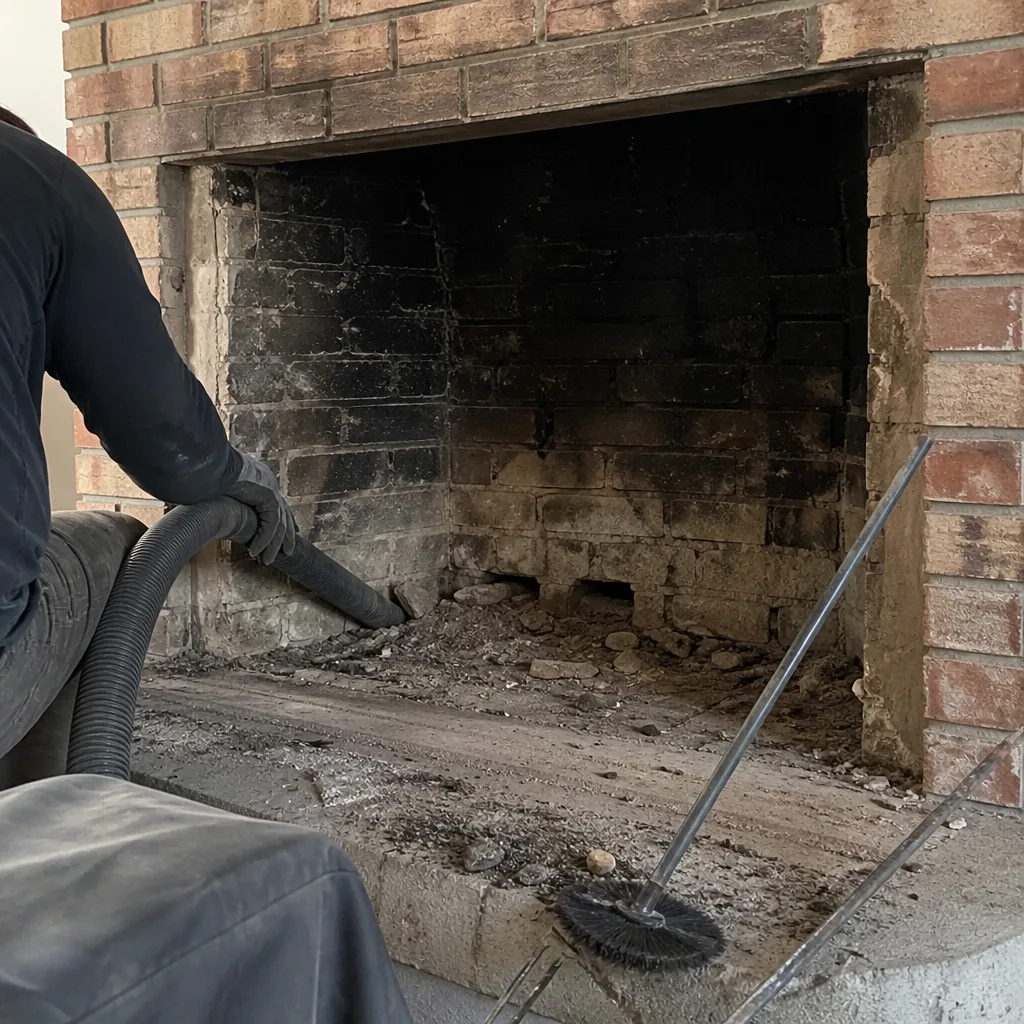 Before
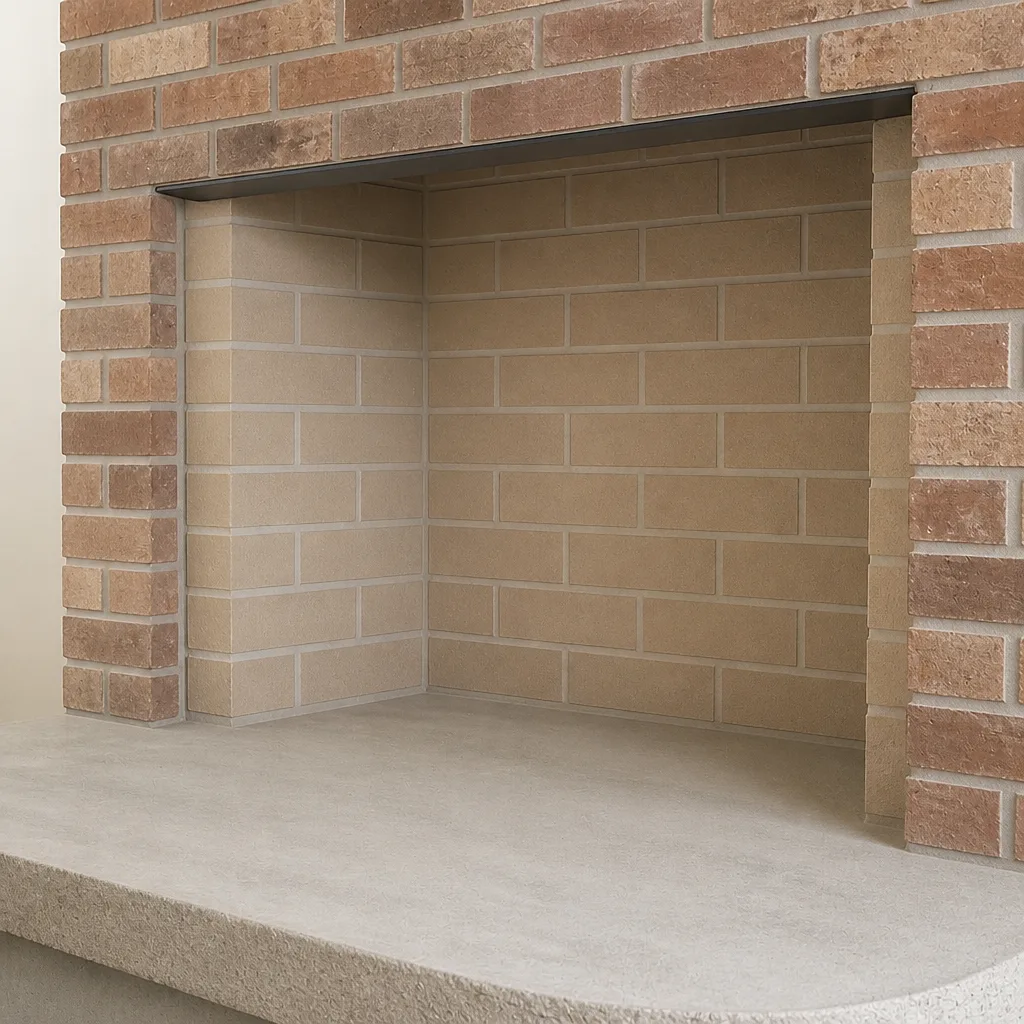 After
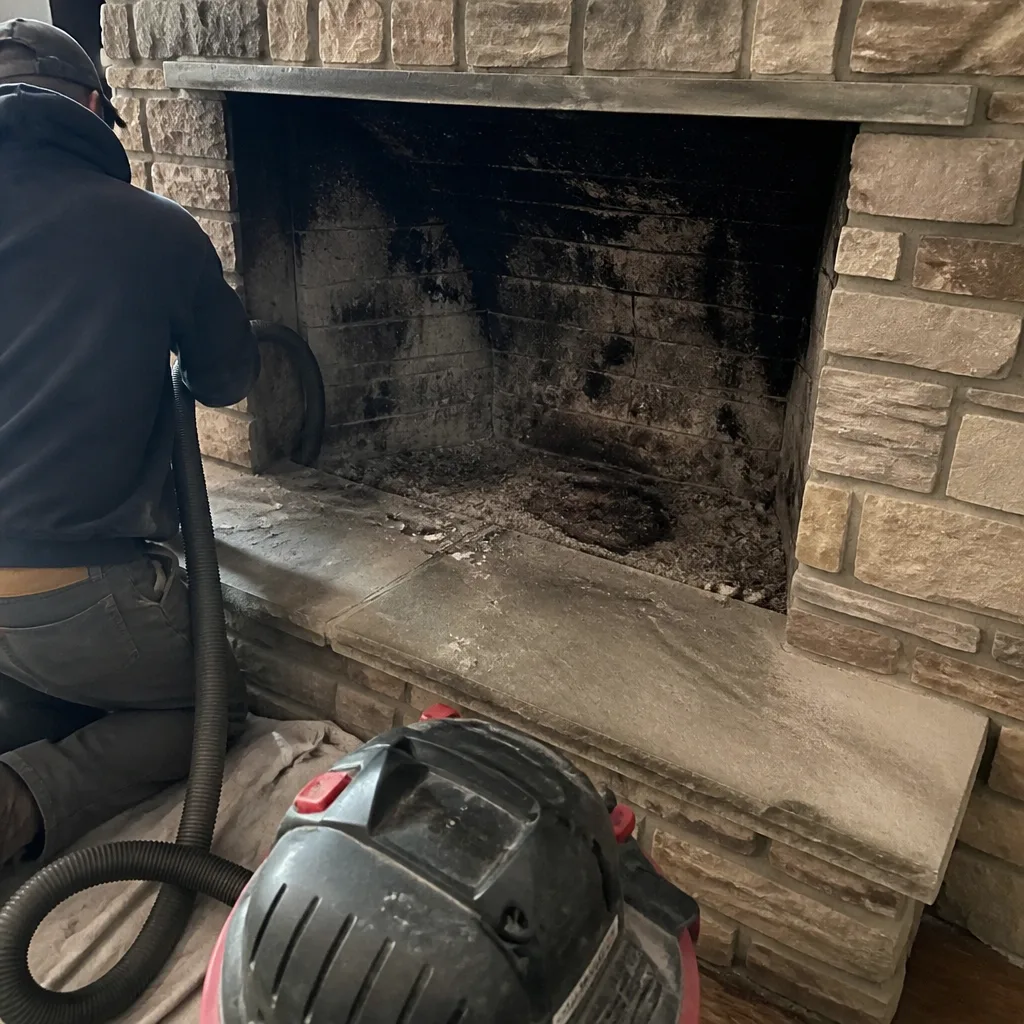 Before
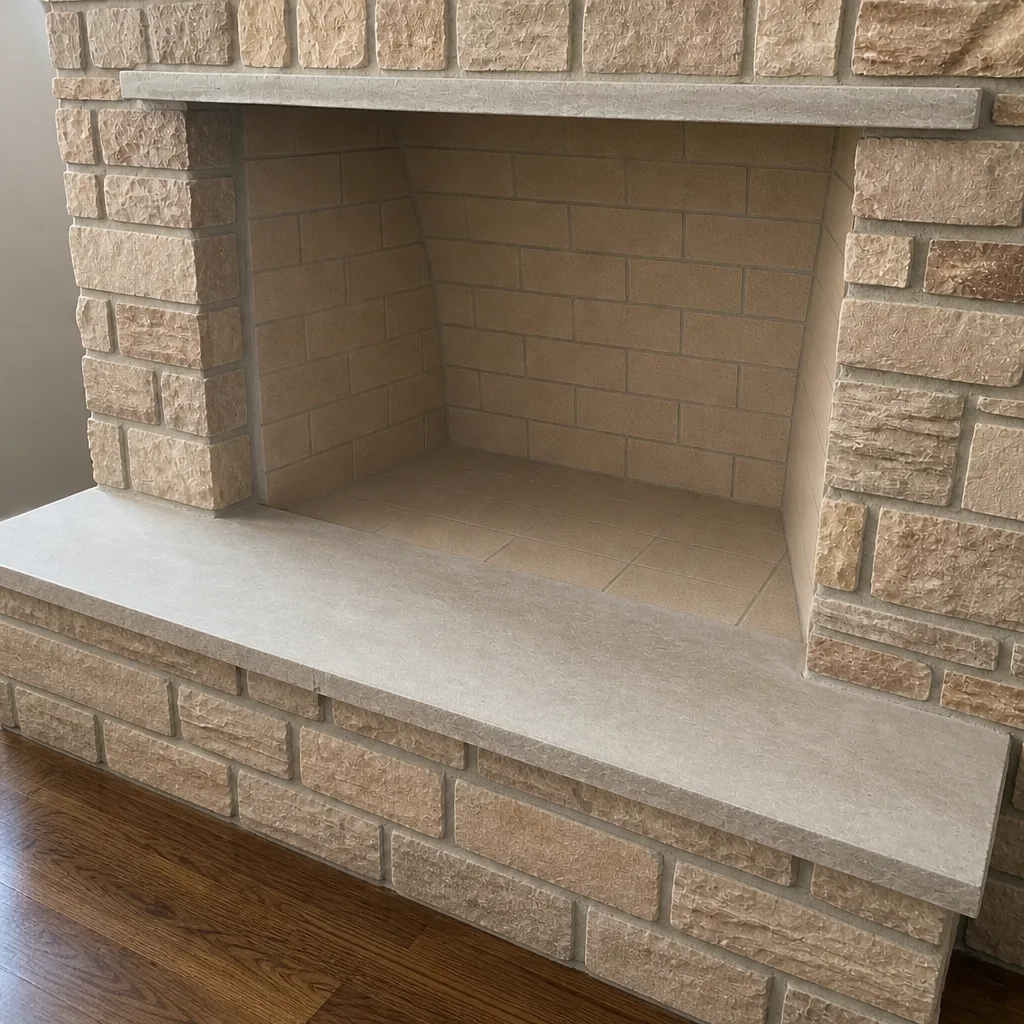 After
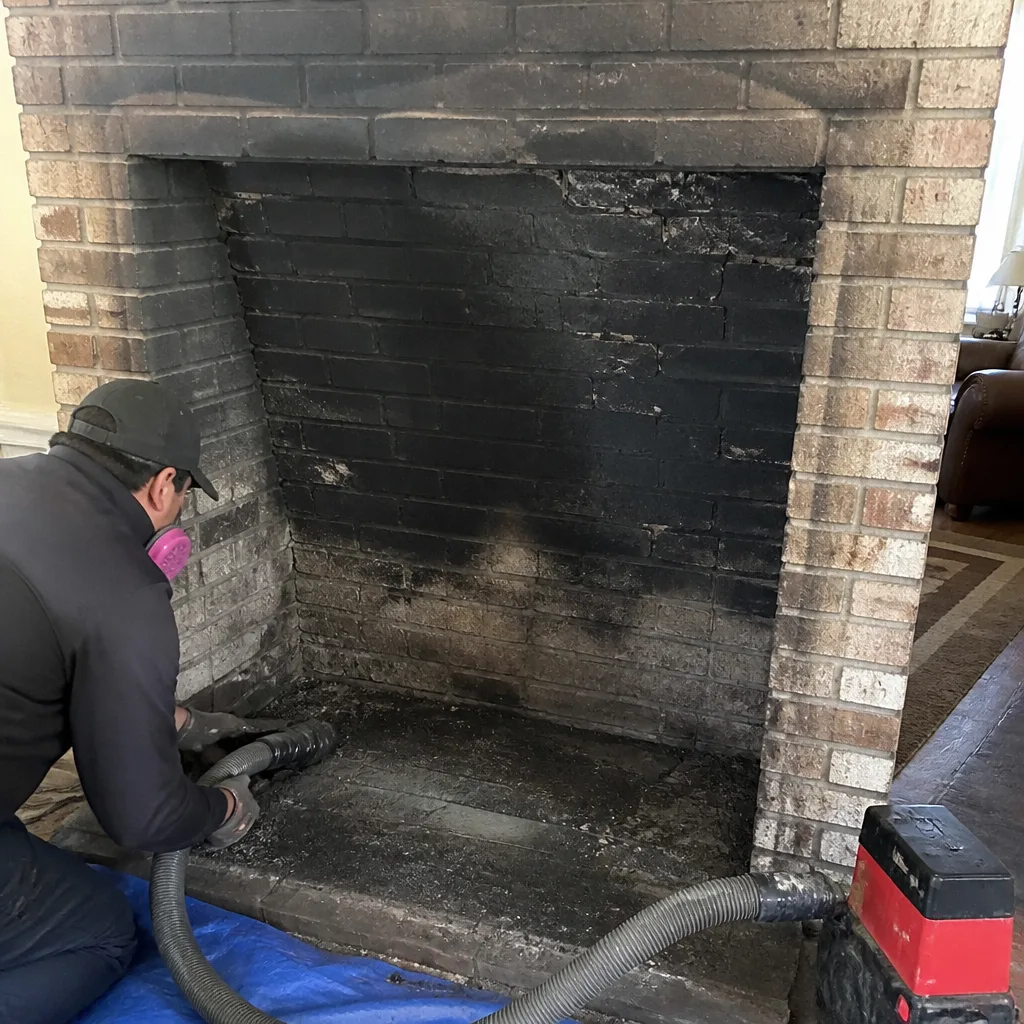 Before
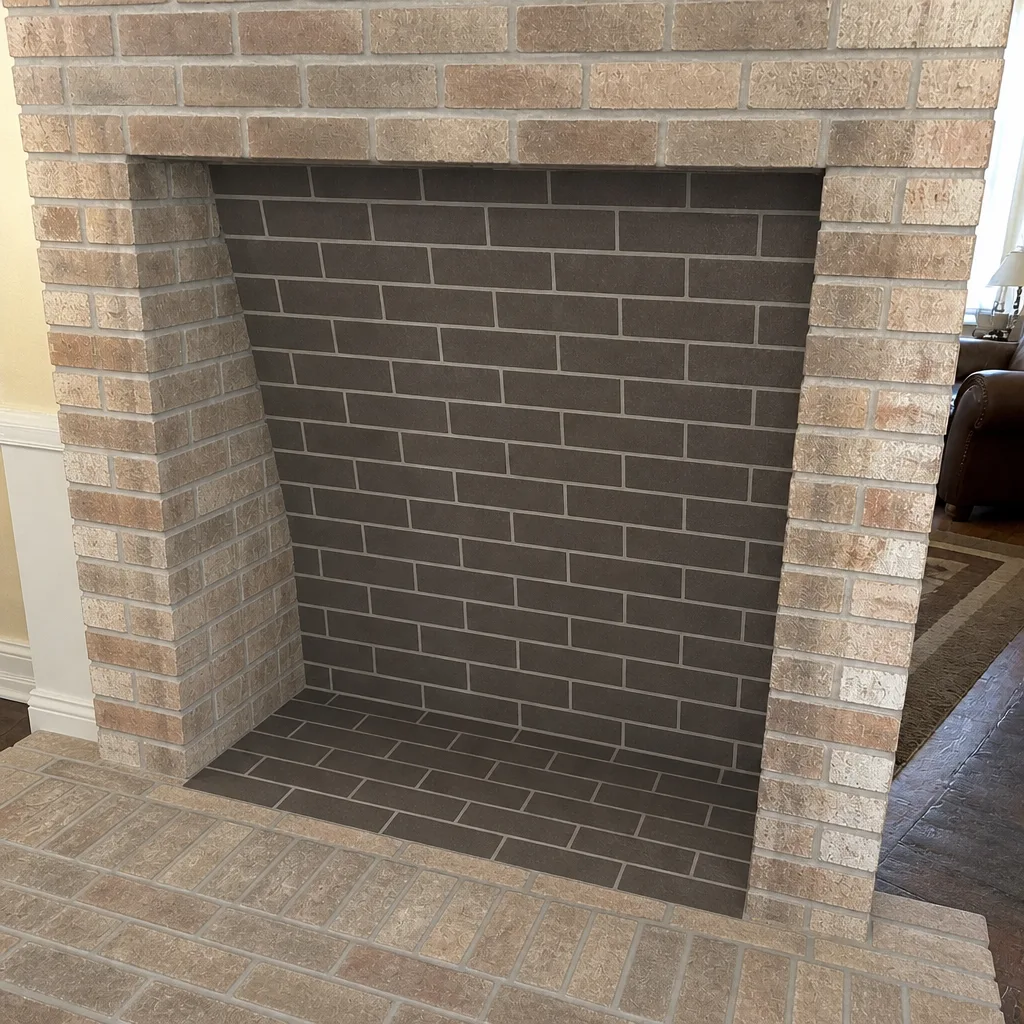 After
Frequently Asked Questions
Yes, if the flue has been professionally inspected and confirmed sound and you’re only removing light, powdery soot from a lightly used gas insert or low-burn wood fireplace. Brushing a wood-burning flue you haven’t had inspected is not a safe substitute for a professional cleaning. If you can’t confirm the liner condition, book an inspection first.
It assesses liner condition while cleaning. A technician runs a camera up the flue, checks the crown and cap from the roof, identifies the creosote stage, and photographs what they find so you can see it. The brush removes deposits; the technician’s tools remove uncertainty.
Annual cleaning is the right default for a household that heats with wood through a long season. Heavier cord counts and mixed fuel push that toward every season without skipping. Homes with a gas insert and light use can reasonably stretch to a professional inspection every other year with brushing in between.
Yes. Glazed stage-3 creosote is the deposit most closely tied to chimney fire risk because it can reignite and burn hot enough to damage the flue. It cannot be removed with a standard brush. A professional assessment is the only reliable way to identify it and decide how to address it.
A cracked liner can let combustion gases, carbon monoxide included, escape through the flue wall instead of venting out. It’s one of the reasons an annual inspection matters, and it’s why a professional cleaning session includes liner assessment as part of the job. Many cracks that aren’t full failures can be resurfaced with HeatShield without tearing out the existing liner.
Yes, with conditions: the flue must have been professionally inspected as sound and brushable, you use the correctly sized brush, and you stop if you see damage or notice a draft change. That’s the hybrid approach we recommend for Spanish Fork wood burners who want to keep costs under control without skipping the diagnostic step.
The Bottom Line
DIY chimney cleaning removes deposits. It does not assess the liner hiding beneath them. That’s the whole argument in one sentence. If your flue has been professionally inspected and it’s sound, and you’re lightly burning dry wood or running a gas insert, brushing between visits is reasonable and we’ll show you how to do it correctly. If you’re heating with wood in Spanish Fork through a long cold season, or you can’t confirm your liner condition, the brush is not the tool you need – a technician with a camera and a proper assessment is. The deposits are the symptom. The liner is the story. Call us when you’re ready to read it.
Call (877) 492-4380 for a free estimate. We answer 24/7. Fast dispatch from 7am to 7pm, Sunday through Friday. One call covers it: sweep, inspect, repair, and protect. For related work, see chimney sweep, fireplace repair, and chimney repair.
Written by the team at Chimney Sweep Spanish Fork.