
Last updated November 24, 2026
 Sweep & inspection
 Caps & crowns
 Flue relining
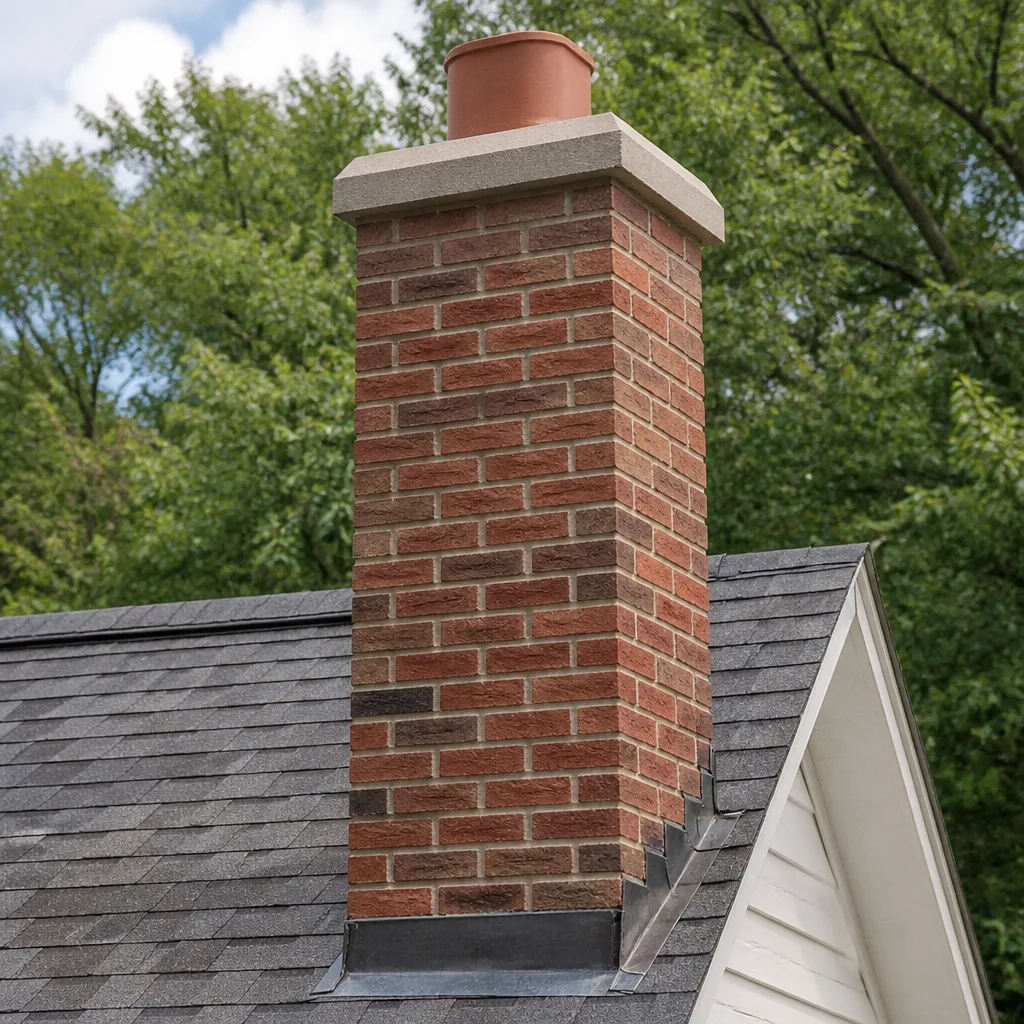 Masonry repair
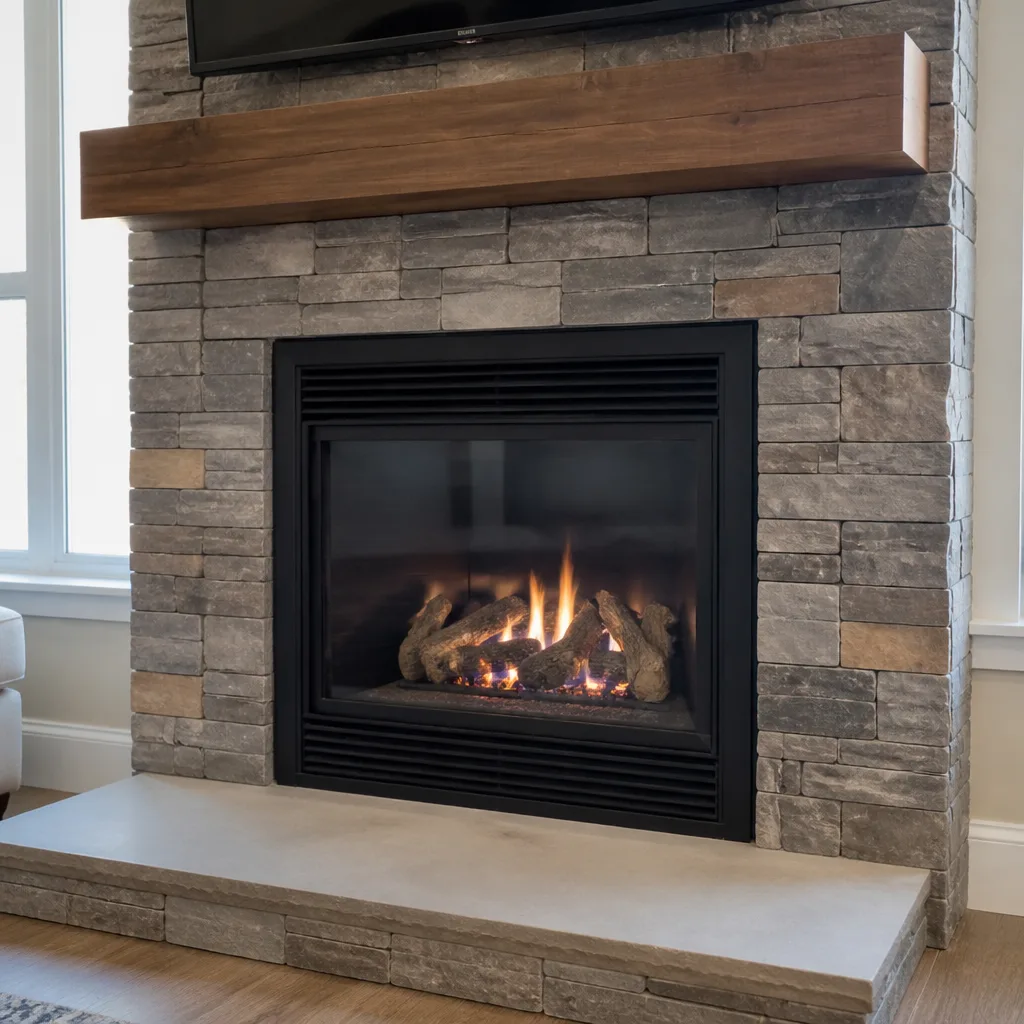 Gas fireplace service
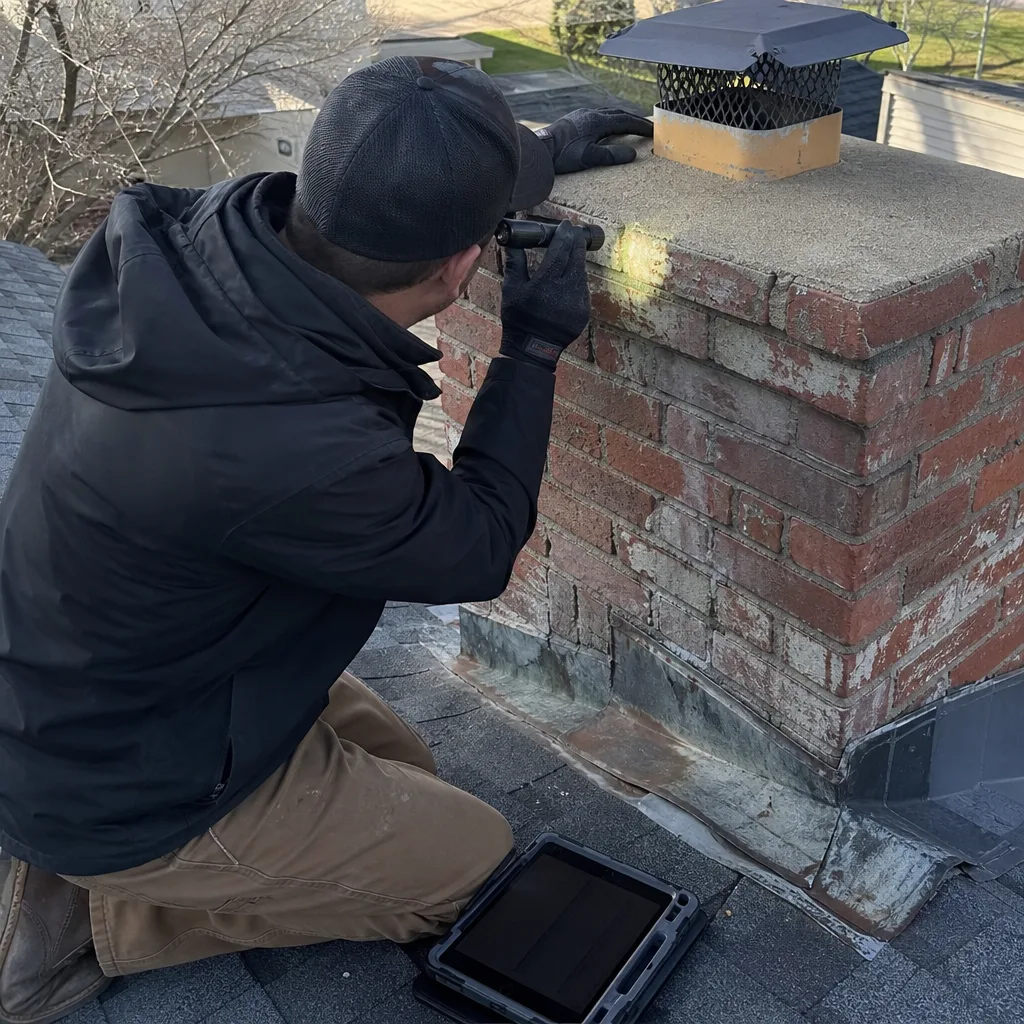
Level 1 sweep and inspection to the NFPA 211 annual standard - flue, crown, cap, and flashing checked and photographed
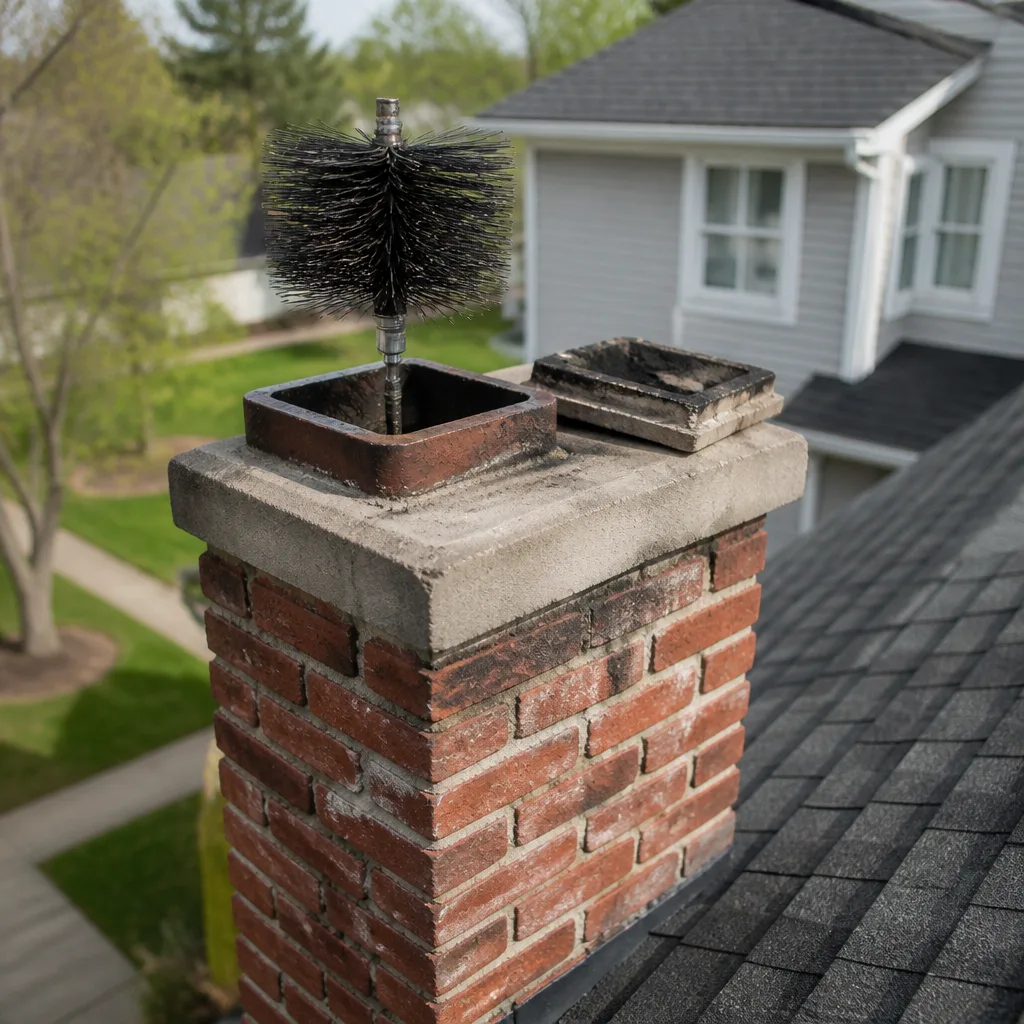
Chimney sweep logs do not sweep chimneys. They loosen some creosote - which then falls where a brush and vacuum still have to collect it.
How to Hire a Chimney Cleaning Contractor in Spanish Fork: A Step-by-Step Guide
A CSIA certification tells you a technician passed a written exam. It does not tell you whether that technician carries a stainless liner system in the van, whether they can resurface a cracked flue without tearing out your existing liner, or whether they subcontract the structural work to someone you’ve never met. And that gap matters in Spanish Fork, where a lot of homes have fireplaces and wood stoves that have been used hard through many winters, and where the difference between a cleaning-only sweep and a full-system contractor often determines whether a small defect gets fixed or quietly festers for another season. This guide walks you through the questions to ask, the licensing to verify, the scope of work to demand in writing, and the red flags that show up in pricing before anyone sets foot in your home.
Quick Answer
To hire a chimney cleaning contractor in Spanish Fork, verify Utah contractor licensing for any structural or liner work (cleaning-only calls are a different matter), ask specifically whether the contractor stocks and installs professional-grade liner materials like DuraFlex or HeatShield, demand a written scope of work before the visit, and treat a quote that lands far below the local market as a signal of skipped structural assessment rather than a bargain. The best protection is a contractor who covers sweeping, inspection, fireplace repair, chimney repair, and chimney cap and crown installation under one roof, so nothing gets handed off to a stranger after the diagnosis.
Styles & brands we work with
- Sweep & inspection
- Caps & crowns
- Flue relining
- Masonry repair
- Gas fireplace service
Table of Contents
- Why Certification Alone Doesn’t Answer the Hiring Question
- The Questions to Ask About Liner Capability Before You Book
- How to Verify Utah Licensing for Chimney Work
- What a Written Scope of Work Should Include
- Red Flags in Spanish Fork Pricing
- How to Compare Post-Inspection Reports Across Bids
- How Spanish Fork’s Climate and Housing Shape Chimney Needs
- A Step-by-Step Hiring Walkthrough
Why Certification Alone Doesn’t Answer the Hiring Question
Certification is a starting point, not a finish line. A technician who passed a written exam has demonstrated book knowledge of chimney systems, venting, and combustion. That’s useful. But the exam doesn’t require the contractor to own a flexible liner system, doesn’t require them to know how to apply a HeatShield resurfacing product, and doesn’t require them to install a chimney cap and crown on the same visit. Those are capability questions, and capability lives in the inventory and the training, not in a certificate.
In our experience around Spanish Fork, the most common hiring mistake is treating a sweep and a chimney contractor as the same thing. They overlap, but the overlap is narrow. A sweep cleans the flue and inspects. A full-system contractor cleans, inspects, and then repairs what the inspection finds, including relining, crown work, cap installation, and fireplace repair. When you hire a sweep who only cleans, the structural problems a real inspection would catch either get missed or get documented and then handed off to a different company you haven’t vetted.
Spanish Fork has a lot of older homes with masonry chimneys that were built to standards from decades past, plus newer construction where factory-built systems need their own specific liners. A contractor who only carries generic hardware-store supplies can clean both, but can only properly repair one, and often not the factory-built one at all.
The practical upshot: ask about materials and repair scope before you ask about price. If the answer is vague on liner systems, keep calling. Our Chimney Sweep Spanish Fork service covers the whole system for exactly that reason. One call covers sweep, inspect, repair, and protect.
The Questions to Ask About Liner Capability Before You Book
These questions separate a cleaning-only operation from a contractor who can actually finish the job. Ask them on the phone before you book, and listen for specifics, not generalities. A contractor who has the capability will answer quickly and name the materials. A contractor who doesn’t will hedge.
- Do you install flexible stainless liner systems, and which brands? You’re listening for names like DuraFlex, Olympia Chimney, or similar professional-tier products. A contractor who says “we can get whatever’s needed” without naming a product line is likely subbing the work out.
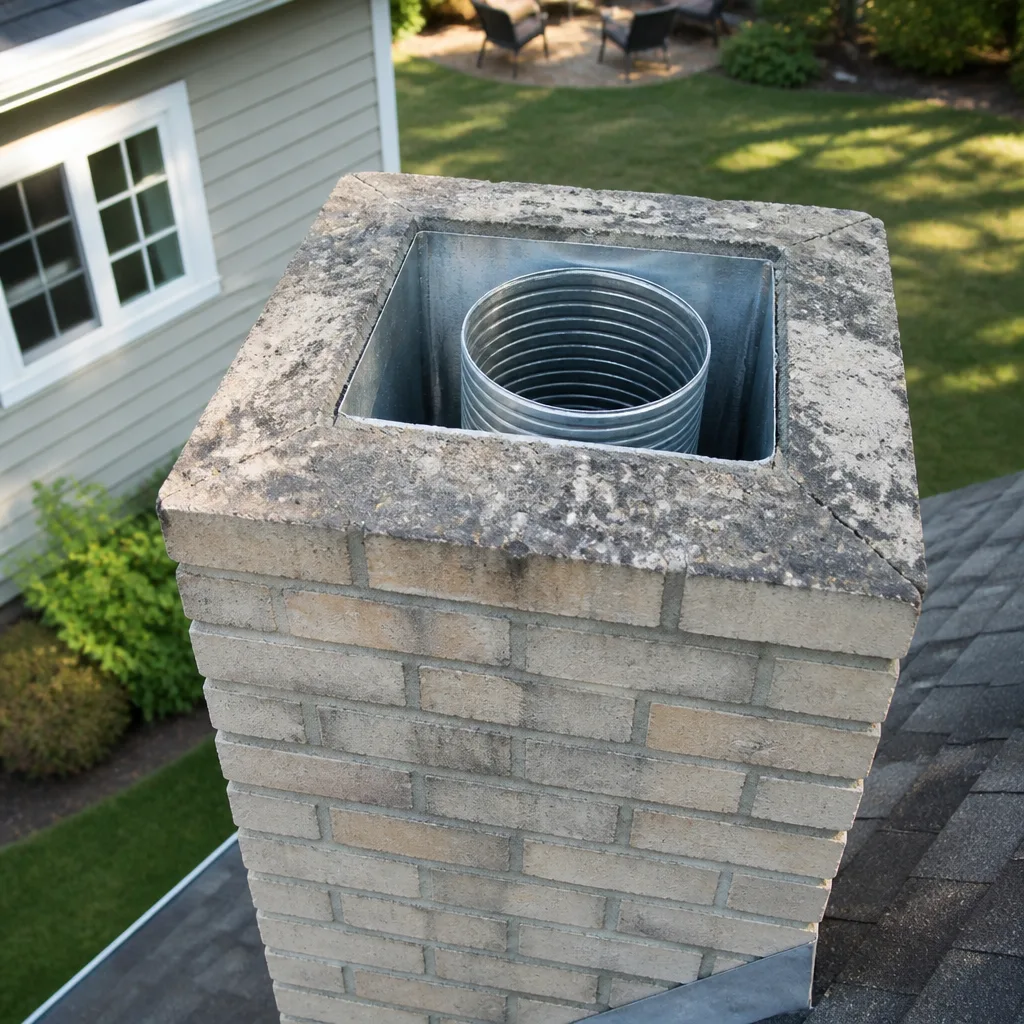
- Can you resurface a damaged flue without a full liner replacement? HeatShield is the product line that makes this possible. If the contractor has never heard of it, they’re limited to full replacement or nothing.
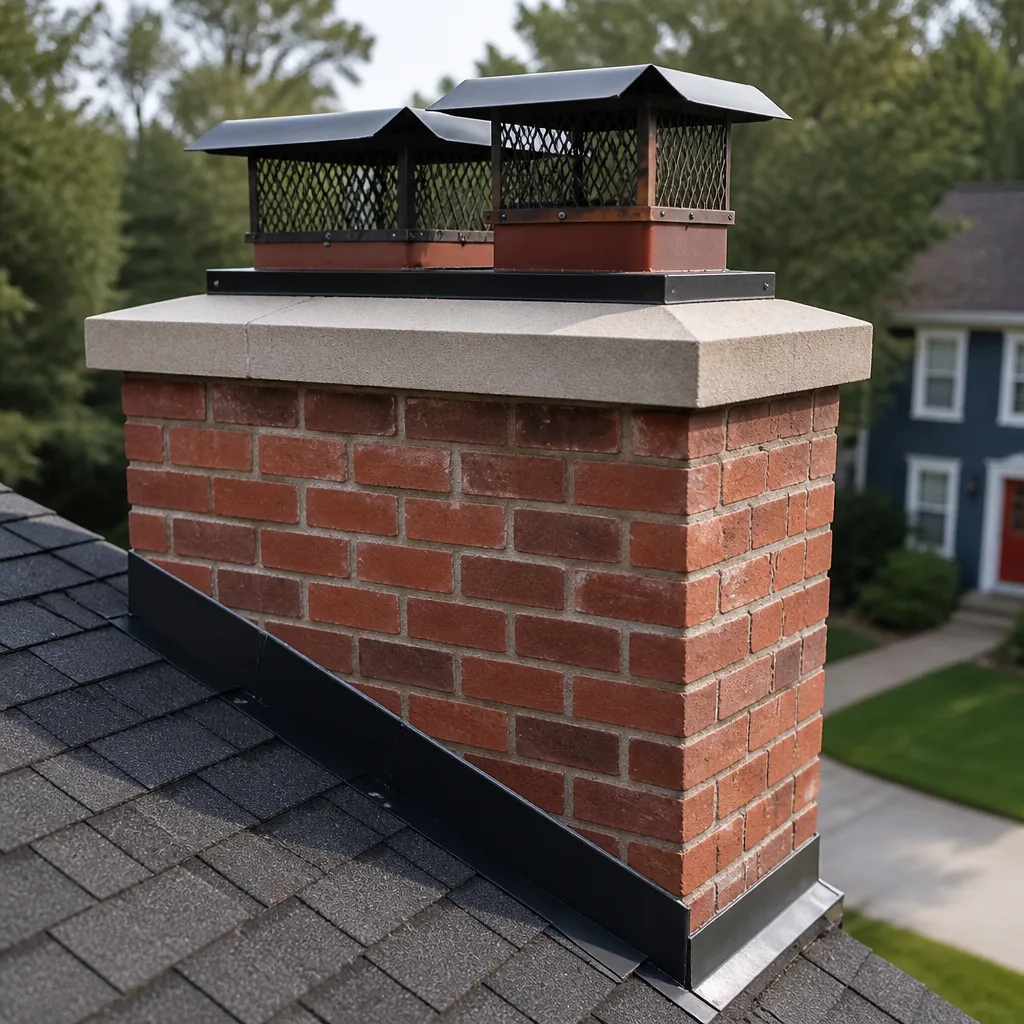
- Do you install chimney caps and crowns yourself, or do you refer that out? Cap and crown work is the most common water-intrusion fix, and if it’s referred out, you’ve got a gap between diagnosis and repair.
- What happens if the inspection finds a crack in the flue tile? The answer should describe the repair options and the materials, not just “we’d recommend a mason.”
- Who does the structural repair if it’s needed? If the answer is “a subcontractor,” ask who, and ask whether you’ll get to vet them. If not, that’s a handoff you don’t control.
- What does your written report include? A thorough report documents what was found, with photos or video if possible, and a clear recommendation. A cursory report says “cleaned, looks fine” and nothing more.
We use contractor-grade materials because the hardware-store alternatives don’t hold up the same way in a Utah winter. A Gelco or Famco cap is a different piece of hardware than the thin stamped version at a big-box store, and a proper stainless liner system is a decades decision, not a season decision. When we quote a chimney sweep, we’re also confirming whether the flue can be cleaned safely and whether the cap and crown are intact, because those two facts change the whole recommendation.
How to Verify Utah Licensing for Chimney Work
Here’s where a lot of homeowners get caught: cleaning-only service calls and structural repair work fall under different rules. A pure sweep and inspection visit is often treated as a maintenance service and may not require a contractor license. But relining, crown replacement, masonry repair, and fireplace structural work generally fall under Utah contractor licensing requirements, and you should verify the license before any of that work is scheduled.
To verify, ask the contractor for their license number and then check it against the Utah Division of Occupational and Professional Licensing database. The lookup is public. If the contractor can’t produce a number for the repair portion of the job, that’s a real problem, because the repair is where the risk is.
Also ask for proof of insurance and a written estimate that identifies the licensed entity doing the repair. In Spanish Fork, where a lot of homes are owner-occupied and a lot of repairs are mid-size, this paperwork matters because a failed repair means structural damage to the flue, and that’s not a handshake situation.
A few specifics worth confirming:
- The license covers the class of work being done, not just general contracting.
- The insurance is current and covers the work being performed.
- The written estimate names the same entity that holds the license.
- If a subcontractor is involved, you get their license number too, before work starts.
This isn’t bureaucracy for its own sake. It’s the difference between a repair you can stand behind and one you can’t. If you’re weighing a chimney repair after an inspection, verifying the license first is the single cheapest step in the whole process.
What a Written Scope of Work Should Include
Before any technician enters your home, you should have a written scope of work that tells you what’s being done, what’s being checked, and what’s excluded. A verbal “we’ll take a look and let you know” is how surprise charges happen. The written scope protects both sides.
A good scope of work includes:
- The address and the date of the scheduled visit.
- The specific services being performed: sweep, inspection, cap installation, crown repair, liner work, fireplace repair.
- The level of inspection being conducted, stated explicitly.
- What’s included in the flat price versus what would be quoted separately if found.
- The materials and brands that would be used if repair is needed.
- The conditions under which the price could change, and the requirement that any change be authorized by you before work proceeds.
- What documentation you’ll receive: photos, a written report, or both.
Notice what’s not on that list: a hard number for the repair. Repairs are quoted after inspection, not before, because the inspection is what reveals whether a repair is needed at all. Any contractor who quotes a repair price before looking at the flue is guessing, and you’re paying for the guess.
The scope should also tell you what happens if the technician finds something outside the quoted work. The right answer is: they stop, show you what they found, explain the options, and quote the fix in writing before touching anything. We tell you what we find and quote the fix before we touch anything. If a contractor can’t commit to that in writing, that’s a structural gap in how they operate that no amount of verbal reassurance fixes.
For fireplace work specifically, the scope should separate the firebox inspection from the flue inspection, since fireplace repair and flue repair are different scopes with different materials and different licensing questions. A scope that bundles them without saying so is a scope you can’t compare against another bid.
Red Flags in Spanish Fork Pricing
A quote significantly below the local market is the clearest signal that structural assessment has been deferred, not included. This is the single most important pricing insight in this guide. Chimney work has real labor and real material costs, and the only way to come in far under is to skip the parts of the job that carry the cost. That usually means a cursory look, no meaningful report, and a repair recommendation that arrives later, or never.
What to watch for in pricing:
- A flat price that’s much lower than other bids and no explanation of what’s excluded. Ask what’s not included. The answer will usually be “the inspection” or “the report.”
- A quote that includes repair work before any inspection has happened. That’s a guess dressed up as a price.
- No written scope, only a verbal number. You have nothing to compare later.
- Pressure to decide before the inspection report is in your hands. A legitimate contractor gives you the report and lets you think.
- Repair pricing that varies wildly between bids without a corresponding difference in scope or materials. That’s usually one bid including the liner and one bid not.
A low price isn’t automatically wrong, but it needs to be explained. If a contractor can tell you exactly what’s excluded and why the number is lower, that’s honest. If they can’t, the difference is missing work. In our experience, the low bid in Spanish Fork is usually the one that skips the camera inspection and the written report, which are the exact two things you need to make a real decision.
The written estimate always sets the final price. Any quote is an estimate until the inspection confirms what’s actually there, and any contractor who can’t say that out loud is one who’ll surprise you later. Compare bids on scope and materials, not on the bottom line alone.
How to Compare Post-Inspection Reports Across Bids
The inspection report is where bids actually become comparable. Two contractors can quote the same dollar amount and be doing entirely different work, and the report is what tells you which is which. A thorough report documents conditions. A cursory report documents a visit.
Here’s what a thorough report should tell you:
- What was visually inspected and where.
- Whether a camera or video inspection was performed and what it showed.
- The condition of the flue tiles, including any cracks, gaps, or deterioration.
- The condition of the crown and cap, including any water intrusion evidence.
- The condition of the firebox and damper, if applicable.
- The condition of any liner system present, with a specific statement of whether it’s serviceable.
- A clear recommendation for each finding, in writing, with the material or method named.
- A statement of what can safely wait and what shouldn’t.
Point eight is the one most reports skip. A good report tells you which items are urgent and which can be scheduled later. Any contractor who recommends immediate repair on every line item has given you a sales document, not an inspection report.
When you compare bids, line up the reports side by side and check that each recommendation appears in each report. If one contractor recommends a liner replacement and another recommends a HeatShield resurfacing on the same flue, ask both to explain the difference. The answer will tell you which one is diagnosing and which one is selling. HeatShield lets us restore a damaged flue without tearing out your existing liner, and a report that doesn’t mention resurfacing as an option is a report that’s missing a real alternative.
How Spanish Fork’s Climate and Housing Shape Chimney Needs
Spanish Fork sits in Utah Valley, which means cold winters, freeze-thaw cycles, and a shoulder season where wood burning picks up fast. That climate has a specific effect on masonry chimneys: water gets into the crown and the mortar, freezes, expands, and cracks the masonry from the inside. The crown and the cap are the two details that prevent most of this, and they’re the two details most cleaning-only sweeps leave unquoted.
Local housing stock adds another layer. A lot of Spanish Fork homes have older masonry fireplaces that were built before modern liner standards, and a lot of newer homes have factory-built systems that require a specific liner type. A contractor who only carries rigid liner systems will hit a wall on the irregular flues in the older homes, which is where DuraFlex flexible liner systems come in. They install where rigid systems can’t, and that capability matters more here than it would in a city with uniform new construction.
Then there’s the seasonal timing. Wood burning in Spanish Fork concentrates in the cold months, and chimney fires happen most often in the early part of the season when creosote has built up over the previous winter. A sweep before the heating season is the practical standard, and a contractor who tells you it can wait until spring is telling you to carry the creosote risk through the whole season. We treat a pre-season sweep as the baseline, not the upsell.
The other local factor is what’s above the roofline. A chimney cap isn’t an upsell, it’s the reason repairs last. Without a cap, water and debris get in year-round, and the crown work you paid for gets undone within a couple of seasons. In a valley where freeze-thaw is part of every winter, that’s not a small detail. Our chimney repair scope includes cap and crown work for exactly that reason: fixing the flue and leaving the top open is a repair with a built-in expiration date.
A Step-by-Step Hiring Walkthrough
Here’s the whole process in order, from first phone call to final report. This is the sequence to follow if you want the fewest surprises and the most leverage at the end.
- Ask the capability questions first. Liner brands, resurfacing capability, cap and crown installation, and who does structural repair. Get specific answers before you discuss price.
- Verify licensing for the repair scope. Cleaning-only is one thing; structural work is another. Check the license against the Utah database before scheduling.
- Get a written scope of work. Confirm what’s included, what’s excluded, what documentation you’ll receive, and how price changes get authorized.
- Book the inspection and sweep. The inspection comes first, the sweep follows, and the report comes after both.
- Read the report before you discuss repair. Compare the findings against the scope. Note what’s flagged urgent and what can wait.
- Get repair quotes in writing. Each quote should name the material or method, the licensed entity, and the price. Compare across bids using the report as the anchor.
- Confirm cap and crown status before you close the job. If the top of the chimney isn’t protected, the rest of the repair is provisional.
Our technicians have up to 9 years of experience with this exact process, and we’ve seen what happens when step one gets skipped. The homeowner books on price, the sweep cleans, the report is thin, and the structural issue surfaces the next season or the one after that. The full sequence takes a little longer up front and saves a lot of trouble later.
Common Mistakes to Avoid
- Hiring on price before asking about material capability. A cheap sweep who can’t install a liner leaves the flue problem untouched, and you’ll pay twice. Ask about liner brands and resurfacing first.
- Assuming certification covers everything. A technician who passed an exam may still not carry professional-grade materials or do structural repair. Certification is one input, not the whole decision.
- Skipping the Utah license check for repair work. Cleaning-only and structural repair are different scopes. The repair is where the license matters, and it’s the easiest thing to verify.
- Accepting a verbal scope. Without a written scope, you have no way to compare bids or hold anyone to anything. Insist on it before the technician arrives.
- Treating the low bid as the best bid. In Spanish Fork, the low bid is usually the one that skips the camera inspection and the written report. The savings is deferred work, not a discount.
- Comparing bids by bottom line instead of by report. Two quotes for the same dollar figure can describe completely different work. Line up the reports and compare findings, not totals.
- Leaving the cap and crown out of the repair. A repair under an open chimney top fails on a schedule. If the top isn’t addressed, ask why not.
See the difference
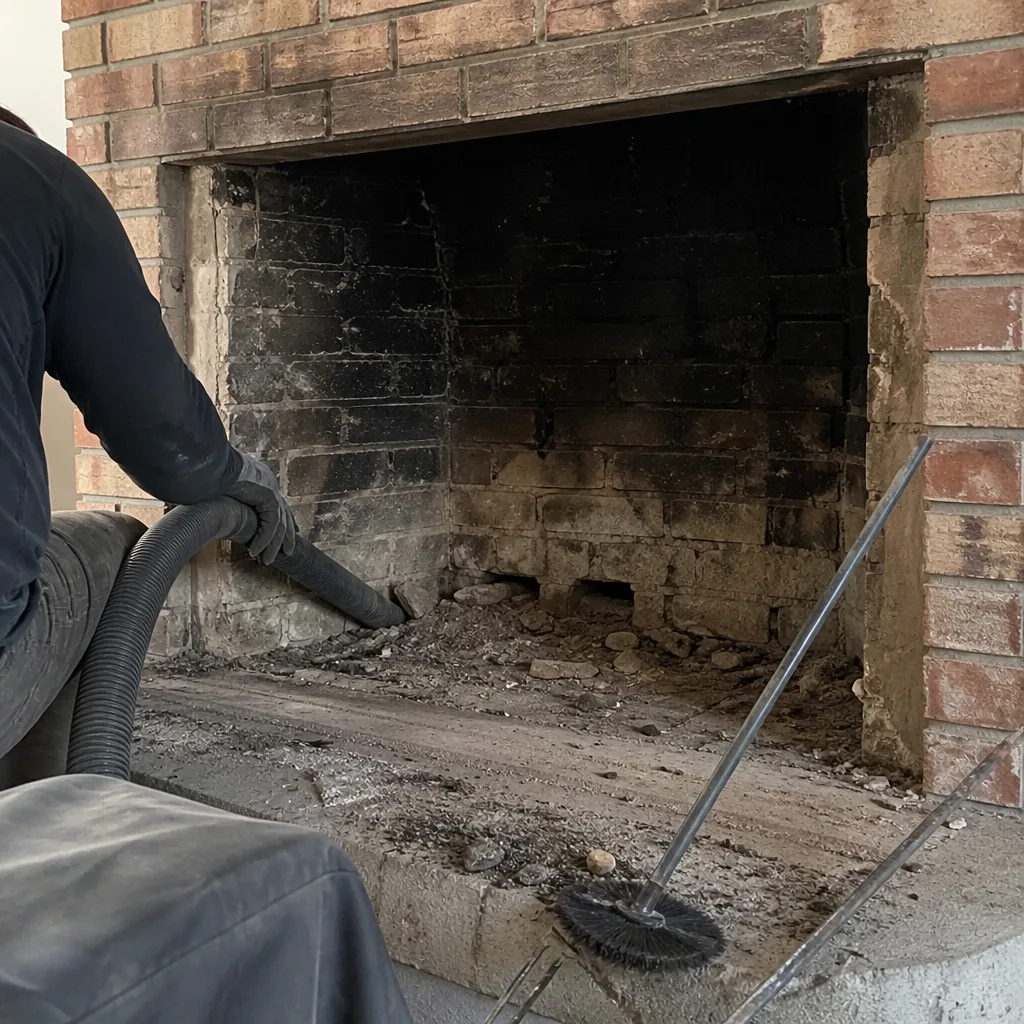 Before
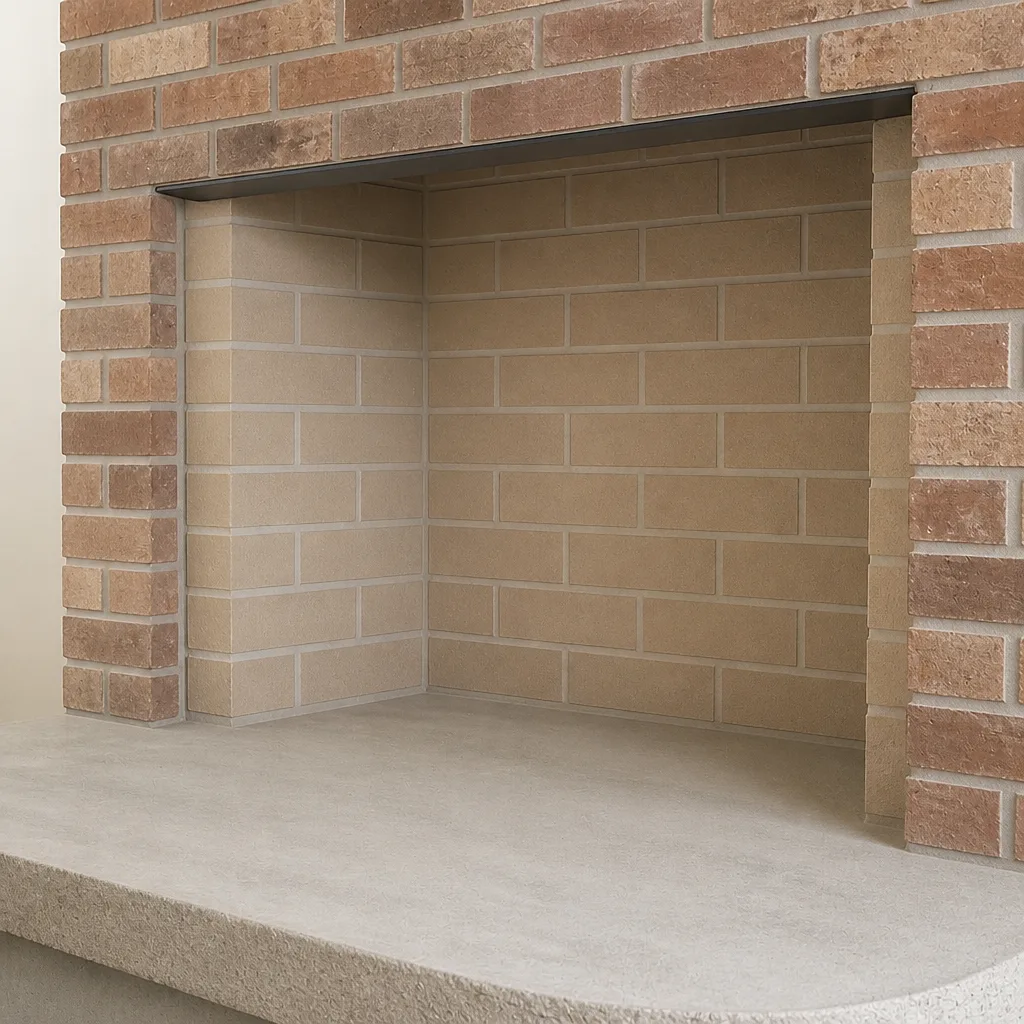 After
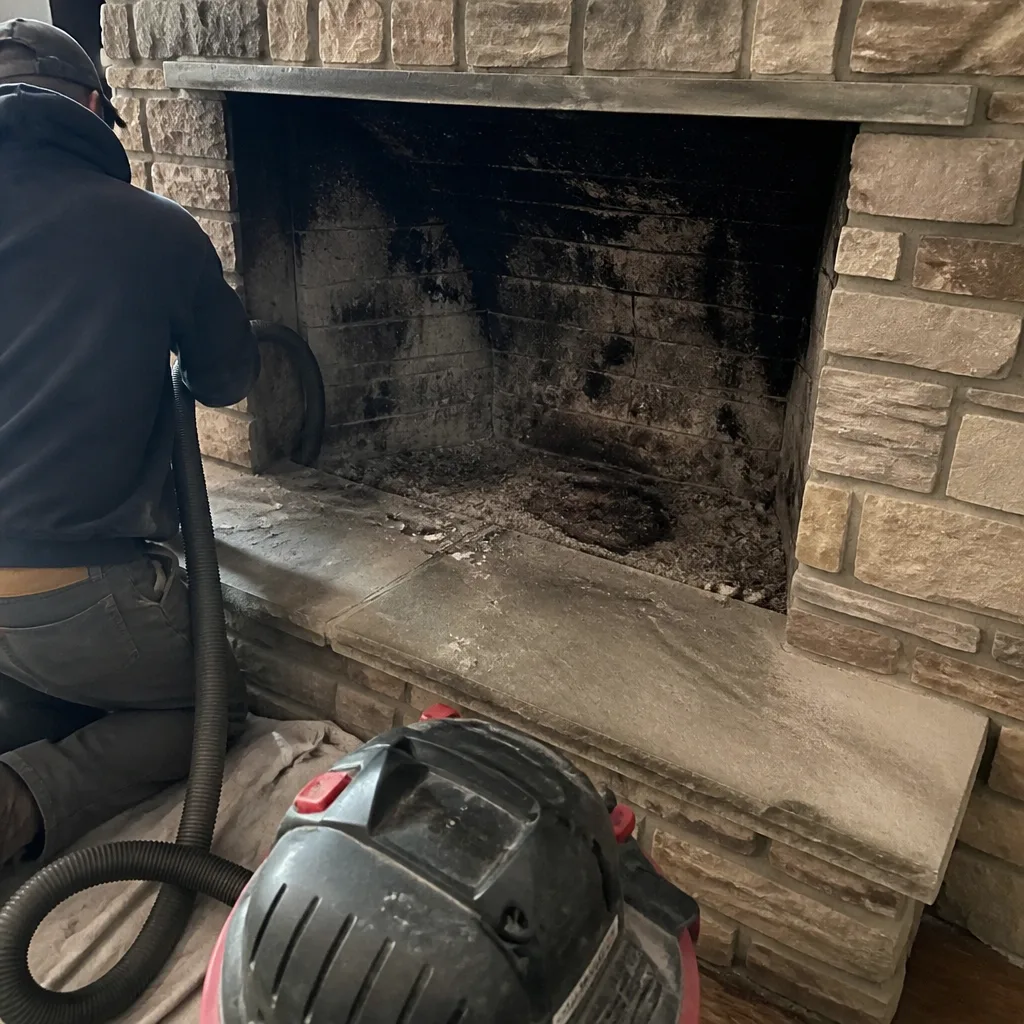 Before
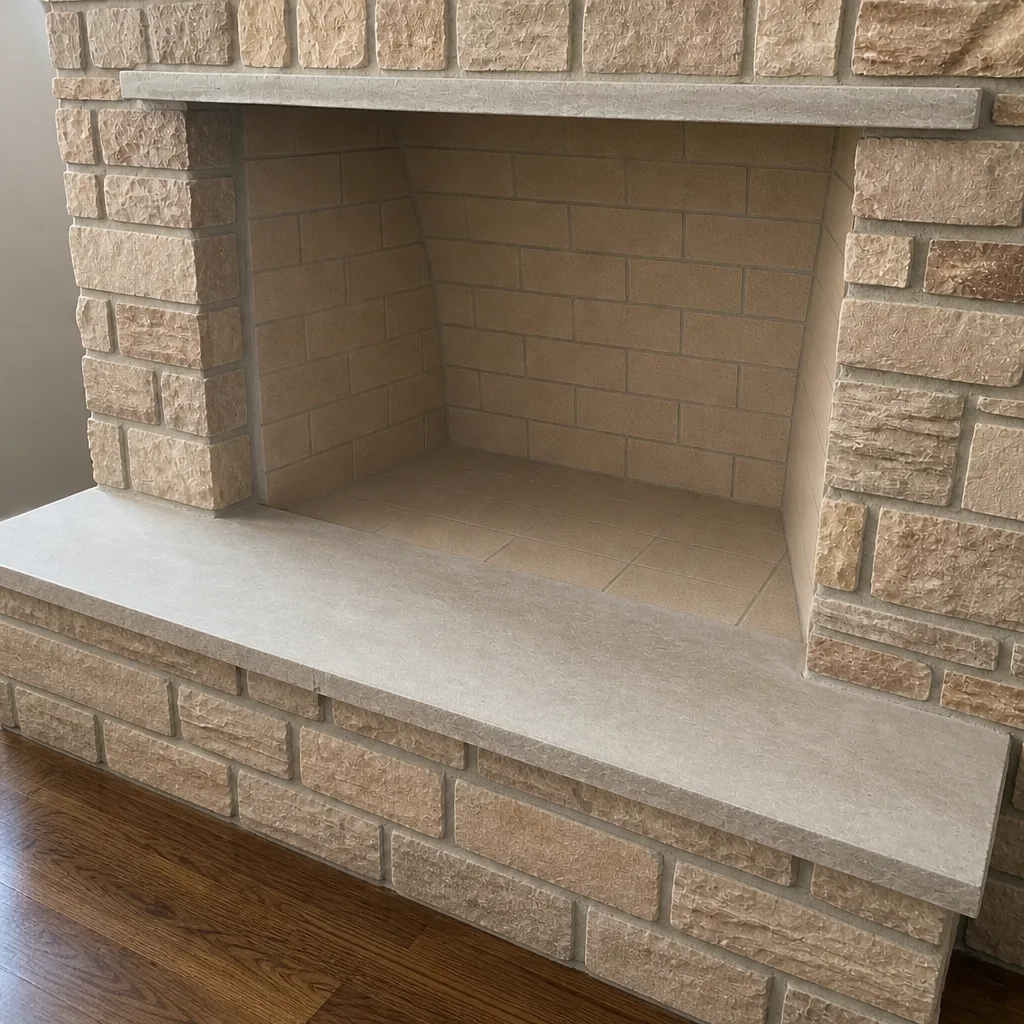 After
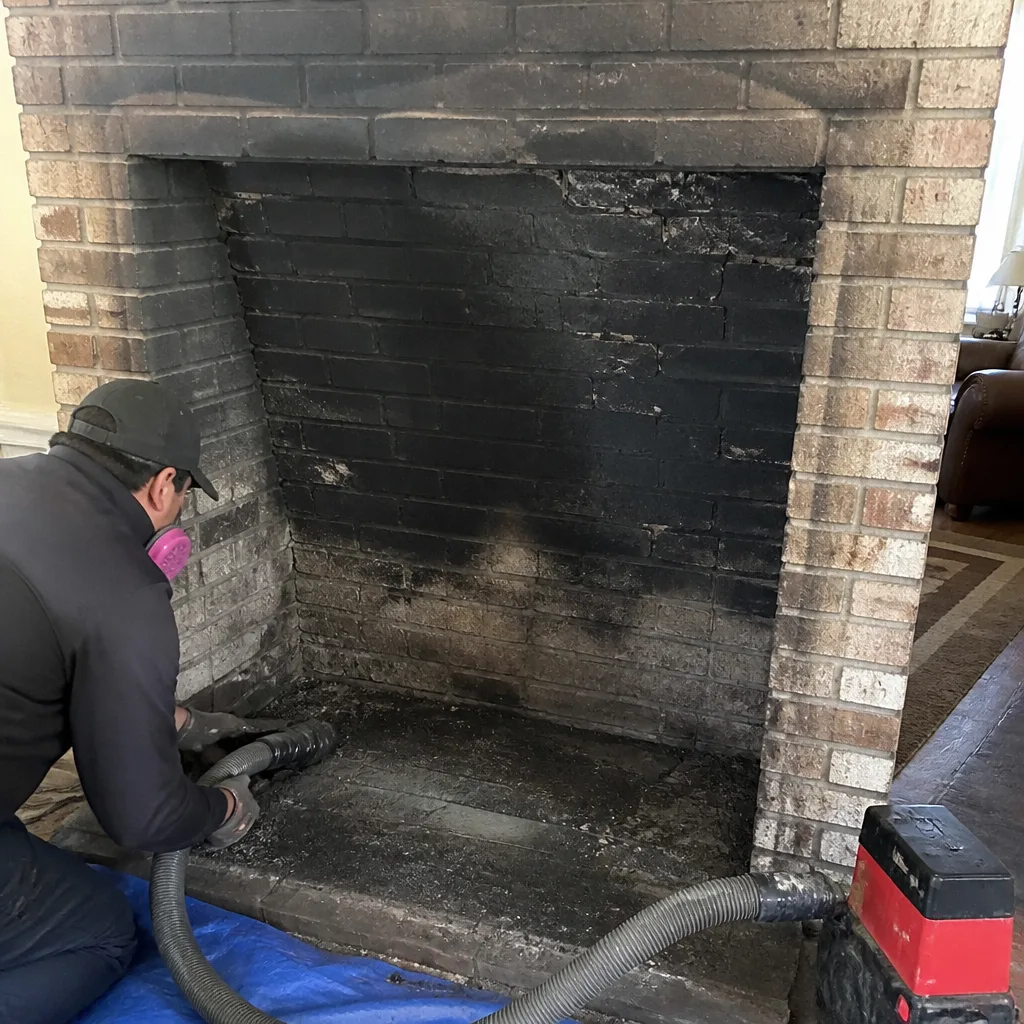 Before
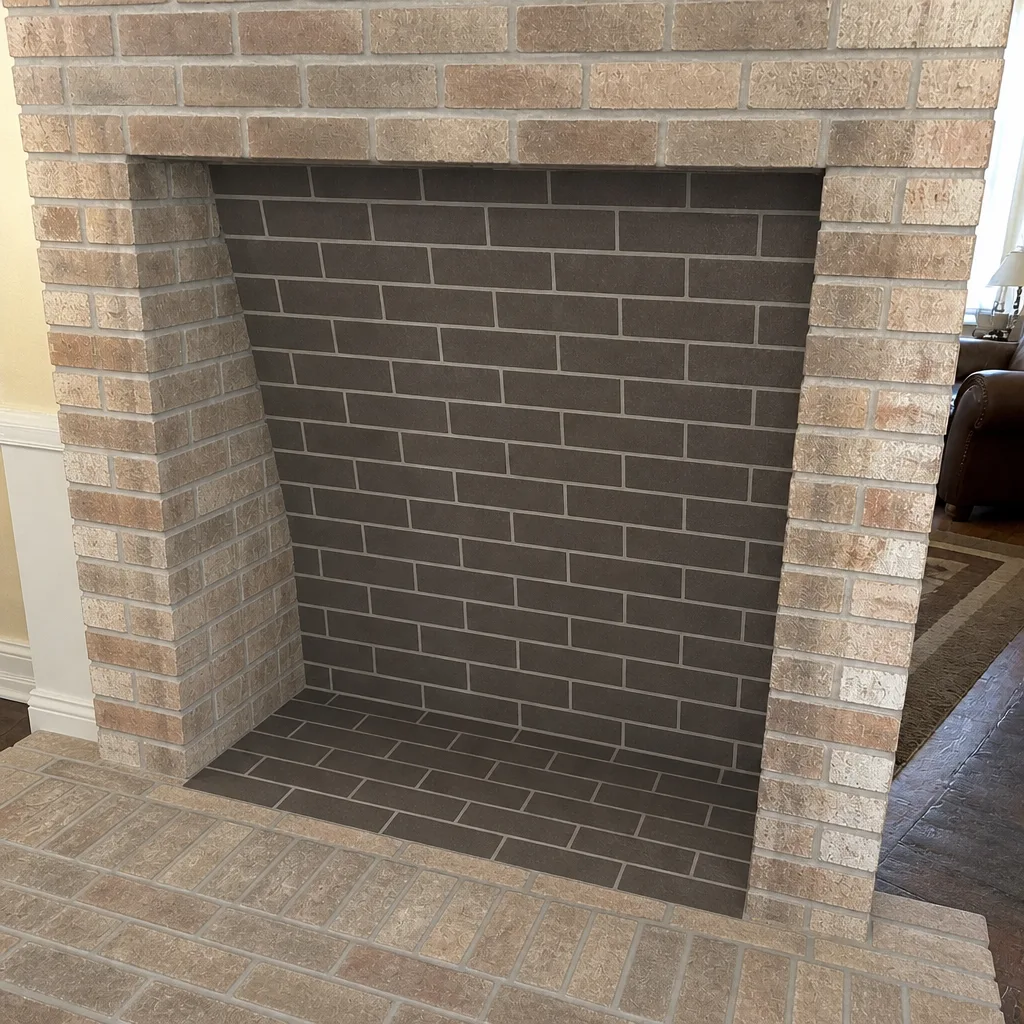 After
When to Call a Professional
Call a professional if it’s been more than a year since your last sweep, if you’ve noticed smoke backing into the room or a stronger smell from the fireplace than usual, if you see cracked or missing mortar around the crown, or if the flue hasn’t been inspected since you bought the home. Call before the heating season rather than during it, because creosote buildup through the winter is where chimney fire risk concentrates. Call if you’ve had a chimney fire, even a small one, and call if you’re seeing water stains on the ceiling near the chimney or rust on the firebox components, both of which point to a cap or crown problem. Chimney Sweep Spanish Fork offers free estimates in Spanish Fork: call (877) 492-4380. We answer 24/7. Fast dispatch from 7am to 7pm, Sunday through Friday.
Frequently Asked Questions
A standard chimney sweep in Spanish Fork is typically priced per job by a written estimate, and the estimate is free. The exact figure depends on the flue configuration, access, and whether an inspection is bundled with the cleaning. Call (877) 492-4380 for an exact quote. Estimates are free, and the written estimate sets the final price.
You need a new liner if the inspection shows the existing flue can’t safely contain the combustion gases, and you don’t if it can. The question is how you know. A proper inspection documents the flue condition with evidence you can see, and a contractor who recommends a liner without that evidence is selling, not diagnosing. If resurfacing with HeatShield is an option, a good contractor will tell you, because it restores the flue without removing the existing liner. Call (877) 492-4380 and ask for the report before the recommendation.
Once a year is the standard for a chimney in regular use, and more often if you burn heavily or burn green wood. In Spanish Fork, the practical timing is before the heating season rather than after, because that’s when creosote buildup from the previous winter is at its highest. Call (877) 492-4380 to book a pre-season sweep.
Creosote builds up on the flue walls, and at a certain thickness it can ignite, which is a chimney fire. The other risk is carbon monoxide, which can enter the home if the flue is blocked or damaged and the combustion gases have nowhere safe to go. Neither outcome is guaranteed, and neither is rare enough to ignore. A sweep catches both conditions before they become a problem. Call (877) 492-4380 for a free estimate.
Yes, when the work is scoped that way and the materials are on hand. Cap and crown installation is part of our service scope, not a referral, which is why the diagnosis and the fix don’t get separated by a handoff. Ask for it in the written scope before booking. Call (877) 492-4380.
Ask for the license number and check it against the Utah Division of Occupational and Professional Licensing database before the work is scheduled. Cleaning-only service calls and structural repairs fall under different requirements, so verify the license for the repair scope specifically. If the contractor can’t provide a number for the repair, don’t book the repair. Call (877) 492-4380 to discuss what your job requires.
The Bottom Line
Hiring a chimney contractor in Spanish Fork comes down to verifying capability, not just credentials. Certification tells you a technician passed an exam. It doesn’t tell you they carry a flexible liner system, can resurface a flue with HeatShield, or install a cap and crown without handing the job to someone you haven’t met. Ask the capability questions first, verify the Utah license for any structural work, demand a written scope before the visit, and treat a below-market quote as a signal of deferred structural assessment. Then compare bids by the report, not the total. A contractor who diagnoses with evidence and quotes the fix in writing is the one worth booking, and the rest is just price.
If you’d rather skip the phone-tag and get a straight answer on what your chimney needs, call Chimney Sweep Spanish Fork at (877) 492-4380 for a free estimate. We answer 24/7. Fast dispatch from 7am to 7pm, Sunday through Friday. We tell you what we find and quote the fix before we touch anything.
Written by the team at Chimney Sweep Spanish Fork.