
Last updated November 24, 2026
 Sweep & inspection
 Caps & crowns
 Flue relining
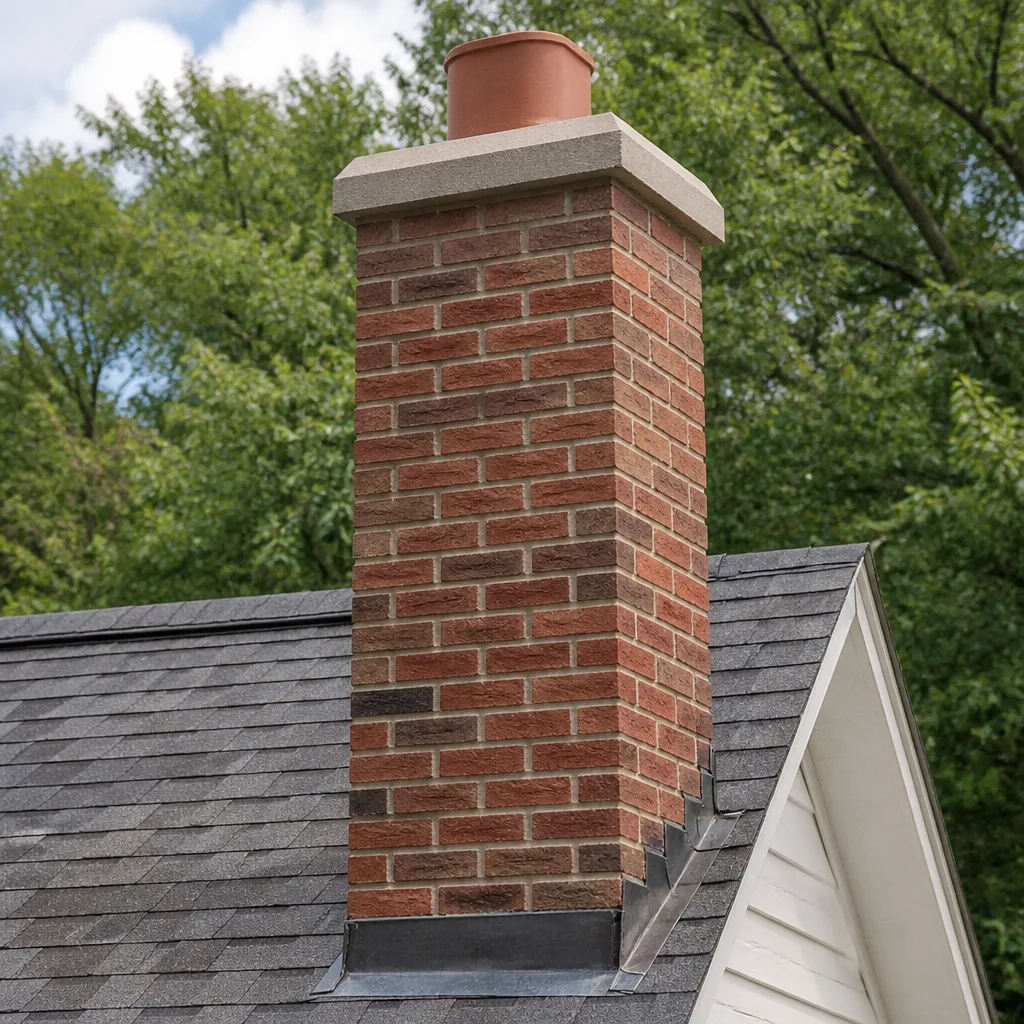 Masonry repair
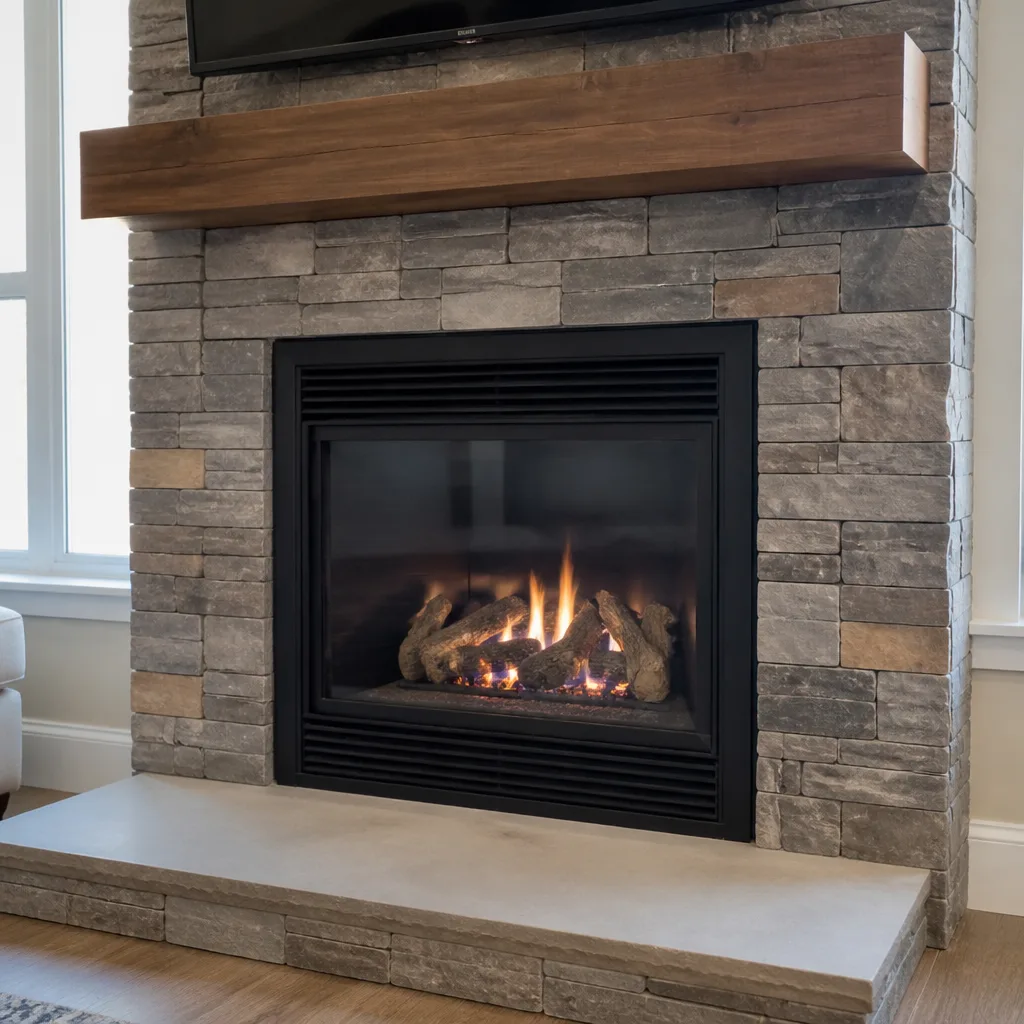 Gas fireplace service
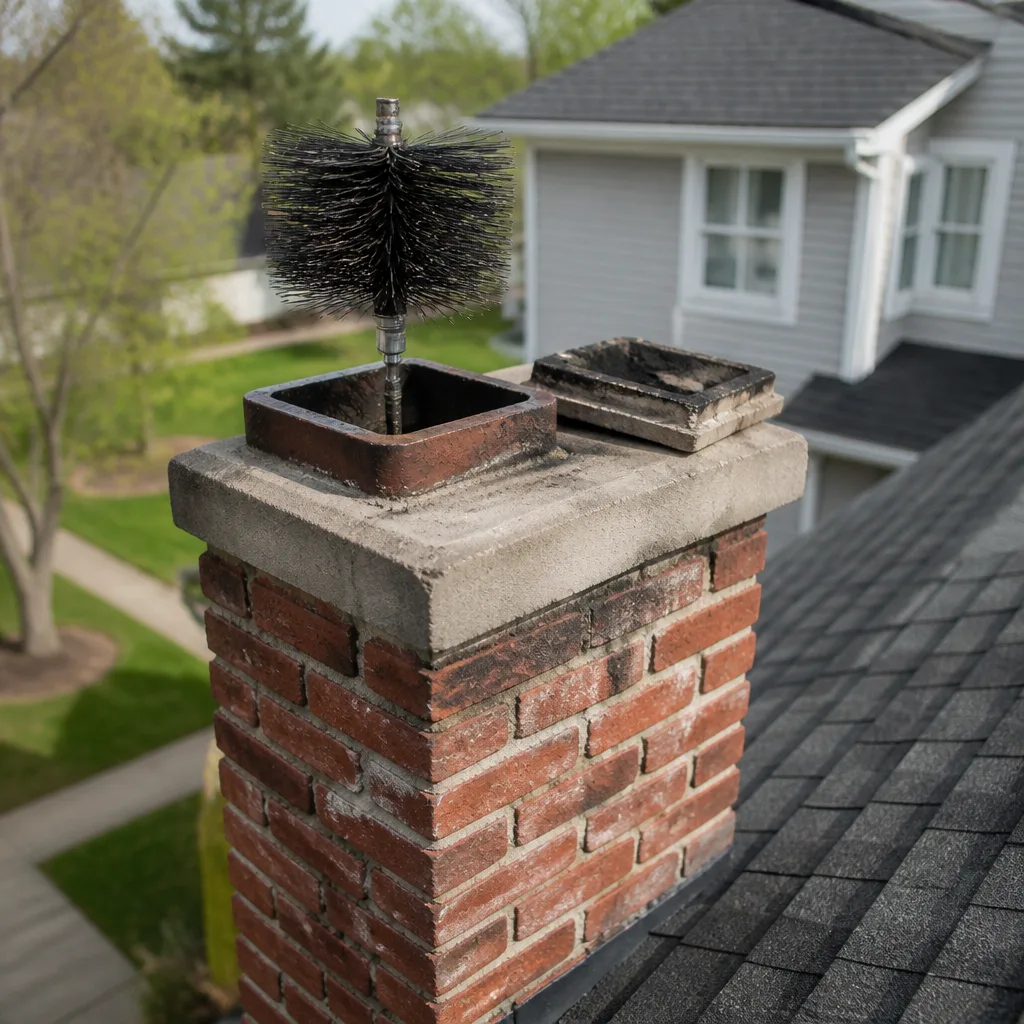
Level 1 sweep and inspection to the NFPA 211 annual standard - flue, crown, cap, and flashing checked and photographed
Chimney sweep logs do not sweep chimneys. They loosen some creosote - which then falls where a brush and vacuum still have to collect it.
Seasonal Chimney Cleaning Care for Spanish Fork: Year-Round Homeowner’s Guide
Most Spanish Fork homeowners call for a sweep in late September. It feels like the right move, since the first cold snap is close and the fireplace is about to earn its keep again. But that timing has a hidden cost. You’re cleaning a chimney right before its heaviest use period, with no buffer to address what the inspection actually finds. A cracked crown or a deteriorating flue discovered on the eve of burning season means either a rushed repair or a fire you don’t light. This guide breaks chimney care into four seasons, so you’re preventing this season’s problem instead of solving last season’s.
Quick Answer
Seasonal chimney care in Spanish Fork means inspecting in spring, checking and repairing in late summer, sweeping before the first burn, and doing a simple interior check in deep winter. Each of the four seasons creates a different risk: freeze-thaw damage in winter, monsoon moisture in summer, animal intrusion in spring, and heavy creosote buildup in fall. Spreading those tasks across the year keeps your chimney safer and gets you faster scheduling than the September rush.
Styles & brands we work with
- Sweep & inspection
- Caps & crowns
- Flue relining
- Masonry repair
- Gas fireplace service
Table of Contents
- Why Chimney Care Is a Seasonal Discipline in Spanish Fork
- What an August Chimney Check Should Cover
- The April Inspection: Catching Moisture Before It Spreads
- Monsoon Moisture and Clay Tile Liners
- Your Winter Interim Check
- How to Stagger Appointments Across the Year
- Caps, Crowns, and Year-Round Water Protection
- The Five Stages of a Complete Chimney System
Why Chimney Care Is a Seasonal Discipline in Spanish Fork
A chimney is not a static object. It’s a structure that responds to temperature swings, moisture, and the chemistry of what burns inside it. Spanish Fork sits in a mountain valley where all four seasons land distinctly. Summer afternoons bring monsoon moisture. Winter nights drop well below freezing after mild days. Spring introduces wind, pollen, and wildlife looking for a warm cavity to nest in. Fall brings the heavy burn season and the creosote that comes with it.
Each of those conditions stresses a different part of the chimney system. Treating chimney care as a single annual event means you’re always looking backward. You see the damage that already happened and respond to it, rather than heading off what’s coming next.
Here’s what breaks down when, roughly:
- Winter: Freeze-thaw cycles work on mortar joints and the crown. Snowmelt seeps into hairline cracks and refreezes, widening them.
- Spring: Birds, squirrels, and raccoons investigate open flues. Debris collects. Wind-driven rain finds any flaw in the cap.
- Summer: Monsoon moisture penetrates clay tile liners, and by September that trapped water has had months to spall the tile or rust a steel liner.
- Fall: Heavy use deposits creosote, and an unaddressed flue issue becomes a serious safety concern.
The point isn’t that every task happens every year. It’s that each task has an ideal season, and the calendar you follow matters as much as the work itself. If you want a full-service baseline for the coming burn season, that’s exactly what a chimney sweep handles. But it’s only one piece of a year-round rhythm.
What an August Chimney Check Should Cover
August is the quietest month in Spanish Fork’s chimney calendar. The fireplaces are cold, the summer monsoon patterns are settling down, and homeowners are still weeks away from thinking about fires. That quiet makes it the best window for a top-down check that catches three things ready to go wrong by September.
Animal screening. By late summer, birds and small mammals have had months to test every gap in your chimney assembly. A missing or loose spark arrestor is an open door. New screening keeps nesting material out, and nesting material is a fire hazard that sits right at the top of the flue.
Cap integrity. A chimney cap takes the brunt of monsoon rain, wind-borne debris, and summer sun. August is when you can inspect the cap and the crown on a dry day, catch a loosened seam or a rusted screen, and get it fixed before fall rain starts working its way into the flue.
Draft testing. A quick draft check on a warm afternoon shows whether the chimney is pulling air as it should. Poor draft can signal a blockage, a collapsing flue, or a pressure problem in the home. None of those are things you want to discover after you’ve laid a fire.
We use Olympia Chimney caps and Famco accessories in our hardware work. They’re made for the outdoor duty that a cap actually sees, not the lightweight hardware-store version that starts rattling after one winter. If you call Kimball’s Chimney & Venting for this check, they should be seeing the cap, the crown, and the screened top in one visit, not just the firebox.
An August check costs you almost nothing in downtime and buys you weeks of buffer before any of those issues can become urgent. That’s the whole logic of the season.
The April Inspection: Catching Moisture Before It Spreads
April is the quietest month from the fire’s point of view, and the month with the highest information value for you. In our experience, a mid-spring inspection finds moisture intrusion and freeze-thaw damage when it’s still repairable in place, rather than after it has four months to worsen inside the flue.
Here’s what we look at specifically in April:
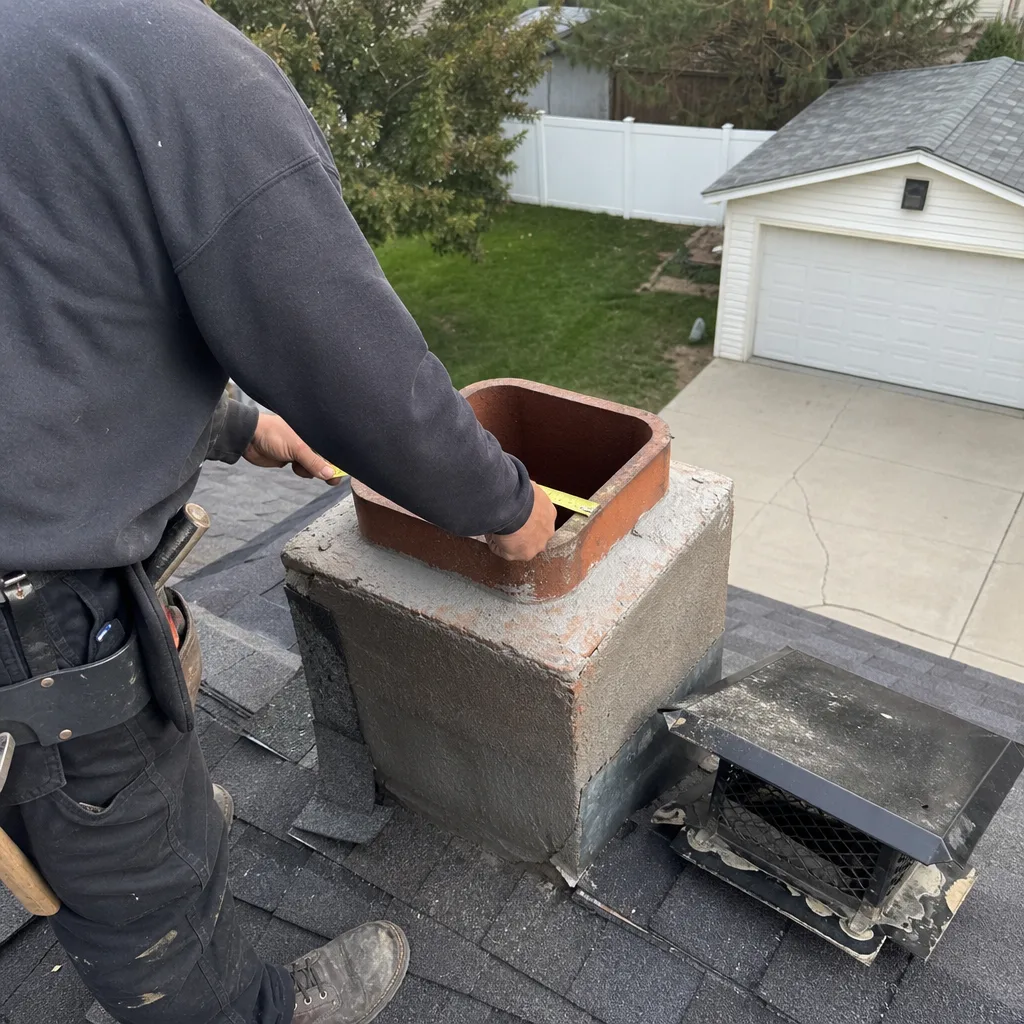
- Crown cracks. The concrete crown at the top of the chimney cracks over winter. In April the cracks are visible and dry, which means they can be sealed properly before the first summer rain.
- Mortar joints. Freeze-thaw cycles widen gaps between bricks. Left alone, those joints are the pathway for water to enter the flue structure itself.
- Flue liner condition. A camera inspection shows whether last winter’s condensation did anything to the liner, whether that liner is clay tile or steel.
- Firebox and damper. Winter heat and cold cycling can warp a damper or open a joint at the firebox. A fireplace that’s pulling poorly in spring usually tells you something you need to know before fall.
The April advantage is entirely about time. A cracked crown repaired in April is a settled job by August. A cracked crown discovered in October is a race against the first rain and the first fire. If the inspection turns up structural wear, that’s when chimney repair becomes the honest recommendation, and you’ll have the whole summer to get it done on your schedule.
The same logic applies to the firebox itself. We’ve seen minor fireplace repair needs turn into larger jobs simply because they were found on the way into winter instead of on the way out. Spring inspection means the fix happens when you’re not counting on the fireplace.
Monsoon Moisture and Clay Tile Liners
Spanish Fork’s summer monsoon pattern is the reason a July or August inspection is not the same as an April one. The storms push moisture at the chimney from above, and what that moisture does depends entirely on what your flue is lined with.
Clay tile liners absorb water. Tile is porous, and a summer of monsoon rain can leave the flue saturated. When autumn returns, the heating season drives that moisture out of the tile as vapor, and the expansion-and-contraction cycle cracks the tile. Freeze-thaw then opens those cracks further. A tile liner that looked fine in April can look very different in October.
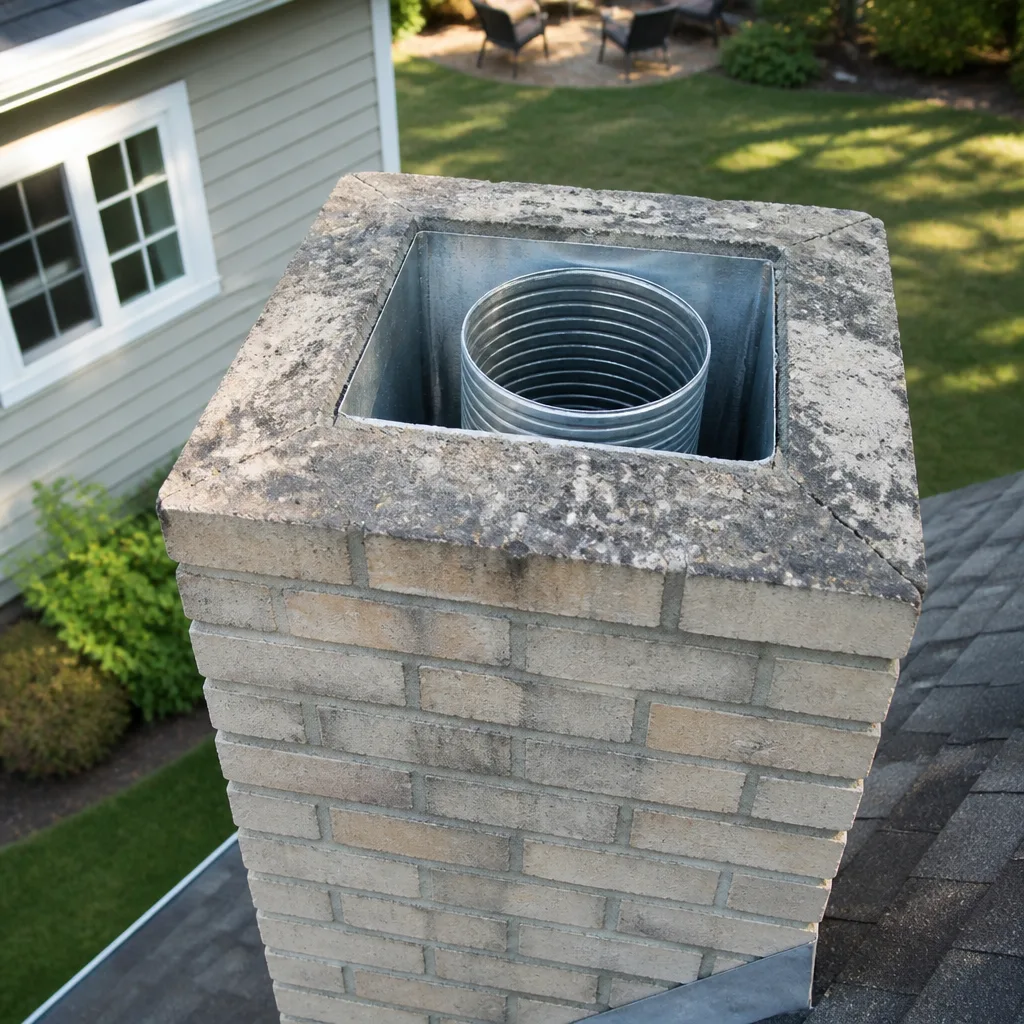
Steel liners behave differently. There’s no absorption, but the moisture attacks joints and seams. A steel liner installed without a proper cap or with a compromised top seal becomes a place where water works on the metal from inside. Rust travels invisibly until a seam fails.
The practical difference for a Spanish Fork homeowner is that a home with a clay tile flue benefits from a summer-late moisture check before the burn season, while a home with a steel liner benefits from a cap-and-seal check at the same time. That’s exactly the work that a Chimney Sweep Spanish Fork visit handles when scheduled with the season in mind.
In our experience, most of the summer moisture damage we find could have been prevented with a good cap and a sealed crown. That’s why cap and crown work isn’t a separate project in our book. It’s the reason a liner survives the rainy season at all.
Your Winter Interim Check
Once the burning season is underway, a full inspection is overkill. What’s useful is a brief visual check anyone can perform after an extended cold snap, without touching the flue, opening the damper, or getting on the roof. It’s a five-minute habit that catches slow problems before they become surface ones.
Here’s what to look for:
- Smoke behavior. After you light a fire, watch how the smoke leaves the firebox. A fire that smokes back into the room, or one that burns sluggishly with an open damper, is pulling poorly. That’s worth noting and acting on before the next fire.
- Interior staining. Look at the wall and ceiling around the chimney chase. New brown discoloration, or a paint bubble, means water is getting in somewhere above.
- Creosote appearance. From the firebox, look up at the smoke chamber and the first stretch of flue if you can see it. Glossy, crinkled black buildup is worse than powdery soot. It’s the difference between a routine sweep and a call.
- The cold snap aftermath. After several nights of hard freeze, check the cap and crown from the ground with binoculars. Fresh spalling, a loosened screen, or a chunk of mortar on the roof are all signs the freeze-thaw cycle is working on the structure.
- Carbon monoxide detector status. A working CO detector is the closest thing you have to a live measurement of your chimney’s safety. Test it, and don’t ignore it.
None of those checks require you to open the flue or climb a ladder. They’re data you collect for the next professional visit. If any of them turns up a real concern, don’t wait for the burn season to end. Call and we’ll get someone out. Our technicians have up to 9 years of experience, and they’ll tell you exactly what they find.
How to Stagger Appointments Across the Year
The single biggest scheduling problem in Spanish Fork chimney care is the September-October fall backlog. Everyone calls at once. Appointments get spread thin, and you end up taking an opening weeks out because it’s the only one left. Staggering your care across the year avoids that entirely.
Here’s the rhythm we recommend, adjusted for how hard you burn:
- April or May: Full inspection, including camera. This is where you catch winter damage and freeze-thaw wear.
- July or August: Cap, crown, and screening check after the monsoon pattern settles. Any repair that turned up in April gets finished here.
- Early September, or earlier if you burn hard: Chimney sweep. Getting this in before the first cold snap gives you time to address findings.
- Deep winter: Interim visual checks by you, no service visit required unless something surprising turns up.
For a light user, that compresses into one inspection and one sweep a year. For a household that burns several evenings a week, the sweep may need to happen twice. In our experience the recommendation depends on what’s actually burning, how often, and how the flue responds. Creosote accumulation is not a calendar constant. It’s a function of fuel and air.
One more thing worth saying plainly: a sweep and an inspection are not the same service. You can book them together, but the inspection is the diagnostic, and it’s where you actually learn what condition the system is in. If you’re not sure which you need, ask. We’ll tell you.
Caps, Crowns, and Year-Round Water Protection
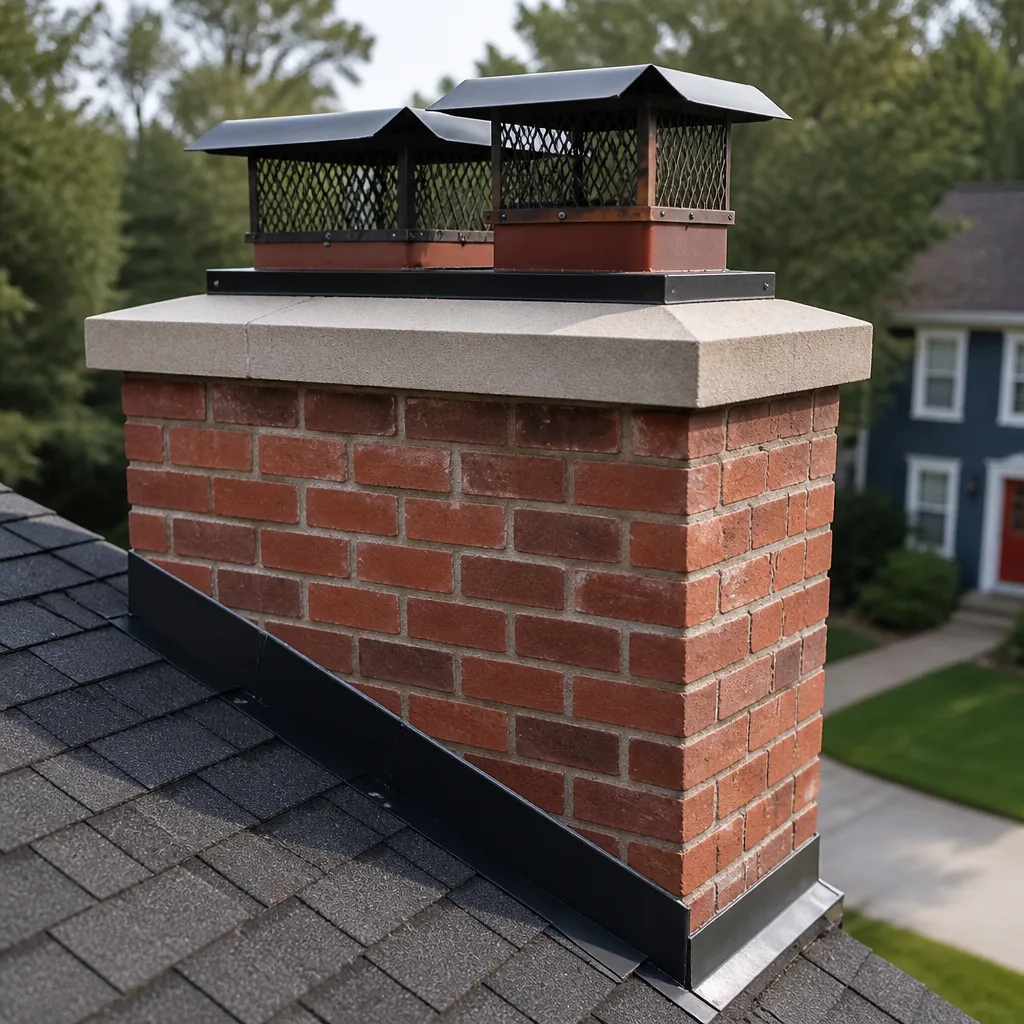
A chimney cap isn’t an upsell. It’s the reason repairs last. Most of the water damage we see in Spanish Fork chimneys enters from above, and a cap is the barrier that stands between a fall rainstorm or a summer monsoon and the inside of your flue.
The cap does three jobs:
- Keeps out rain and snowmelt. A properly sized and seated cap sheds water away from the flue opening.
- Screens wildlife and debris. Spark arrestor screens keep birds and squirrels from building nests at the flue top.
- Directs smoke and sparks. A well-designed cap sends smoke upward and catches sparks before they land on your roof.
The crown is the concrete or masonry surface at the very top, and it’s the second line of defense. A crown that is cracked, tilted, or missing chunks lets water sit on top of the chimney structure and work into the masonry. We use contractor-grade materials from Copperfield and Famco for cap and crown installation, so the work doesn’t need redoing after one hard winter.
Neither the cap nor the crown is glamorous work. Both are the difference between a chimney that survives a Spanish Fork season and one that doesn’t. If your inspection turns up a crown issue in April, this is exactly where it should be handled, long before it has a full summer of monsoon to get worse.
The Five Stages of a Complete Chimney System
When we talk about chimney care as a seasonal discipline, we’re really talking about five distinct categories of work. Each belongs to a different season, and together they describe what a full-lifecycle chimney specialist actually covers.
- Sweeping. The cleaning of soot and creosote from the flue. Ideally scheduled ahead of the burn season, once a year for most homes.
- Inspection. The diagnostic visit, including camera inspection and a report of what’s actually happening. Best in spring.
- Fireplace repair. Firebox, damper, and hearth work. Usually done in the shoulder season between heating and cold.
- Chimney repair. Structural work on the masonry, crown, or liner. Ideally completed before winter or immediately after an inspection finds a problem.
- Cap and crown installation. The protection stage that makes all the others last longer. Best in late summer, before the fall rain.
One call covers all five stages. That matters because when a sweep, an inspection, and a cap job all live with the same team, you don’t get handoffs between contractors, and you don’t get a diagnosis without a fix. HeatShield lets us restore a damaged flue without tearing out the existing liner, and DuraFlex flexible liner systems let us work in older or irregular chimneys where rigid systems can’t go. Those are the tools that let a single company actually close the loop.
Common Mistakes to Avoid
- Scheduling only in late September. The rush means long waits, no buffer for findings, and a fire you can’t light if the inspection turns up something. Book a month or two earlier.
- Combining a sweep and an inspection in one October visit. They’re different services. Doing both at once is fine, but not on the eve of the burn season when there’s no time to act on what’s found.
- Ignoring the crown until it’s visibly failing. A crack you can see is a crack that has been there a while. Check it in April, not when water is coming into the attic.
- Skipping the cap because “we’ve never had water damage.” Never-had-yet is not a plan. Spanish Fork’s summer monsoon is a yearly stress test, and one good storm on an uncapped flue is all it takes.
- Assuming a clean flue is a healthy flue. Sweeping removes creosote. It doesn’t inspect a crown, test draft, or find a failing tile. A sweep without an inspection is only half the job.
- Trusting a quote that arrives before the diagnostic. Anyone who prices a fix without a camera report is guessing. Ask to see the evidence before you agree to anything.
- Waiting until winter to think about the winter. Every repair done in spring or summer happens when the fireplace isn’t in use. A repair done in December happens under pressure.
See the difference
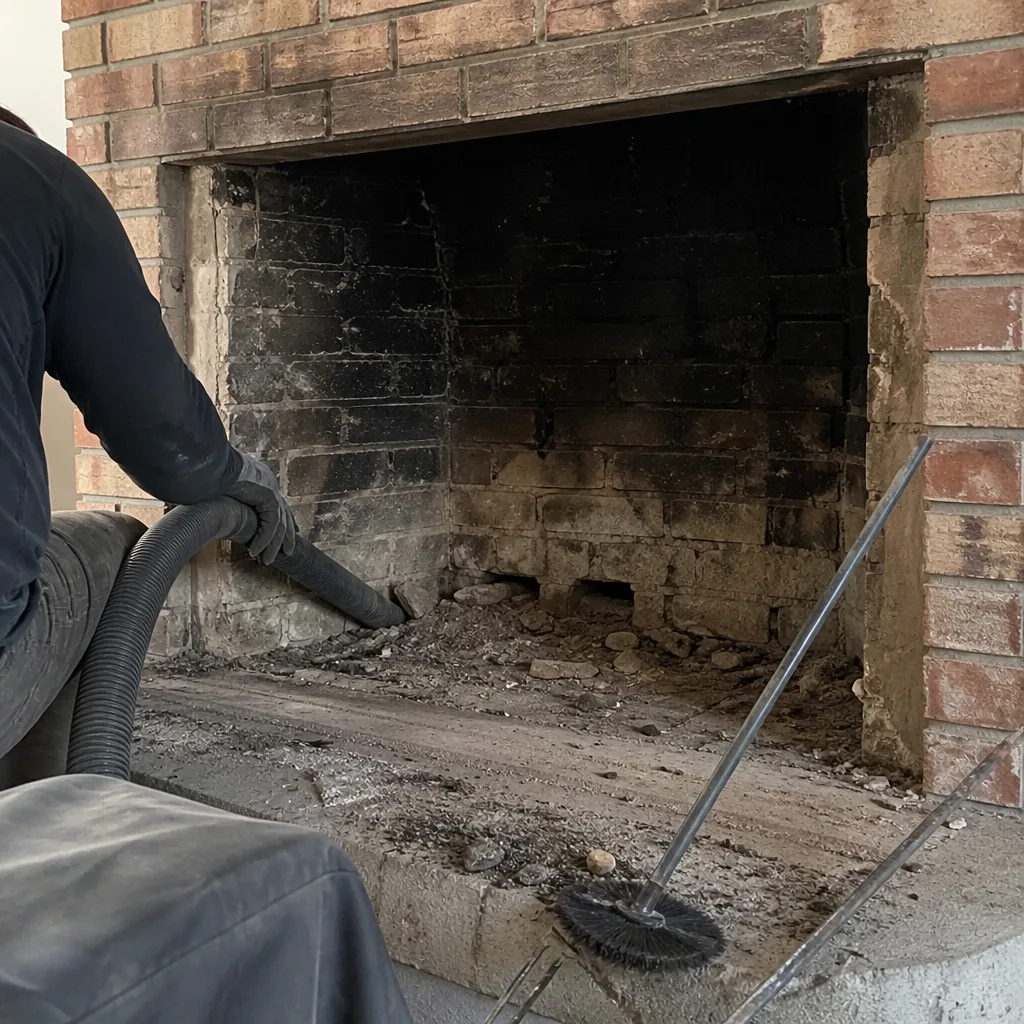 Before
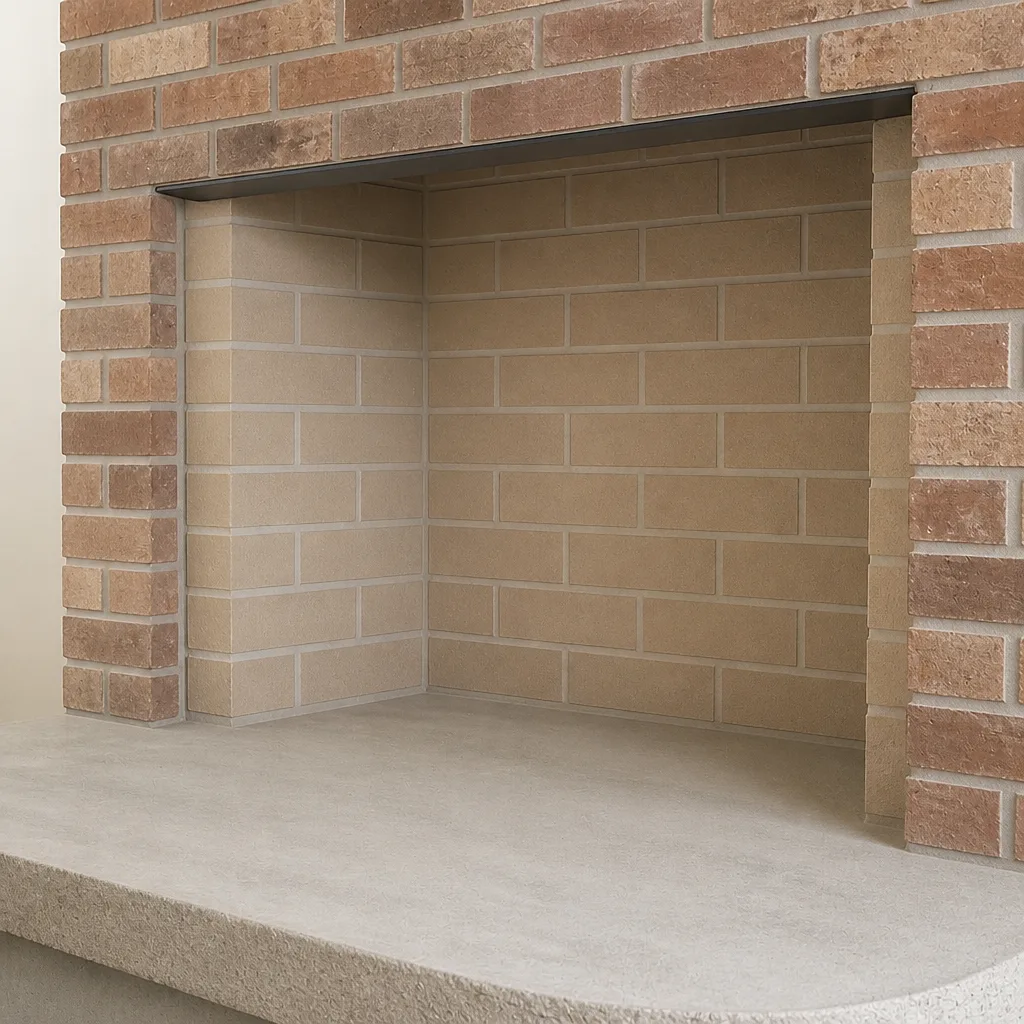 After
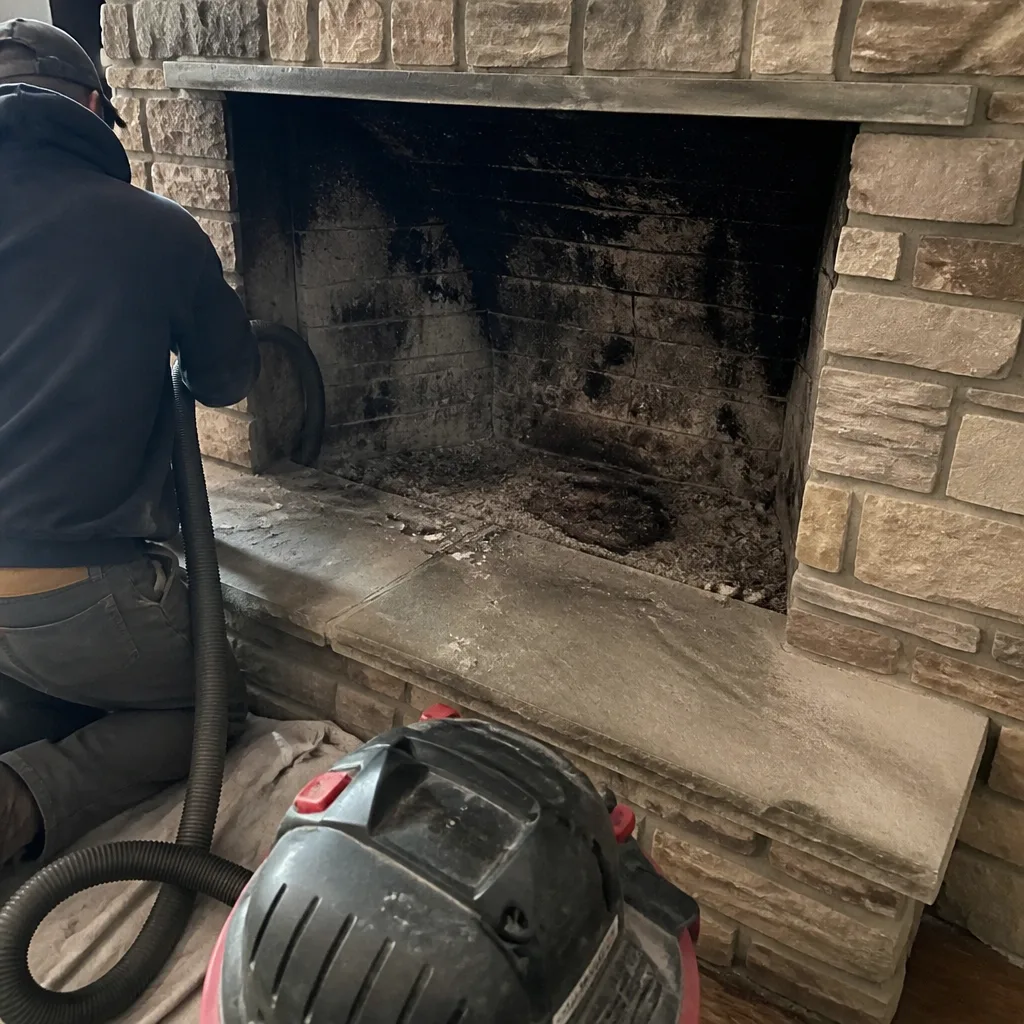 Before
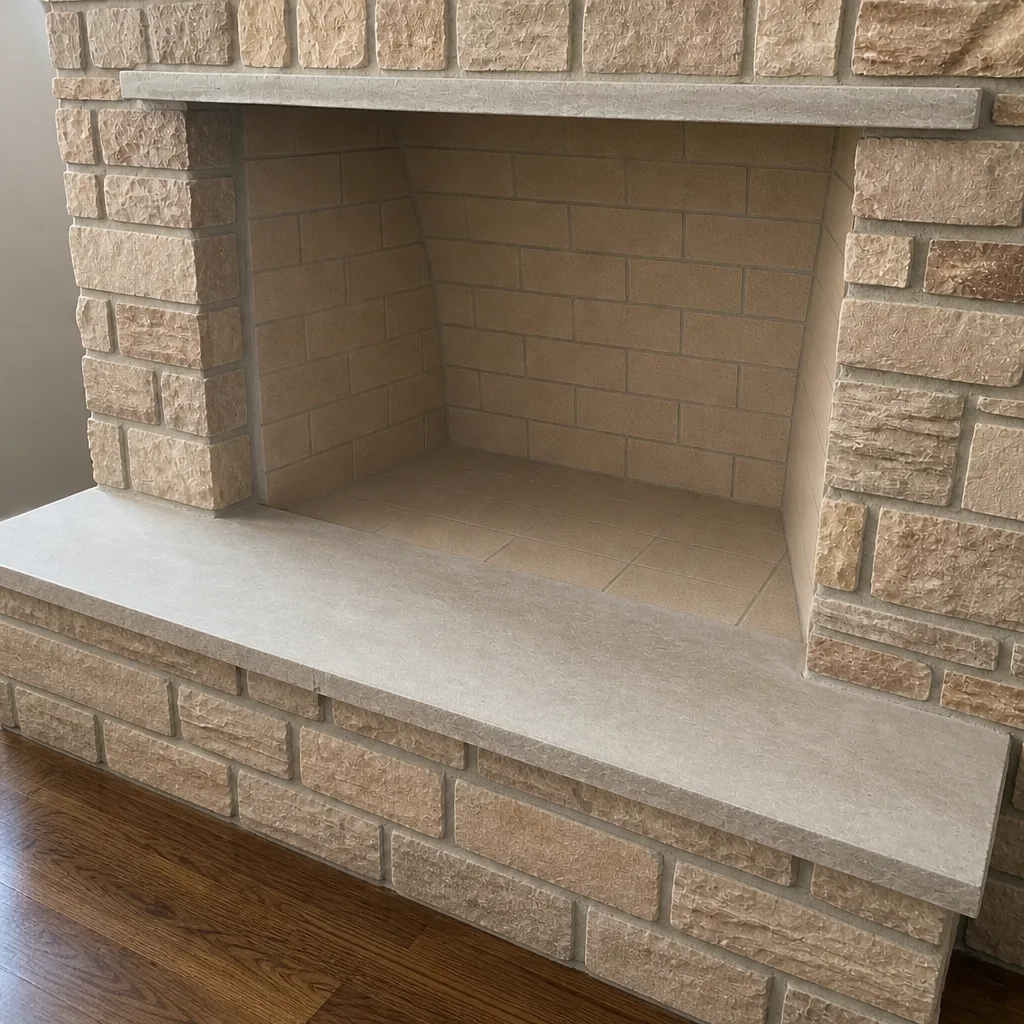 After
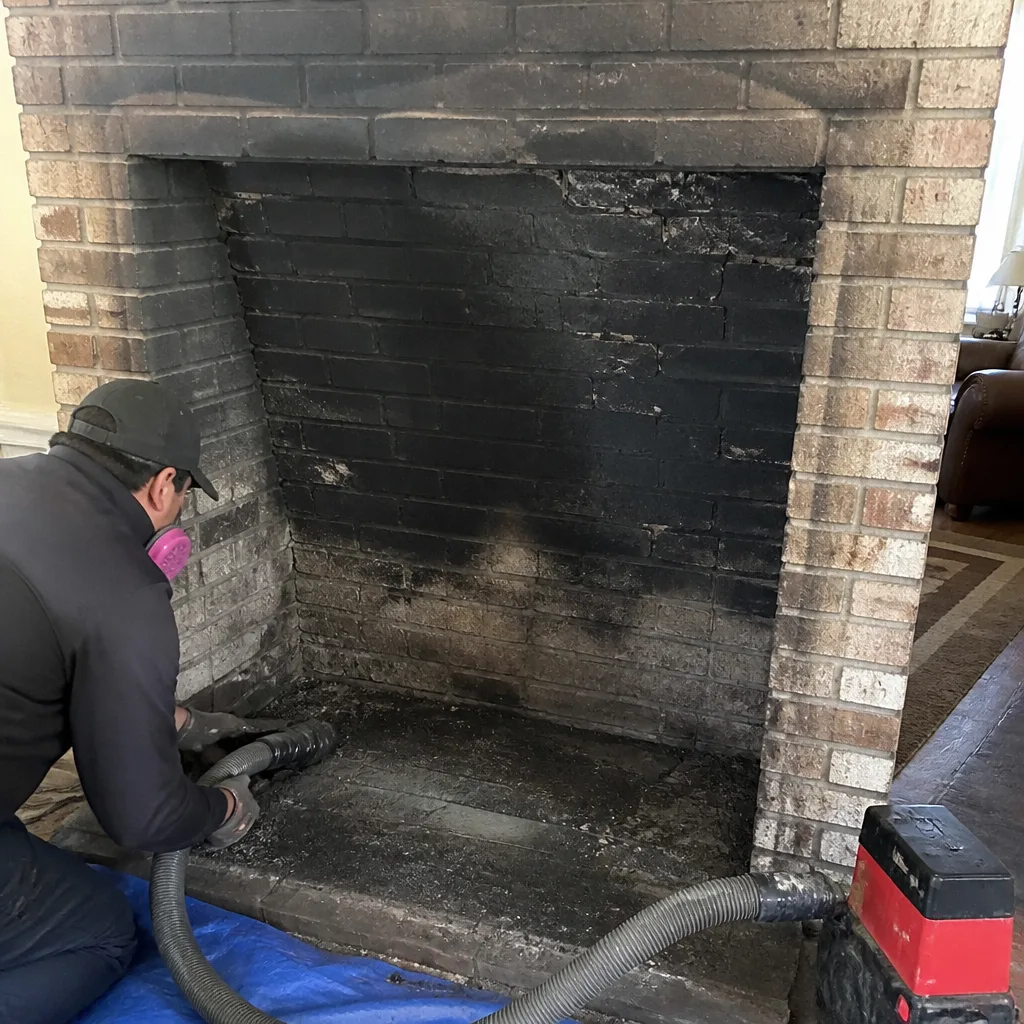 Before
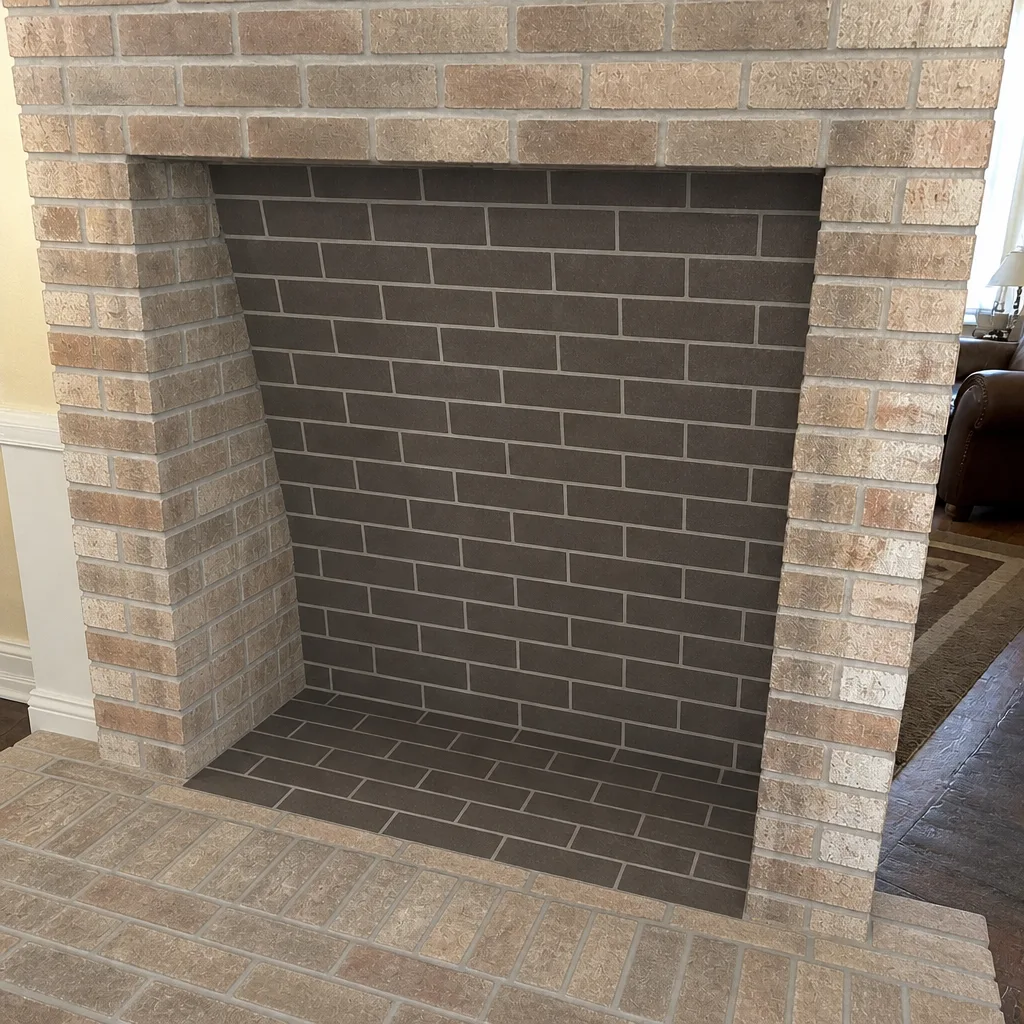 After
When to Call a Professional
Some seasonal checks are yours to do. A few are not. Call a professional if you notice any of the following: smoke backing into the room when the damper is open; a strong, acrid odor from the fireplace even when it’s cold; visible water staining around the chimney chase; cracked or missing cap or crown pieces; any creosote that appears glossy or crinkled when you look up the flue; fallen mortar on the roof or in the firebox; or a CO detector that has sounded. Those last two are the ones to treat as urgent. Don’t light another fire until you’ve talked to someone. For a structural issue in a chimney, a trained professional is not optional. The flue carries hot gas and creosote, and the consequences of getting it wrong are serious. Chimney Sweep Spanish Fork offers free estimates in Spanish Fork. Call (877) 492-4380, and we’ll schedule a visit.
Frequently Asked Questions
Once a year for most homes that use their fireplace regularly, and more often if you burn several evenings a week or use unseasoned wood. The right answer depends on how quickly creosote accumulates in your specific flue, which the inspection will tell you. Call (877) 492-4380 for an exact quote. Estimates are free.
Not bad, but less than ideal. Late September is Spanish Fork’s busiest window, which means long waits, fewer openings, and no buffer between the inspection and the first fire. Booking in August or earlier gives you more time to act on what’s found. Call (877) 492-4380 to book ahead of the rush.
Yes, and it’s the single most cost-effective protection you can add to a chimney. A cap keeps out monsoon rain, snowmelt, birds, and debris, and it’s the reason a liner or crown repair lasts through the next season. Call (877) 492-4380 and we’ll quote a cap and crown as part of the inspection.
Every job is priced per job by a written estimate, because a clean flue and a flue that needs repair before it can be safely swept are different jobs. We’ll tell you what we find and quote the fix before we touch anything. Call (877) 492-4380 for an exact quote. Estimates are free.
Yes, and you should. Watch how smoke leaves the firebox, look for new staining on the walls near the chase, check your CO detector, and inspect the cap from the ground with binoculars after a hard freeze. Those checks catch slow problems before they get serious. Anything that turns up a concern is worth a call, and any structural issue needs a professional. Call (877) 492-4380 if you see something that worries you.
Yes, and clay tile liners are especially vulnerable because tile absorbs water and expands when it freezes. Steel liners are less absorbent but can rust at the seams. Both benefit from a cap and a sealed crown, and both benefit from a late-summer check before the burn season. Call (877) 492-4380 to schedule one.
The Bottom Line
Spanish Fork has four distinct seasons, and each one puts a different kind of stress on a chimney. The homeowners who get the best outcomes aren’t the ones who sweep every September. They’re the ones who inspect in spring, check caps and crowns in late summer, sweep before the first fire, and do simple winter checks on their own. Spread across the year, each task has time to be done right. Crammed into one appointment, they become a race against the calendar and the weather. Pick a rhythm, book ahead of the rush, and let each visit pay off in the season that follows.
Call (877) 492-4380. We answer 24/7. Fast dispatch from 7am to 7pm, Sunday through Friday.
Written by the team at Chimney Sweep Spanish Fork.