
Last updated November 24, 2026
 Sweep & inspection
 Caps & crowns
 Flue relining
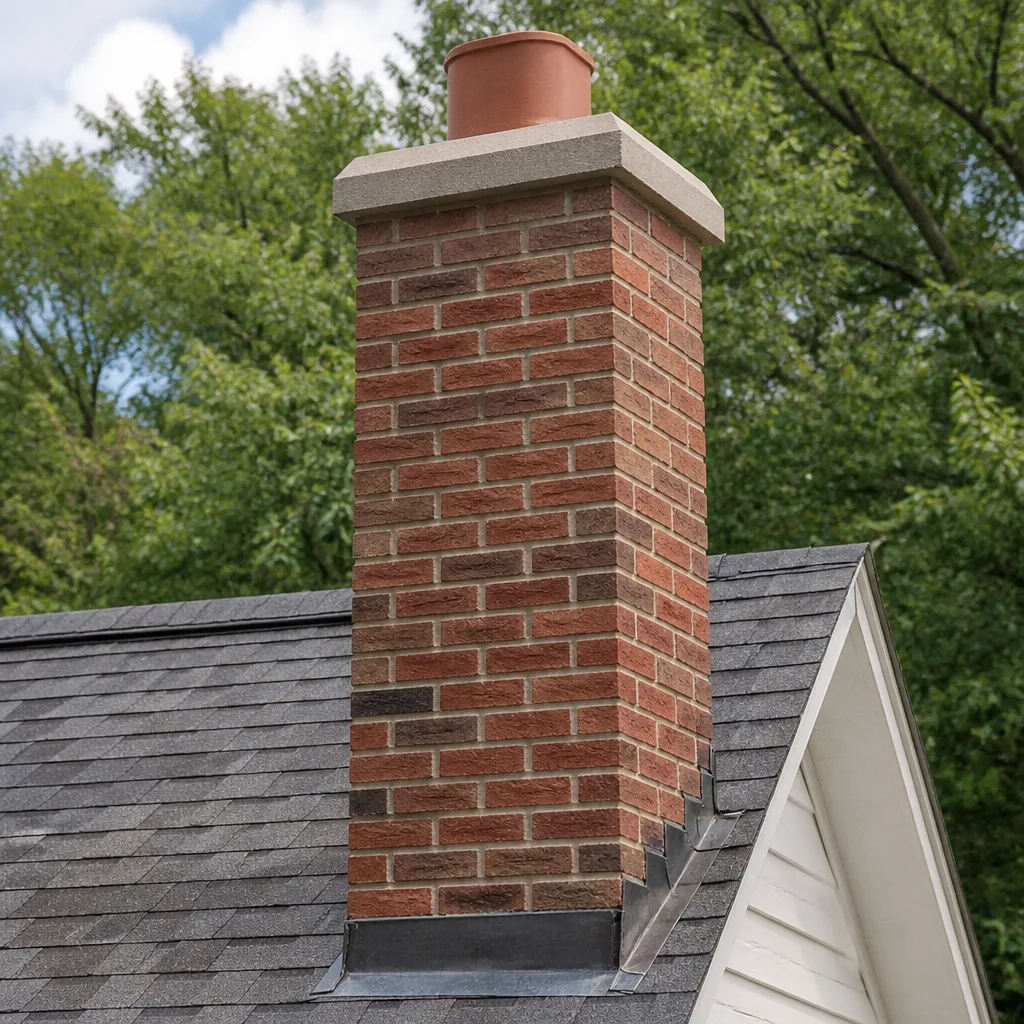 Masonry repair
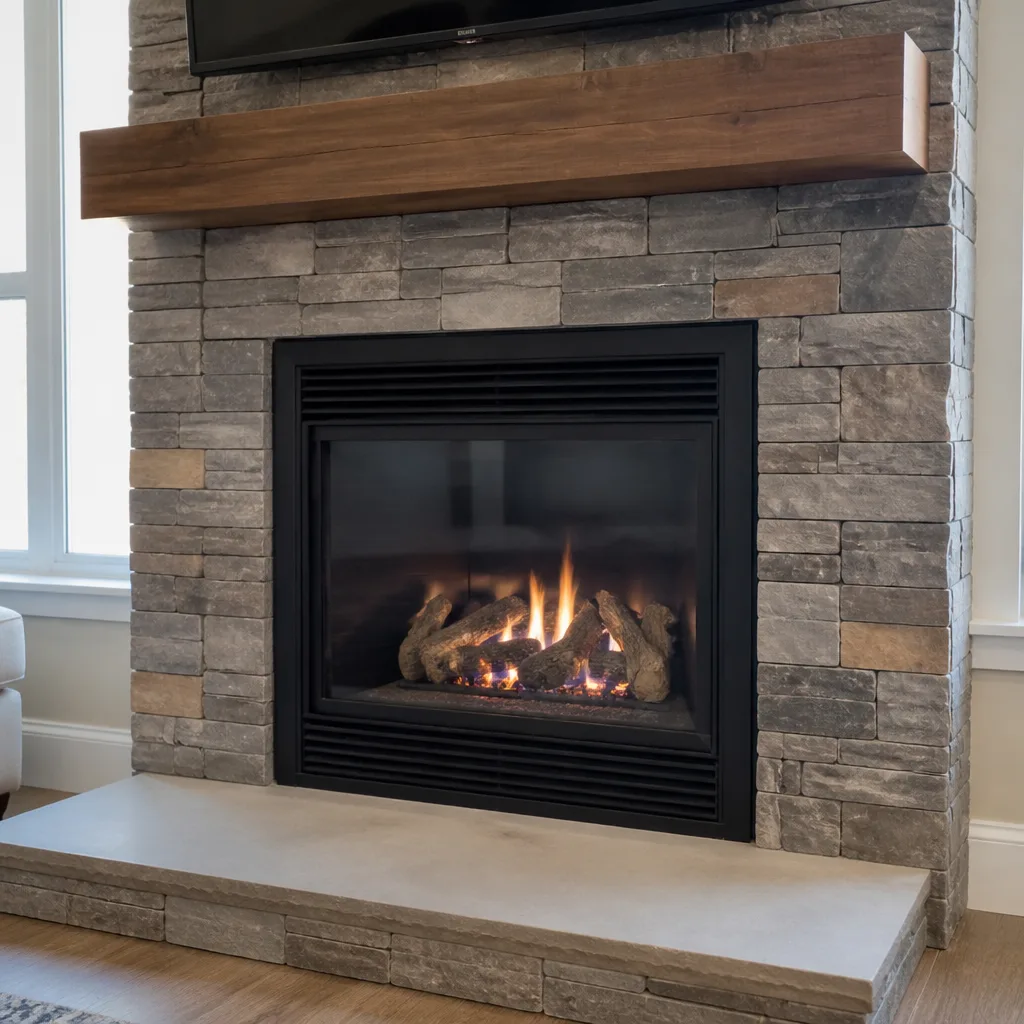 Gas fireplace service
Level 1 sweep and inspection to the NFPA 211 annual standard - flue, crown, cap, and flashing checked and photographed
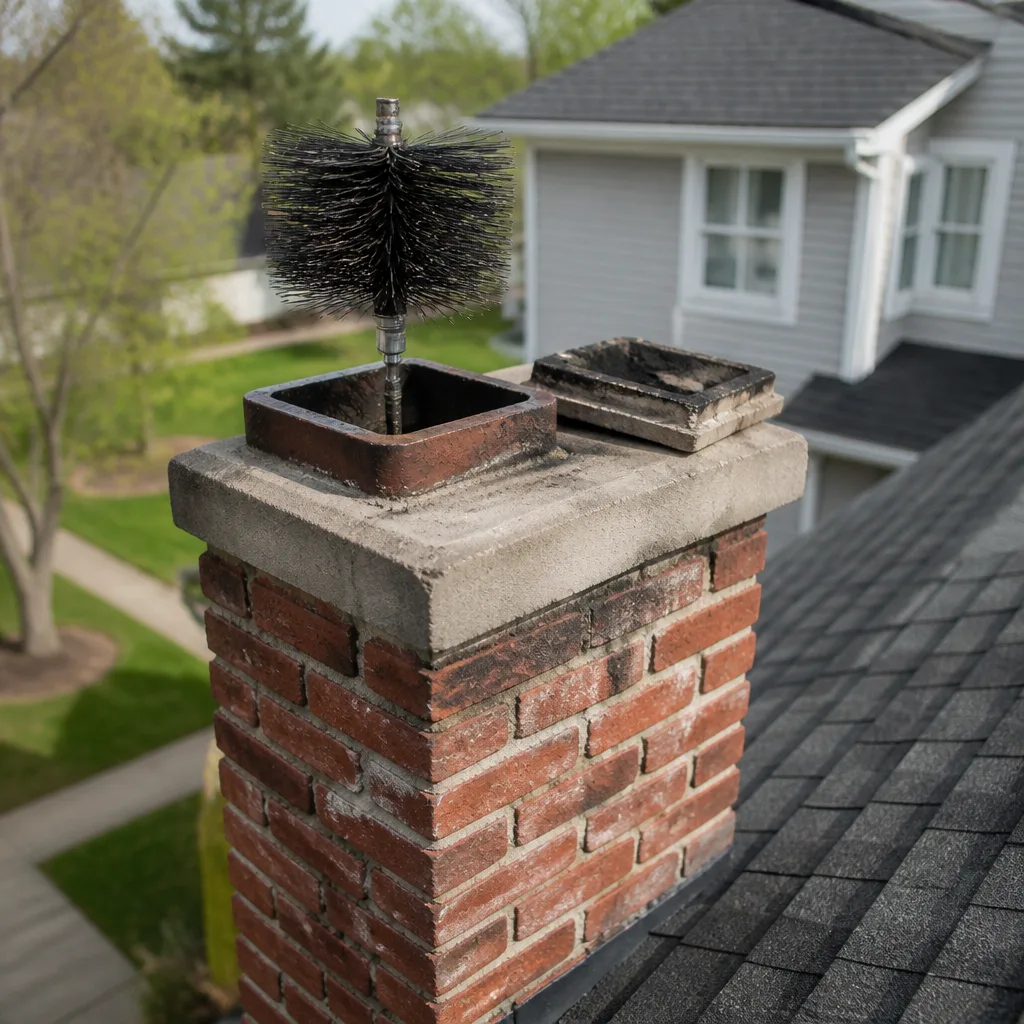
Chimney sweep logs do not sweep chimneys. They loosen some creosote - which then falls where a brush and vacuum still have to collect it.
Chimney Cleaning Permits, Codes & Inspections in Spanish Fork, UT: What You Need to Know
Here’s a fact that surprises most people: the routine cleaning we do on a chimney needs no permit at all in Spanish Fork. But the moment someone touches your liner, rebuilds a crown, or resets firebox brick, you’ve crossed into permitted repair territory under Utah’s residential building code. That gap between “cleaning” and “repair” is where a lot of confusion lives, and it’s why unpermitted chimney work is so common across Utah County. Contractors aren’t usually trying to pull a fast one. Homeowners simply never ask, and plenty of contractors don’t bring it up. This guide walks through what’s actually required, what an inspection does and doesn’t cover, how unpermitted work surfaces at resale, and where a Spanish Fork homeowner’s real liability sits.
Quick Answer
Routine chimney sweeping and a standard Level 1 inspection require no permit in Spanish Fork, Utah. Structural work – relining a flue, rebuilding or resurfacing a crown, repairing firebox masonry, or replacing portions of the chimney structure – falls under Utah Residential Code Section R1003 and generally requires a building permit through Spanish Fork City. A sweep’s inspection report and a municipal inspection are two separate things, and passing one does not satisfy the other.
Styles & brands we work with
- Sweep & inspection
- Caps & crowns
- Flue relining
- Masonry repair
- Gas fireplace service
Table of Contents
- Where Cleaning Ends and a Permit Begins
- What Utah Residential Code R1003 Means for Your Chimney
- Spanish Fork City Inspections vs. Your Sweep’s Inspection
- What NFPA 211 Actually Requires at Resale
- How Unpermitted Liner and Crown Work Shows Up at Resale
- Level 2 Inspection, Insurance, and Municipal Permits
- Questions to Ask Before Anyone Touches Your Chimney
- Why Spanish Fork Chimneys Face What They Face
Where Cleaning Ends and a Permit Begins
The line is simpler than most people expect. Cleaning removes creosote and debris from a flue that’s already built correctly. Repair changes the structure of the chimney itself. One is maintenance. The other is construction, and construction in Spanish Fork runs through the building department.
Under the general framework of Utah’s adoption of the International Residential Code, chimney and venting work falls under Chapter 10, and Section R1003 governs masonry fireplaces and chimneys specifically. That section covers the construction, seismic anchoring, flue sizing, and clearances of the chimney assembly. When a contractor alters any of that – swapping a liner, changing a flue’s effective cross-section, rebuilding the crown that sheds water off the top – the work is treated as a structural repair, not a cleaning.
Here’s the practical split we walk homeowners through in Spanish Fork:
- No permit typically needed: sweeping, creosote removal, Level 1 visual inspection, cap replacement where the cap simply sets or fastens onto an existing crown, and minor firebox cleanup that doesn’t alter masonry.
- Permit generally required: installing a new stainless liner, resurfacing a damaged flue, rebuilding a crown, replacing firebox brick or refractory panels, repairing or replacing the chimney above the roofline, and any change to flue size or configuration.
- Call the city to confirm: anything that feels like it sits between those two lists. Spanish Fork City’s building department is the only authority that can tell you definitively whether your specific job needs a permit.
The reason this matters isn’t bureaucratic fussiness. A permit means the work gets looked at by an inspector who doesn’t work for the contractor, and it means there’s a record that the work happened. That record is worth real money the day you sell. For a broader view of how the full sweep-and-inspect process works, our chimney sweep page covers the service side in detail.
What Utah Residential Code R1003 Means for Your Chimney
Section R1003 exists to make sure a chimney is built so it won’t fail, shift, or vent into the house. It sets requirements for flue lining, wall thickness, clearance to combustibles, seismic reinforcing, and the crown at the top. In a seismic zone like ours, the reinforcing and anchoring provisions aren’t theoretical – they’re the requirements that keep a masonry chimney standing during a shake.
When your contractor proposes work that touches any of these elements, that’s your signal a permit is likely in play. The specific pieces of R1003 that come up most often in Spanish Fork:
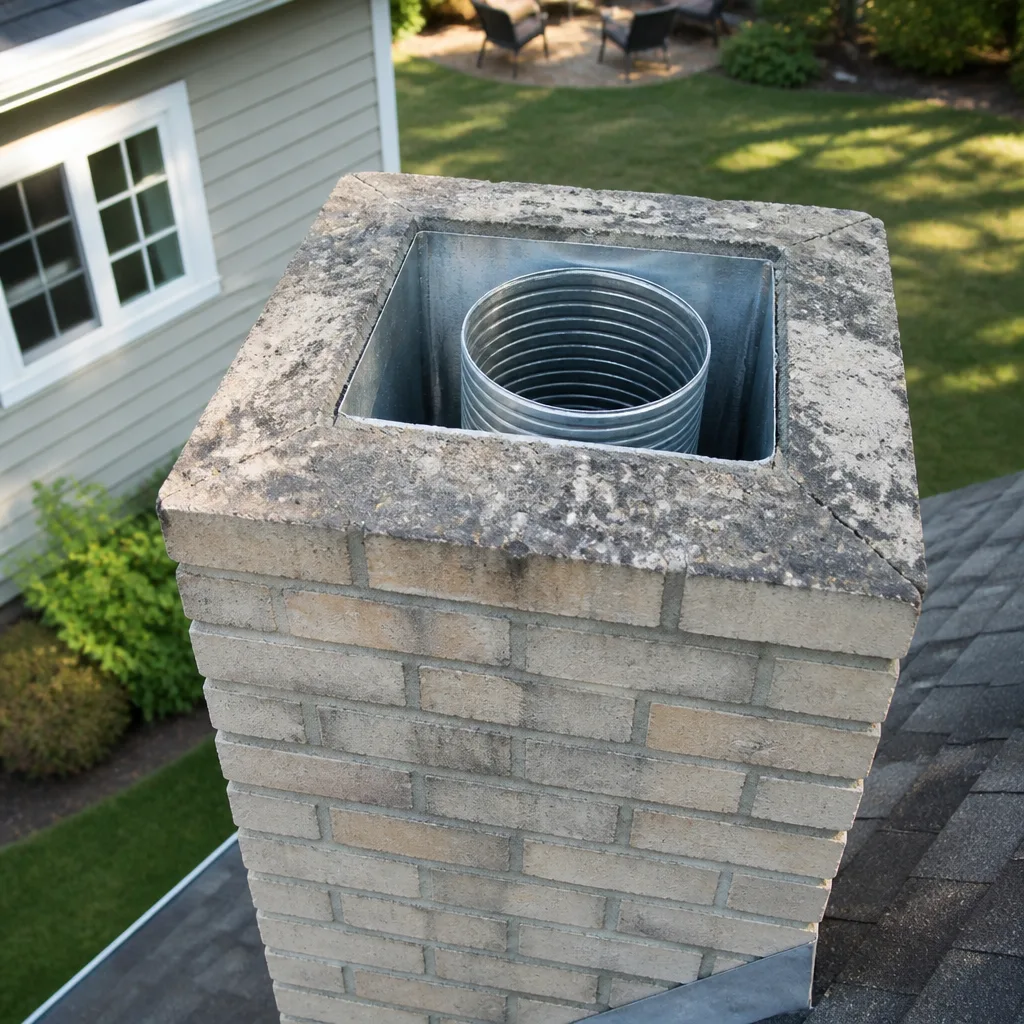
- Flue lining requirements. Every masonry chimney needs a lining, and the lining has to be suitable for the appliance and fuel. Relining a flue – including resurfacing a deteriorated clay liner with a product like HeatShield – changes the lining system and is treated as permitted work.
- Clearance to combustibles. The code specifies how far the chimney must sit from wood framing and other combustible materials. Repairs that change the chimney’s footprint or position alter those clearances, so an inspector needs to see it.
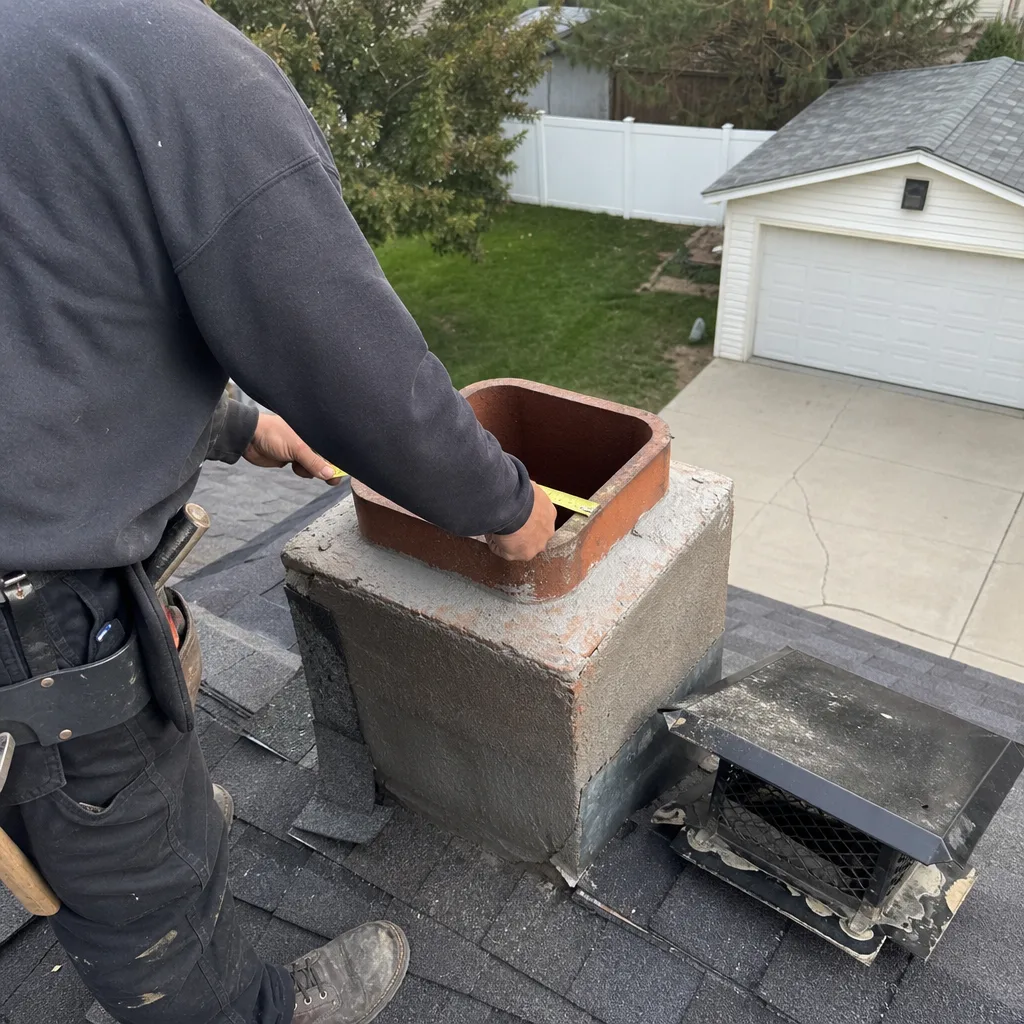
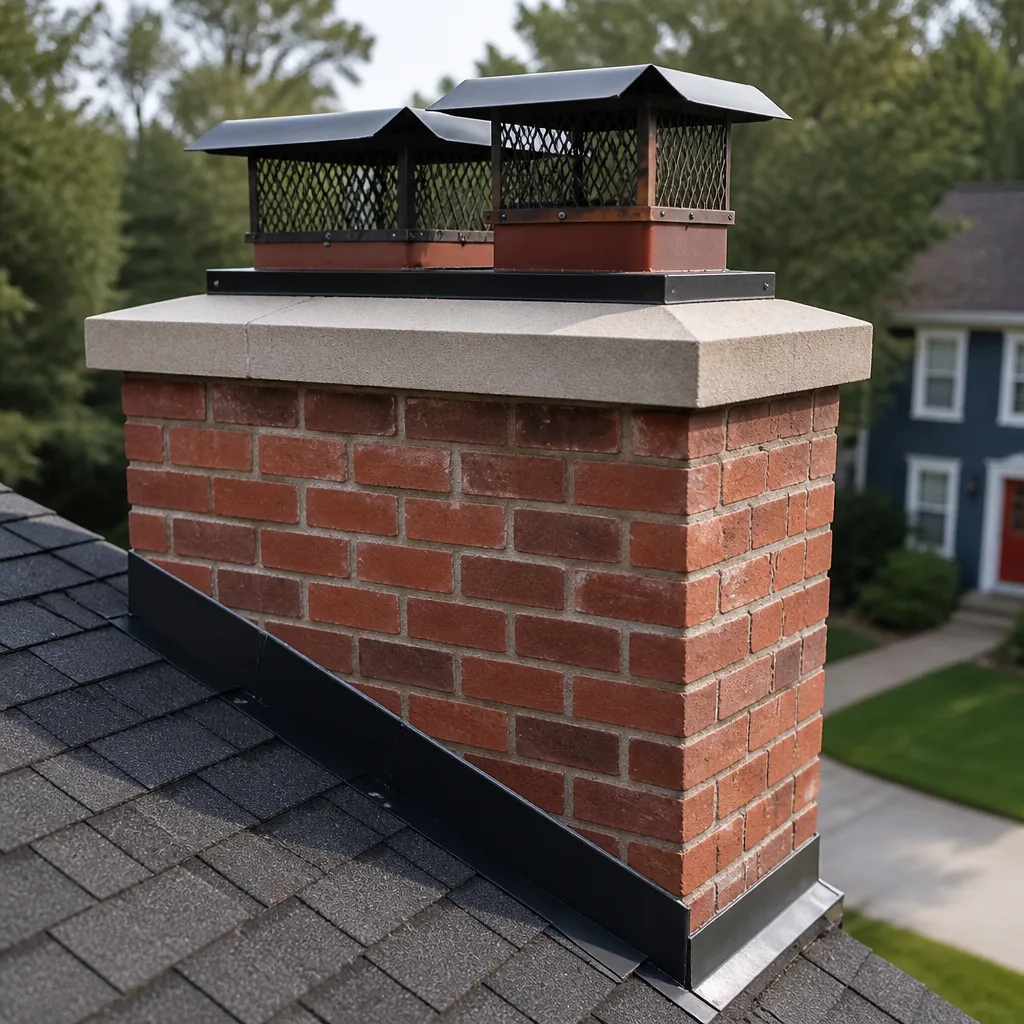
- Crown and cap provisions. The crown is the sloped concrete or masonry top that directs water away from the flue. A properly built crown keeps water out of the chimney structure, and rebuilding one to code is more than a cosmetic job.
- Seismic reinforcing. Requirements for anchoring and reinforcing a masonry chimney to the structure of the house. This is where older Spanish Fork homes built before these provisions were enforced can fall short.
What this means practically: any contractor proposing to reline, rebuild, or reposition your chimney should be prepared to pull a permit. If they say permits aren’t necessary for a liner install, that’s a conversation worth having with the city yourself before work starts. It’s the single most common thing we hear homeowners ask about after the fact, and it’s much easier to sort out before the mortar sets.
Spanish Fork City Inspections vs. Your Sweep’s Inspection
These are two entirely different things, and mixing them up causes real trouble at resale. Your sweep’s inspection assesses the condition and safety of the venting system. A Spanish Fork City inspection is a code-compliance check tied to a permit. One looks at whether the chimney is safe and functioning. The other looks at whether the permitted work was built to code.
Your chimney professional’s inspection follows NFPA 211, the national standard for chimneys, fireplaces, vents, and solid fuel appliances. It comes in three levels:
- Level 1: A visual check of readily accessible portions of the system, done during routine maintenance. No tools that could damage the chimney are used beyond basic cleaning.
- Level 2: Everything in Level 1 plus inspection of accessible areas that Level 1 doesn’t reach – attics, crawl spaces, and the interior of the flue via camera. Required when there’s a change in appliance, a change in fuel type, a sale or transfer of the property, or after a chimney fire or seismic event.
- Level 3: Everything in Levels 1 and 2 plus investigation of concealed areas, which may require removing parts of the building. Reserved for serious suspected problems.
The city inspection, by contrast, is triggered only when a permit has been pulled. The inspector checks the permitted scope against code. They are not evaluating your whole chimney for safety, they’re not telling you your flue is sound or your crown is watertight, and they’re not issuing you a report you can hand to a buyer. A passed city inspection does not mean your chimney is safe – it means the permitted work met code. Both checks have value, but they answer different questions.
In our experience, the confusion peaks at resale. A homeowner gets a Level 2 inspection for the buyer, assumes it doubles as proof of code compliance, and doesn’t realize a permit was never pulled on a liner install done years earlier. That’s the gap this whole guide is about. If you’re preparing to sell, our Chimney Sweep Spanish Fork page lays out how a resale inspection fits into the bigger picture.
What NFPA 211 Actually Requires at Resale
NFPA 211 doesn’t require an inspection every time a house sells, but it does recommend a Level 2 inspection whenever a property changes hands, because the new owner inherits whatever condition the chimney is in. In practice, most buyers’ inspectors and most lenders want documentation, and a Level 2 with a camera report is what satisfies that need.
The standard also sets out how a chimney gets swept and inspected – not just that it should be, but what the inspection should cover. Three things matter most at resale:
- The flue interior. A camera inspection catches cracked tiles, gaps at the joints, excessive creosote, and liner damage that a visual check from below will miss. At resale, that camera footage is your evidence.
- Accessible clearances and connections. The inspector looks at whether the chimney is properly connected to the appliance, whether the clearances from combustibles are right, and whether any connectors are corroded or loose.
- Documentation. The report – ideally with photos – is what a buyer’s agent and a lender will ask for. An inspection that’s been paid for and never documented is just a service call.
The much more familiar question people ask in Spanish Fork is about routine maintenance: how often should the chimney be swept? The answer depends on how much you burn – a chimney seeing a cord of wood a year usually needs an annual sweep, while one used only for the occasional fire can go longer. A Level 1 inspection on each sweep is the routine. A Level 2 is a heavier lift, and it’s the one that matters when the house is changing hands.
How Unpermitted Liner and Crown Work Shows Up at Resale
An unpermitted liner install usually looks just fine from the ground. That’s the problem. A home inspector sees a stainless liner in a flue, notes that it’s present, and moves on – nobody’s pulling the city’s permit history unless something looks off or the buyer’s agent specifically asks. The work can go undetected for years.
Where it surfaces:
- The permit search. Some buyers and their agents do pull the city’s permit history for the property. If a liner or crown was replaced and there’s no matching permit, it comes up as a question, and the seller is the one who has to answer it.
- A failed clearance or connection. An improperly installed liner can leave clearance violations or a bad connection to the appliance. Those get flagged when a technician actually runs a camera or when a Level 2 is ordered.
- Water intrusion that returns. Crown work done without the right slope or without proper cap installation lets water back into the chimney, and the damage shows up in the masonry and the framing around it.
Our role here is straightforward. We tell you what we find and quote the fix before we touch anything. We use contractor-grade materials – HeatShield for flue resurfacing, for instance, and Olympia Chimney components for the liner and cap work – not the hardware-store alternative. What matters most for the permit question, though, is the paper trail, and we’ll walk you through what needs a permit in your case before any work is committed. If you’ve inherited an unpermitted install and want to sort it out, our chimney repair page covers the scope of the corrective work.
Level 2 Inspection, Insurance, and Municipal Permits
A Level 2 chimney inspection and a municipal permit are not substitutes for each other. A Level 2 satisfies an insurance company’s need for documentation about the safety and condition of the venting system – most commonly after a chimney fire, a change in appliance, or a change in fuel source. A municipal permit is a separate legal requirement for structural work, and no inspection report replaces it.
Here’s the practical split, from our side of the conversation:
- When an insurance company wants a Level 2: after a chimney fire, when a new wood stove or insert is installed, when the fuel type changes, or when a policy review wants a documented condition report. The report you receive from your sweep is what goes to the carrier.
- When a permit is required: any liner replacement or resurfacing, crown rebuild, firebox structural repair, or work on the chimney above the roofline. That permit comes from Spanish Fork City, and the contractor pulling it is responsible for the inspections.
- When both apply: a chimney fire that damaged the flue usually means a Level 2 inspection for the insurer and a permitted liner replacement for the city. They happen in parallel, not in sequence, and one doesn’t stand in for the other.
If you’re not sure which applies, start with the inspection. The camera footage and photo report tell you what’s actually wrong, and from there we can tell you whether the fix is a permitted repair or routine maintenance. Nothing gets recommended without evidence you can see for yourself. On more than one occasion, the right answer for a Spanish Fork homeowner has been that the chimney can safely wait.
Questions to Ask Before Anyone Touches Your Chimney
This is the part that saves homeowners the most trouble. Before you agree to any chimney work beyond a sweep, ask these questions. A contractor who can answer them clearly is one you can work with.
- “Will this work require a permit from Spanish Fork City?” If the answer is a flat “no” on a liner install or crown rebuild, ask them to confirm with the city before starting. The good ones welcome the question.
- “What level of inspection does this include?” A sweep should come with at least a Level 1. If a contractor is quoting structural work without a camera inspection, ask why not.
- “Can you show me what you found?” Photo and camera reports are standard for professional chimney work. A contractor who can’t show you evidence is asking you to take their word for thousands of dollars of work.
- “What materials are you using?” Professional-grade products – HeatShield, DuraFlex, Gelco, Olympia Chimney, Famco, Copperfield – perform differently than the hardware-store alternatives. Ask what’s going in, and why.
- “Is the cap and crown included in the quote?” Water entry at the top is the most common cause of chimney damage. A quote that leaves the cap and crown unaddressed may leave the underlying problem unaddressed.
- “Will you pull the permit, or do I?” The contractor should handle it. If they’re asking you to, that’s a red flag about how they operate.
One call covers it: sweep, inspect, repair, and protect. If you’re working through a decision about your own chimney in Spanish Fork, the quickest way through is to get the inspection done and see the evidence. From there, the fireplace repair question can be answered on facts rather than guesses.
Why Spanish Fork Chimneys Face What They Face
Spanish Fork sits in Utah Valley, on the bench between the mountains and the low, cold air that settles in during winter. That geography matters for your chimney in ways that don’t show up in a code book.
Cold air sinks. In the valley, the temperature inversions that build through the winter trap wood smoke near the ground, and that’s one reason burning season here comes with real air-quality attention. A chimney drawing well and a fire burning hot and clean makes a difference to your neighbors and to how much creosote builds in your flue. A cold, slow-burning fire deposits more than a hot one, and cool flue gases condense onto the liner, which is the setup for creosote buildup.
The freeze-thaw cycle along the bench also matters for the chimney structure. Moisture that gets into masonry, freezes, and thaws through the winter opens cracks in the crown and mortar joints over time. A crown built with the right slope sheds that water. A crown that doesn’t gets worse each winter, and an unaddressed crown is one of the most common causes of a chimney that needs repair rather than cleaning. Cap and crown work is part of what we do for that reason – it isn’t an upsell, it’s the reason repairs last.
Older homes in Spanish Fork neighborhoods built before the current seismic provisions were in place can also need a look at anchoring and reinforcing. None of this means every chimney here is a problem. It means the same chimney in Spanish Fork faces a slightly different set of pressures than one in a milder climate, and an inspection that accounts for that is worth more than a generic once-over.
Common Mistakes to Avoid
- Assuming a cleaning counts as an inspection. They aren’t the same thing. A sweep that cleans and leaves without documenting what it saw hasn’t given you the report you’ll want at resale. Ask for the inspection, with photos.
- Taking “permits aren’t needed” at face value on a liner install. Under R1003, relining is structural work, and the permit exists to protect you. Confirm with Spanish Fork City before work starts, not after.
- Confusing a passed city inspection with a safe chimney. The city checks permitted scope against code. It doesn’t tell you whether the rest of your chimney is sound, and it won’t catch what a camera inspection would.
- Skipping a Level 2 inspection at resale. NFPA 211 recommends a Level 2 when a property changes hands. A buyer’s lender or insurer is likely to want documentation, and without it you’re relying on someone’s word.
- Leaving the crown and cap out of the repair quote. Water entry at the top is the most common cause of chimney damage. A repair that leaves the crown unaddressed is a repair that will come back.
- Burning cold, smoldering fires in the winter inversion. Cool flue gases condense on the liner and creosote builds faster. Burn hot, seasoned wood and keep the flue warm during the burn.
- Hiring the cheapest sweep and never seeing a report. The cut-rate sweep who collects payment and leaves problems unaddressed costs more in the long run than the one who documents what’s there and quotes the fix before touching anything.
See the difference
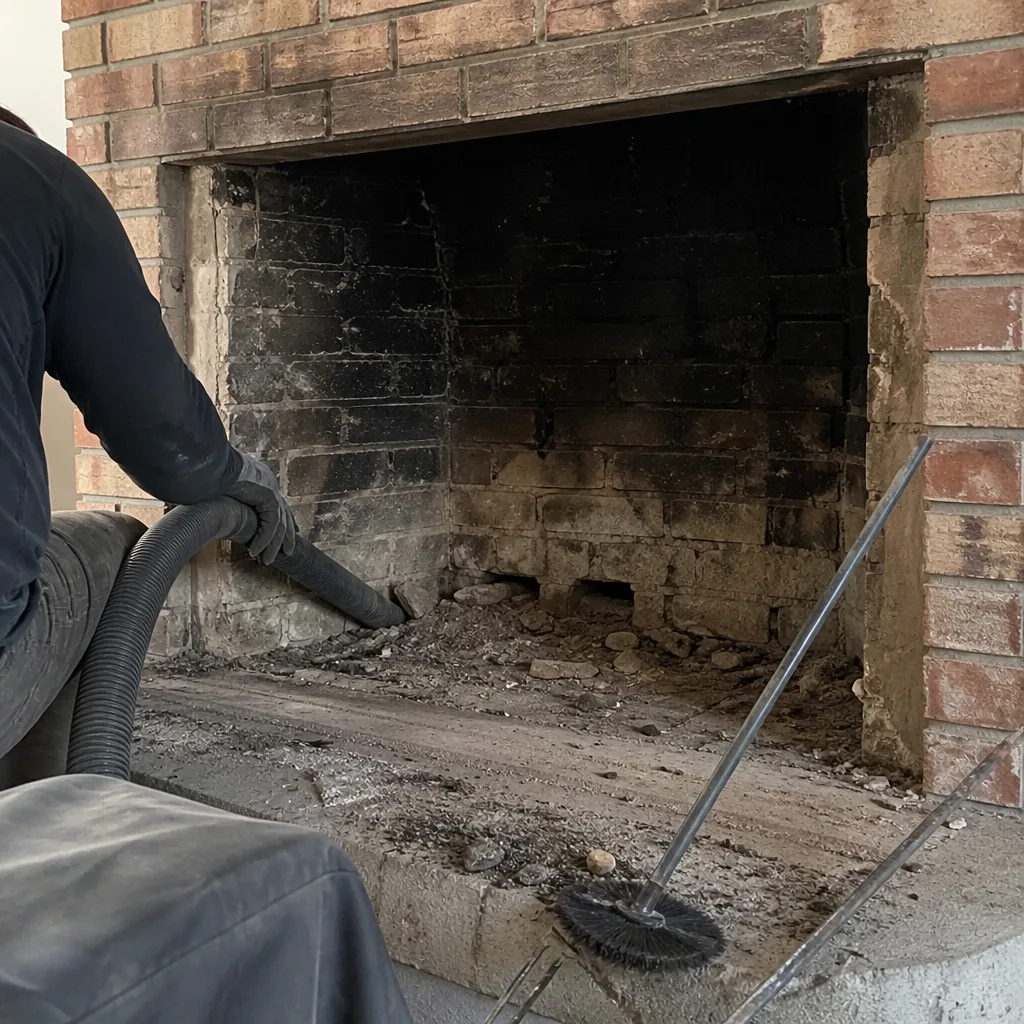 Before
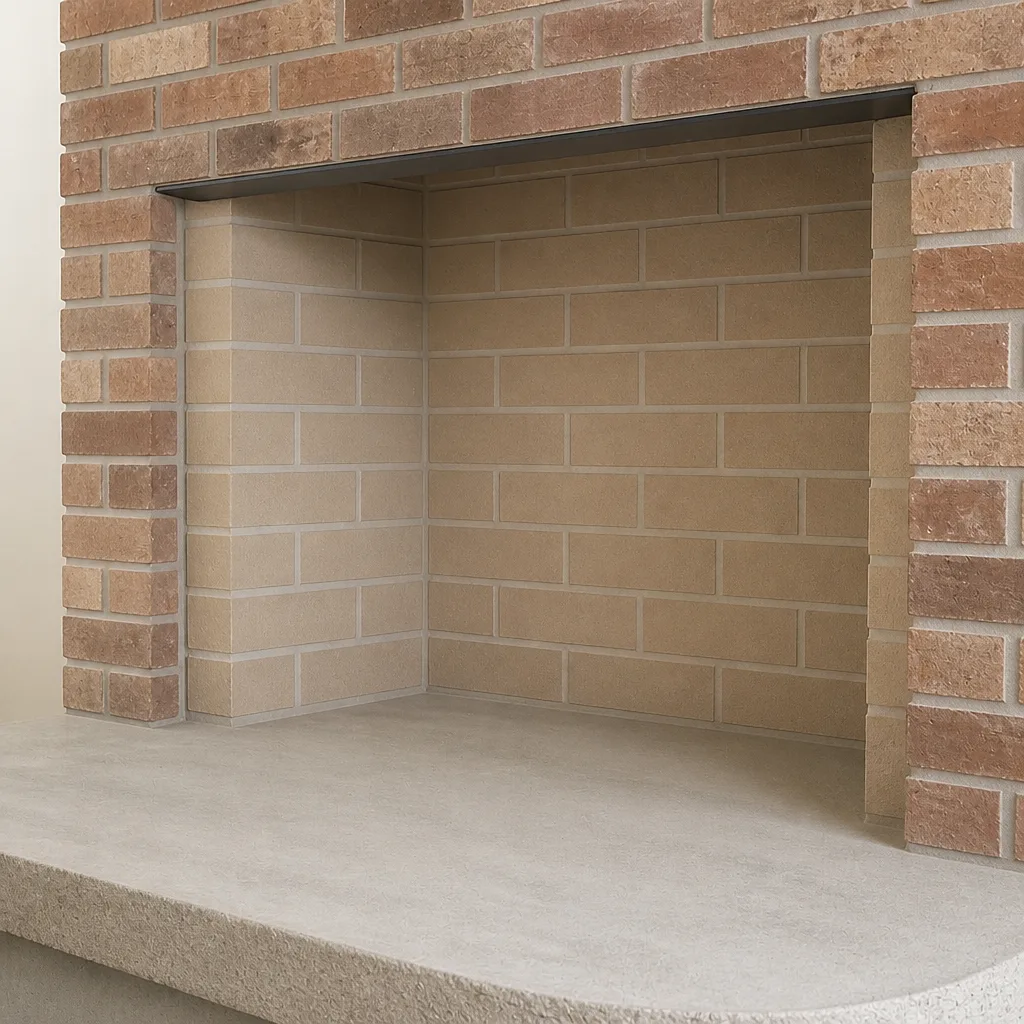 After
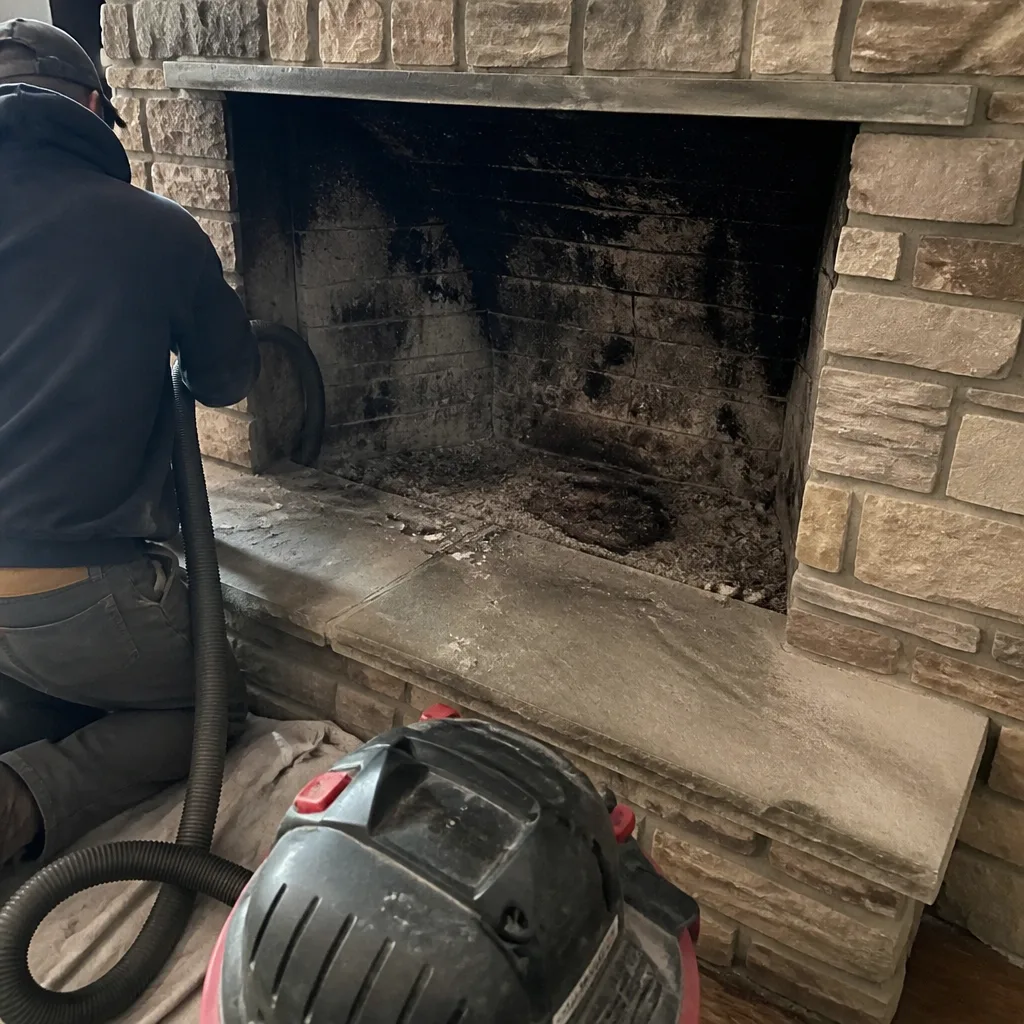 Before
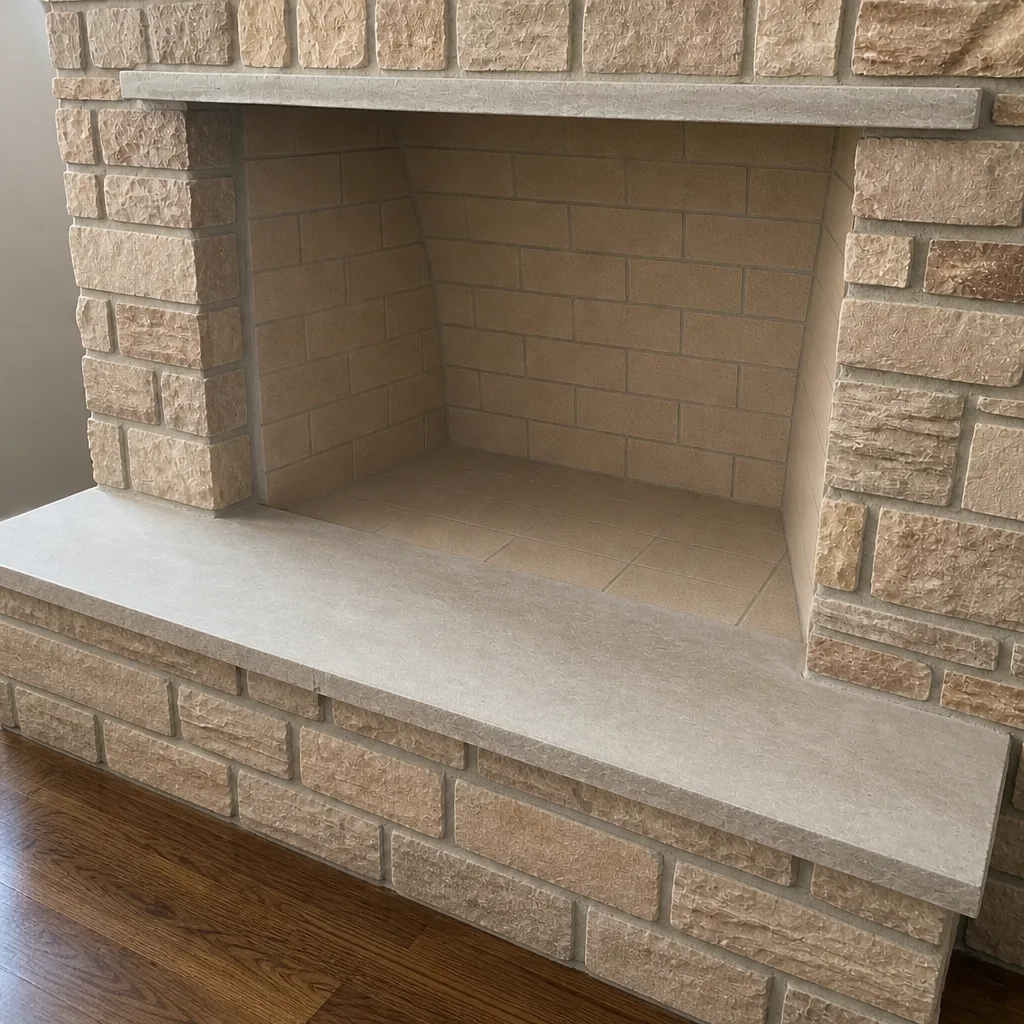 After
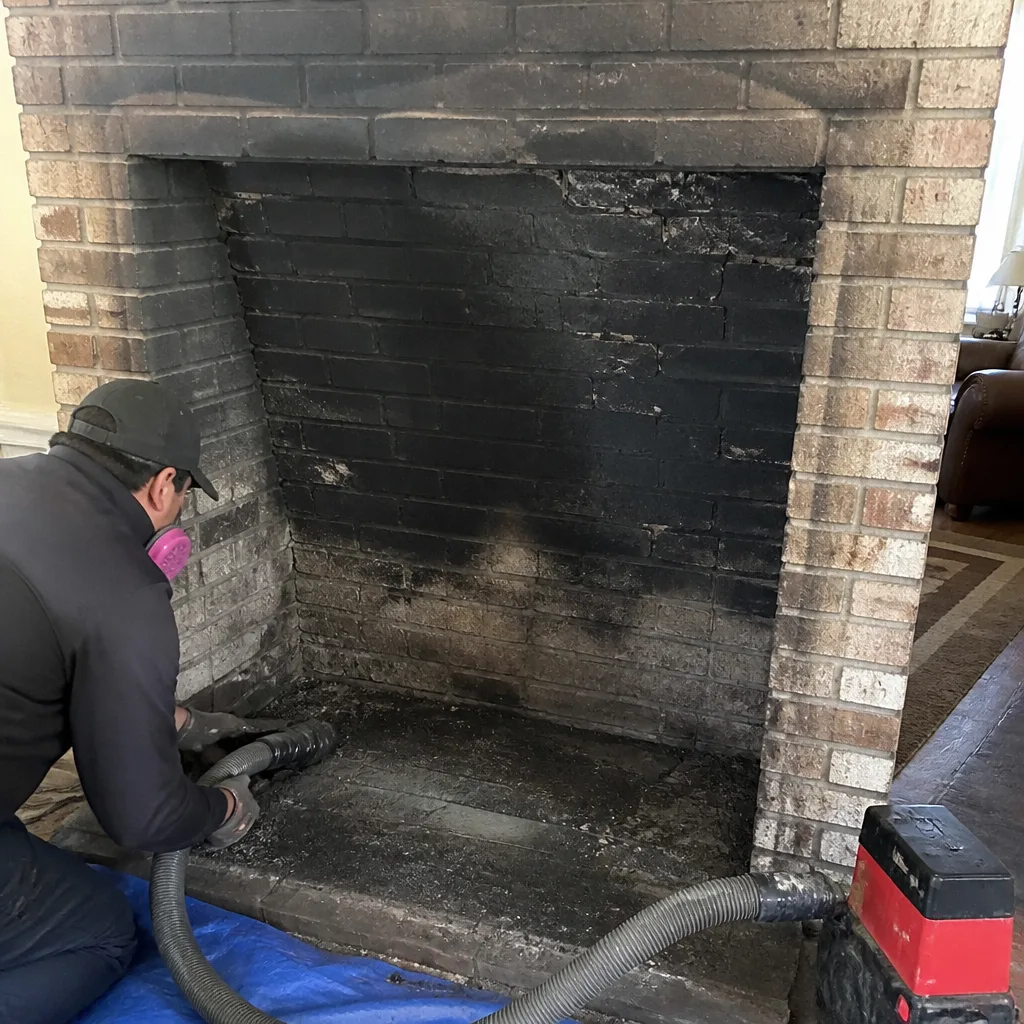 Before
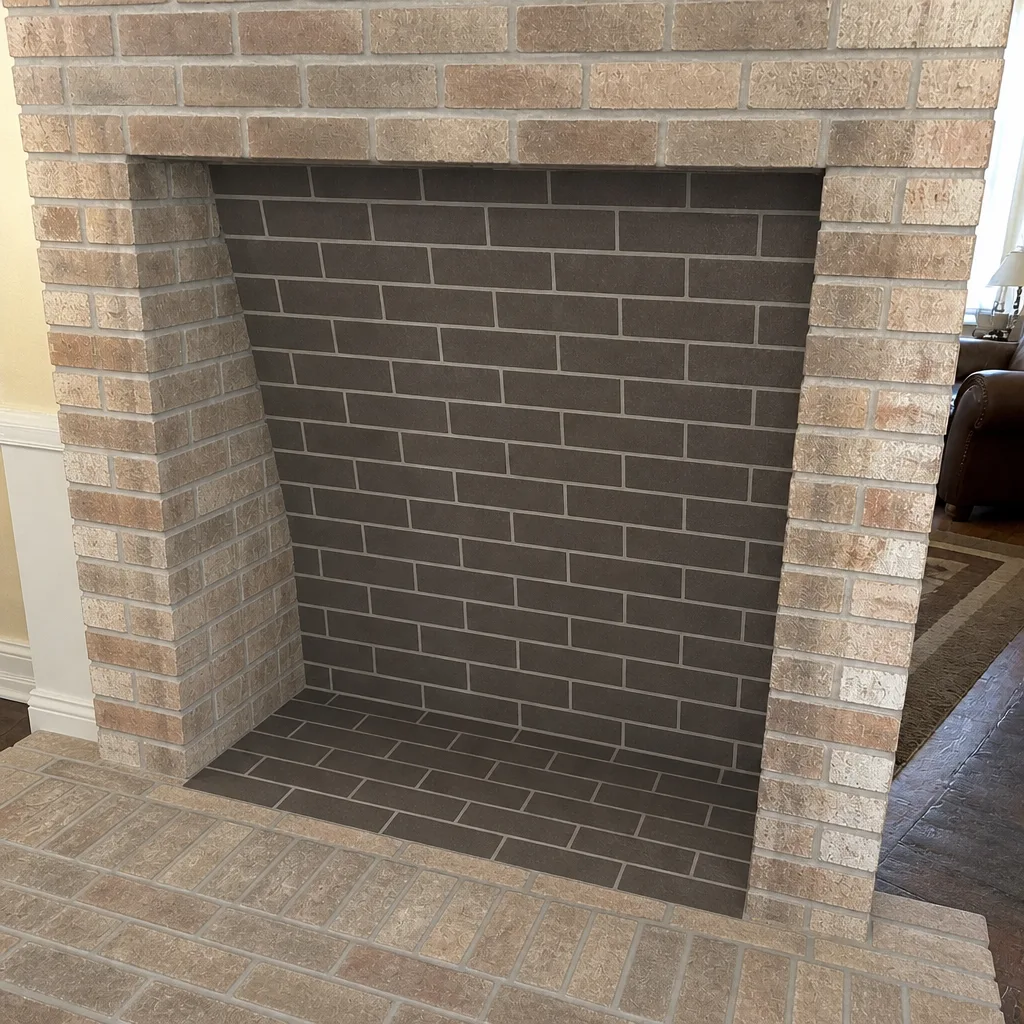 After
When to Call a Professional
Chimney work involves fire, carbon monoxide, and structure above your head, and it’s not a do-it-yourself category. Call a professional when you’re buying or selling a home and need a Level 2 inspection; when a liner, crown, or firebox repair is being proposed and you want to know whether a permit is required; when you’re not sure if a repair you inherited was permitted; when you smell smoke in the house or see signs of water entry at the chimney; or when you simply don’t know the last time the chimney was swept. The first visit is about evidence. We tell you what we find, show you the photos, and quote the fix before we touch anything. Chimney Sweep Spanish Fork offers free estimates in Spanish Fork – call (877) 492-4380.
Frequently Asked Questions
No. Routine chimney sweeping in Spanish Fork does not require a permit because it’s maintenance, not construction. The permit question only comes up when the work changes the chimney’s structure – a new liner, flue resurfacing, a crown rebuild, or firebox masonry repair – which falls under Utah Residential Code Section R1003. If you’re unsure which side of that line your job sits on, call Spanish Fork City’s building department and ask. Call (877) 492-4380 for an exact quote on the inspection – estimates are free.
Your chimney professional performs a Level 2 inspection, following NFPA 211, because that’s the standard recommended when a property changes hands. Spanish Fork City’s building department is a separate entity that inspects permitted construction work, and a passed city inspection does not take the place of a chimney safety inspection. Get the Level 2 with a photo report before the sale closes. Call (877) 492-4380 to book one – estimates are free.
It matters if the buyer or their agent pulls the city’s permit history and finds a liner replacement with no matching permit. That creates a disclosure question and usually a negotiation, and the seller ends up answering for work they may not have ordered. Unpermitted crown work is harder to spot but shows up later as recurring water damage. If you’re unsure about work done before you owned the home, a Level 2 inspection and a permit-history check are the two things to do. Call (877) 492-4380 to talk through your situation – estimates are free.
Often, yes – the documentation from a Level 2 inspection, with photos and camera footage, is what an insurance company typically wants after a chimney fire, an appliance change, or a fuel-type change. But that report doesn’t replace a building permit. If the repair work is structural, Spanish Fork City still requires a permit. Do both, in parallel. Call (877) 492-4380 for an inspection and a clear picture of what’s actually required – estimates are free.
An annual sweep plus a Level 1 inspection is the typical answer for a chimney in regular seasonal use. The winter inversions in Utah Valley mean fires burn slower and cooler on some days, and cooler flue gases condense onto the liner and build creosote faster, so use matters as much as frequency. A chimney used only for the occasional fire can go longer between sweeps. When in doubt, get the inspection and let the evidence guide the schedule. Call (877) 492-4380 – estimates are free.
Skip the inspection and you may never find out your flue is damaged until something goes wrong – a chimney fire, water damage, or CO entering the house. Skip the permit on structural work and you inherit a liability that follows the property, shows up at resale, and can mean the work is rejected by a future buyer’s inspector. Neither is worth the short-term savings. Our technicians have up to 9 years of experience, and the first thing we do is show you what we find. Call (877) 492-4380 for an exact quote – estimates are free.
The Bottom Line
The permit question in Spanish Fork comes down to one split: cleaning is maintenance and needs no permit, while structural work on your liner, crown, or firebox falls under Utah Residential Code R1003 and generally does. A sweep’s NFPA 211 inspection and a Spanish Fork City code inspection are different tools that serve different purposes, and passing one doesn’t satisfy the other. Unpermitted work can sit quietly for years and then surface at resale, and it’s the homeowner who answers for it. Get the inspection, ask the permit question before work starts, and make sure the crown and cap get addressed with the rest. That’s the whole thing.
If you want to know where your own chimney stands, get the evidence first. We use professional-grade materials – HeatShield, Olympia Chimney, and the rest of our contractor lines – and we quote before we touch anything. Call (877) 492-4380 for a free estimate. We answer 24/7. Fast dispatch from 7am to 7pm, Sunday through Friday.
Written by the team at Chimney Sweep Spanish Fork.