
Last updated November 24, 2026
 Sweep & inspection
 Caps & crowns
 Flue relining
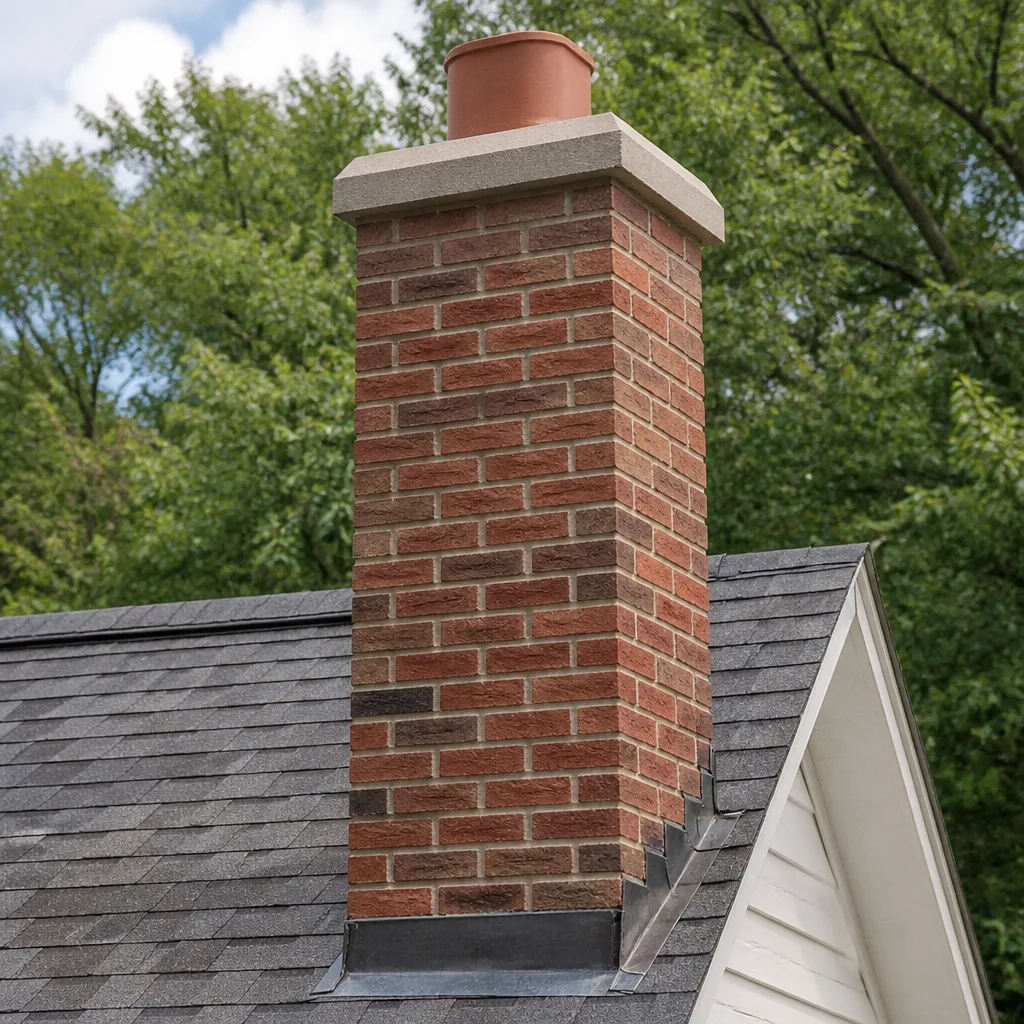 Masonry repair
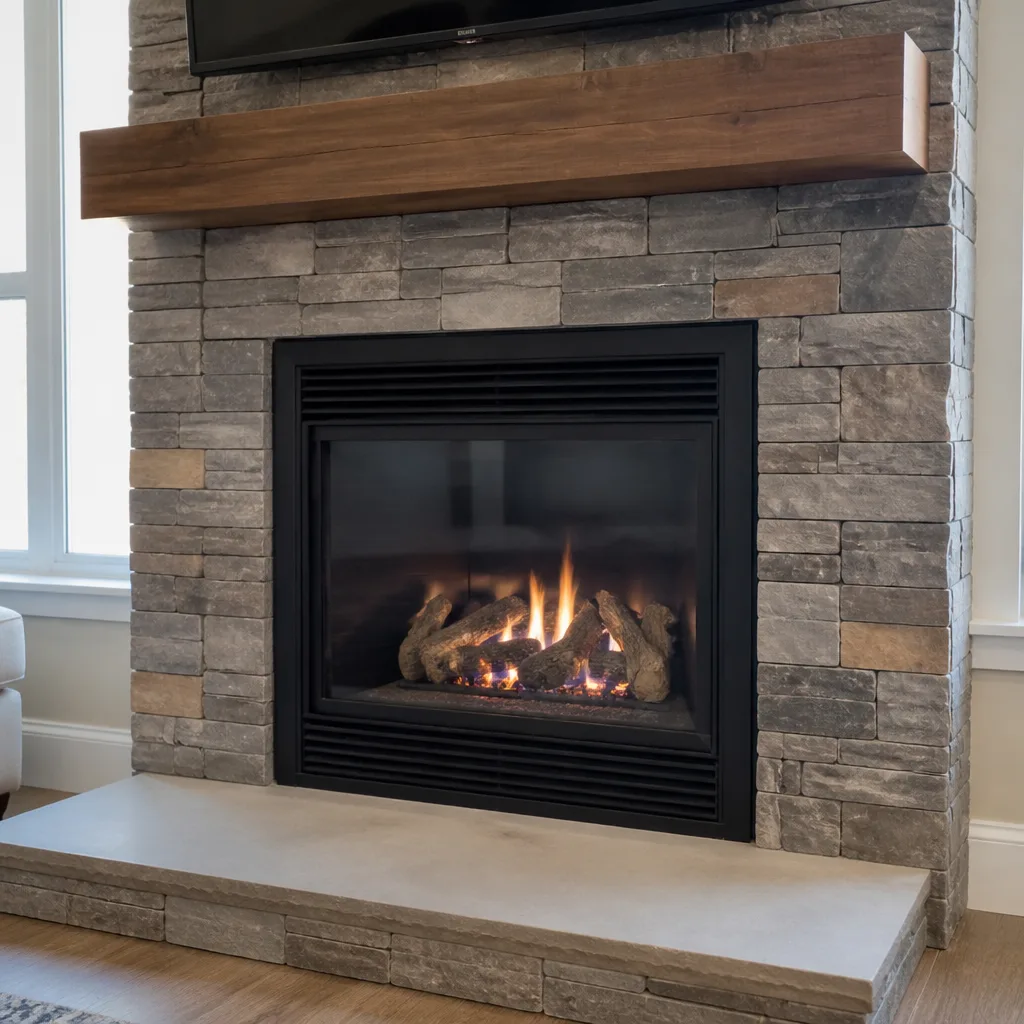 Gas fireplace service
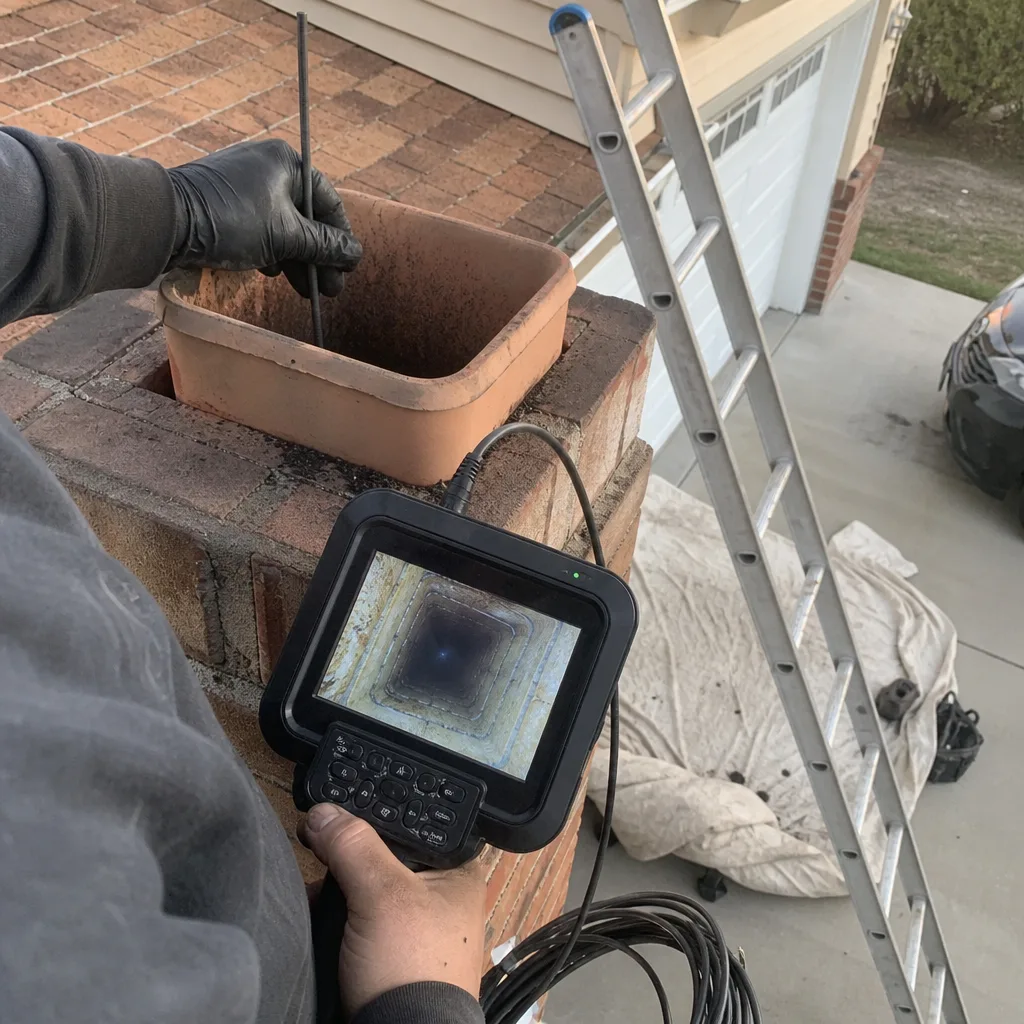
Level 1 sweep and inspection to the NFPA 211 annual standard - flue, crown, cap, and flashing checked and photographed
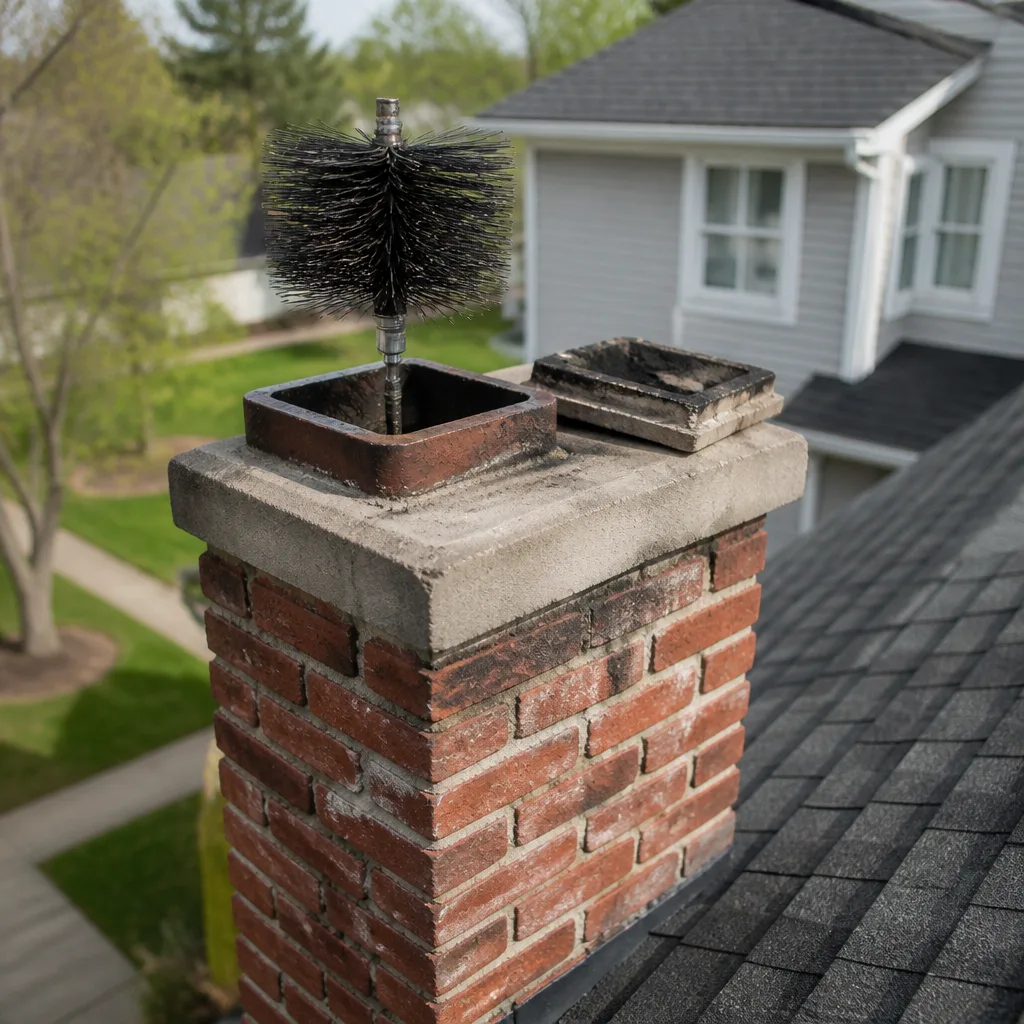
Chimney sweep logs do not sweep chimneys. They loosen some creosote - which then falls where a brush and vacuum still have to collect it.
Chimney Sweep Maintenance Checklist for Spanish Fork Homeowners
Most chimney problems don’t announce themselves during a January cold snap. They show up in two quiet windows: the first cold night of October, when a system that sat idle all summer gets its first real fire, and the week after the last burn of spring, when the flue closes down for months. Those two moments are where we see the most avoidable damage. Spanish Fork’s burn season, roughly October through March, followed by a long stretch of complete dormancy, doesn’t just pause chimney wear. It introduces failure points a generic checklist misses, from animals moving into a quiet flue to mortar joints shifting with heat expansion and spring freeze-thaw. This guide walks through what to check before the season starts, during it, and after it ends, and it’s honest about which checks you can handle yourself and which need a trained eye.
Quick Answer
A complete chimney maintenance checklist for Spanish Fork has three phases: a pre-season sweep and inspection before the first fire, mid-season visual and draft checks you can do yourself, and post-season moisture and cap checks before spring freeze-thaw sets in. The single most important item is a professional sweep and inspection each fall, because creosote buildup and hidden flue damage are the two things most likely to cause a chimney fire.
Styles & brands we work with
- Sweep & inspection
- Caps & crowns
- Flue relining
- Masonry repair
- Gas fireplace service
Table of Contents
- Why Spanish Fork Chimneys Age Differently
- Pre-Season Checklist: Before the First Fire
- Mid-Season Indicators You Can Check Yourself
- Post-Season Tasks: Protecting Against Spring Freeze-Thaw
- Liner-Specific Checkpoints by Type
- What You Can Self-Assess vs. What Needs a Pro
- Structural, Cap, and Crown Checkpoints
- Your Annual Timeline at a Glance
Why Spanish Fork Chimneys Age Differently
A chimney in Spanish Fork doesn’t wear out the way one does in a climate with steady, year-round use. Here, the fireplace runs hard for about six months and then sits entirely dormant. That on-off pattern stresses a masonry chimney in specific ways.
During the burn season, the firebox and flue heat up and cool down with every fire. Clay tile liners and mortar joints expand as they warm and contract as they cool. Over a season of regular burning, small cracks can open at the mortar joints, especially where the flue is oldest. That’s ordinary movement, but it’s cumulative, and it’s why a flue that passed inspection one year can show hairline cracks the next. We’ve learned to check the joints closely on systems that burn hot and often.
Then the season ends. From roughly April through September, the chimney is idle and exposed. Spanish Fork sits in a valley that gets real temperature swings in spring. Water soaks into masonry, then freezes overnight, then thaws by afternoon. Freeze-thaw is hard on any porous material, and masonry is porous. A crown with a hairline crack in July becomes a bigger crack by the next spring. Water that gets into the flue and freezes can spall the tile face. This is the mechanism behind a lot of the damage homeowners assume is just “old chimney.”
The dormant months also invite animals. A flue with no cap is an open, dry, sheltered column, and birds, squirrels, and raccoons find it. Nests block flues and create draft problems. None of this shows up until the first fire of the season, which is why the pre-season check matters so much. Getting a chimney sweep and inspection done before the first fire catches these issues while the weather’s still mild and the calendar is open.
Pre-Season Checklist: Before the First Fire
The pre-season window is the most important one. Do these items in late September or early October, before you light the first fire of the year, so any problem gets found and fixed on a comfortable schedule rather than in the middle of the first cold week.
- Get a professional sweep and inspection. This is the foundation of the whole checklist. A sweep removes creosote and soot buildup; an inspection checks the flue, firebox, damper, and cap. Do this before the first fire, every year you burn regularly.
- Check for animal intrusion. If the chimney sat dormant all summer with no cap or a damaged cap, look and listen. A nest in the flue blocks draft and is a fire hazard. A sweep catches this, but so does a quick look in from the firebox with a flashlight if you can see up the flue.
- Inspect the firebox and damper by eye. Look for loose brick, crumbling mortar, or a damper that doesn’t open and close smoothly. A damper stuck partway is a draft and smoke problem waiting to happen.
- Look at interior mortar joints. Heat expansion over the prior season can loosen joints where the flue meets the firebox. If you see gaps or powdery mortar, note it for the inspector.
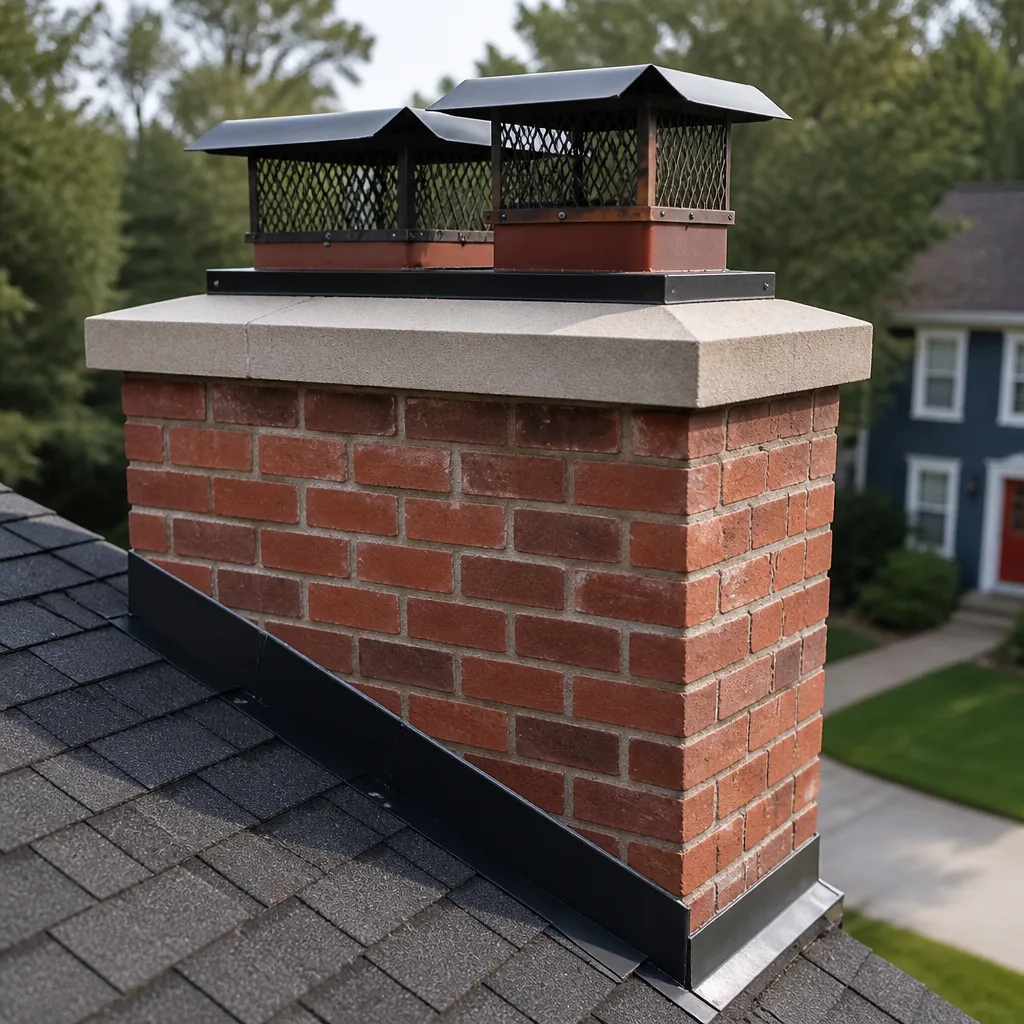
- Confirm the cap is intact. The cap is what kept animals and rain out all summer. If it’s missing, rusted through, or loose, that’s a repair to make before burning.
- Clear the firebox and hearth. Remove old ash and any debris. Check that the hearth is clear of anything combustible.
Most of these are quick, but the sweep and inspection is the one that carries the weight. We handle the sweep, inspection, cap and crown, and repair in one visit, so you’re not coordinating three different people. In our experience, catching a cracked crown or a loose cap in October saves a much larger repair come spring.
Mid-Season Indicators You Can Check Yourself
Once you’re burning regularly, you don’t need tools to catch most developing problems. Your senses pick up the signals first: how the fire draws, how the room smells, what the firebox looks like. These mid-season indicators tell you whether the system is working and whether something’s changed since the fall inspection.
- Draft performance. Does smoke roll out into the room when you light a fire, or does it pull steadily up the flue? A fire that used to draw well and now smokes back is a signal. It can mean a partial blockage, a damper issue, or a change in the flue.
- Odor profile. A faint smoky smell when the fire is out is normal. A strong creosote smell, or a smell that’s stronger than it used to be, can point to heavy buildup or a draft problem. A sharp, acrid odor deserves a call.
- Firebox visual cues. Glance at the firebox walls after a fire cools. New cracks in the brick or mortar, or white, powdery staining, are worth flagging. Staining on the outside of the chimney or on the ceiling near it is a moisture or venting signal that needs a professional look.
- Creosote texture in the flue. If you can safely see up the flue with a flashlight, heavy, glossy, tar-like creosote is the kind that burns hottest. Flaky, sooty creosote is less urgent but still a reason to sweep.
- Smoke from the top. From outside, healthy smoke rises steadily from the cap. Smoke that lingers, spills sideways, or comes out slowly can signal poor draft or blockage.
These checks take a minute or two and don’t replace an annual inspection. They’re an early-warning system. When one of them changes, that’s your cue to call rather than wait for the spring.
Post-Season Tasks: Protecting Against Spring Freeze-Thaw
The spring window is where Spanish Fork chimneys quietly lose ground. After the last fire of the season, the system enters months of dormancy right as the valley moves into freeze-thaw weather. What happens to an exposed, damp chimney between April and June determines how much repair work you face next fall.
- Do a final sweep if you burned heavily. A heavy burn season leaves creosote in the flue. Left over the summer, it sits against the flue walls through the damp months. A late-spring sweep clears it before dormancy.
- Check the crown for cracks. The crown is the concrete or masonry surface on top of the chimney. Hairline cracks let water in, and freeze-thaw widens them. This is the most common water-intrusion source we see, and it’s easy to miss from the ground.
- Confirm the cap and its screen. A cap that survived winter may still have a torn screen or loosened fasteners. Spring is the time to fix it, before animals find the opening.
- Look for water staining. Check the chimney’s exterior and the ceiling and walls near it inside for staining or discoloration. That’s your first clue that water is getting past the crown or flashing.
- Close the damper and seal the firebox. With the season over, close the damper to keep out animals and moisture. Don’t seal the firebox completely; you want the chimney to breathe, but keep the flue closed to the outside.
- Note any spalling or flaking masonry. If the brick or mortar on the exterior is flaking or chalky, note it. That’s the freeze-thaw damage showing up, and it’s easier to address in the mild months.
A chimney cap isn’t an upsell. It’s the reason repairs last. The cap and the crown together keep out the water and animals that undo everything else, and we install both in-house so there’s no gap between the diagnosis and the fix.
Liner-Specific Checkpoints by Type
The flue liner is the part of the chimney that actually contains the smoke and protects the surrounding structure. Not all liners are the same, and each type has its own checkpoints. Knowing which liner you have changes what to watch.
Clay tile liner
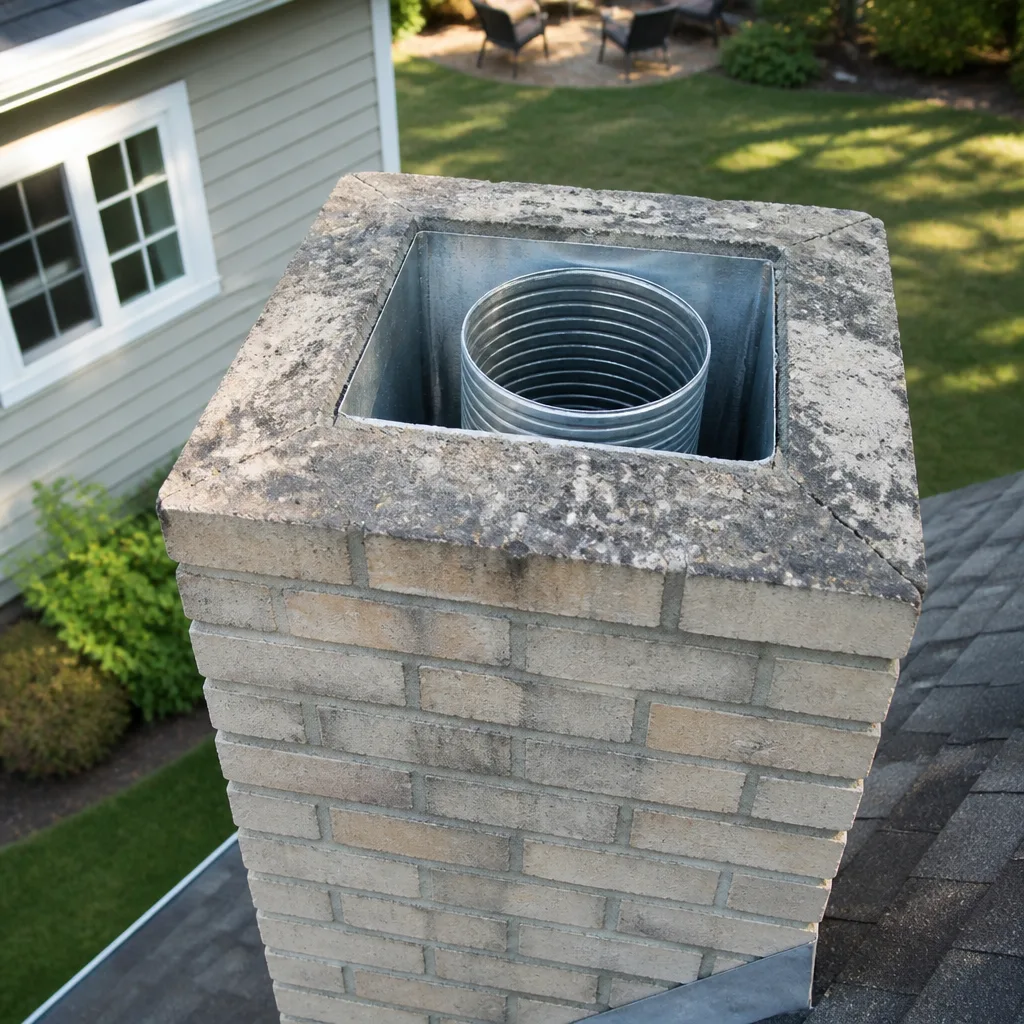
Clay tile is the traditional liner in older homes. It’s durable but brittle. The checkpoints are cracked or spalled tiles, gaps at the joints between tiles, and missing pieces. A cracked tile lets heat and gases reach the structure behind it, so this matters. Our technicians look at every joint on a tile liner. When the tile is damaged, HeatShield resurfacing lets us restore the flue in place, rebuilding the damaged sections without tearing out the existing liner.
Stainless steel flex liner
A stainless flex liner is a continuous, flexible pipe. The checkpoints are corrosion, separations at the seams, and proper connection at the top and bottom. Older or irregular chimneys often need a flexible liner because rigid systems won’t fit. DuraFlex flexible liner systems let us install a proper liner where standard rigid systems fail, which is a real advantage on Spanish Fork’s older and irregular chimneys.
Cast-in-place liner
A cast-in-place liner is poured around the flue to form a solid, seamless surface. The checkpoints are cracks, surface spalling, and separation at the top where it meets the crown. Cast-in-place is durable, but it still needs inspecting for surface damage after a hard burn season.
Whichever liner you have, the annual inspection is what catches liner trouble. A homeowner can spot symptoms from the firebox, but confirming the liner’s condition needs a camera and a trained eye. That’s the whole point of the sweep and inspection.
What You Can Self-Assess vs. What Needs a Pro
Not every checklist item requires a professional, and pretending otherwise wastes your money. But some items are genuinely dangerous or impossible to check without tools, and those belong to the pro. Here’s the honest split.
You can legitimately self-assess:
- Firebox visual condition, including loose brick and crumbling mortar
- Damper operation, opening and closing smoothly
- Smoke and draft behavior at the firebox
- Odor changes during the season
- Cap and crown condition from the ground, if safely visible
- Exterior water staining
These need a professional:
- Creosote removal and a full flue sweep
- Liner inspection, which requires a camera and a trained eye
- Chimney fire damage assessment
- Crown and cap repair or replacement, which involves roof access and height
- Any work on the flue interior, mortar joints, or liner
- Anything involving the roof or chimney top, which is height work
The line is simple: if it involves climbing, reaching into the flue, or judging the liner, it’s a professional’s job. Height work and flue work carry real risk, and a trained technician with the right equipment handles both safely. For the rest, a quick look at the firebox and damper costs nothing and tells you when something has changed.
Structural, Cap, and Crown Checkpoints
The structure around the flue, meaning the cap, crown, flashing, and masonry, is what keeps water out and the liner protected. This is the part of the system homeowners most often overlook, and it’s the source of most of the water damage we see in Spanish Fork.
- Crown: Look for cracks, missing chunks, and separation from the flue. A cracked crown lets water run down into the masonry. This is the number one water-intrusion source.
- Cap: Check that it’s present, secure, and that the screen is intact. A missing or damaged cap lets in animals and rain.
- Flashing: Where the chimney meets the roof, flashing seals the joint. Lifted or rusted flashing lets water in at the roofline.
- Masonry and mortar: Flaking brick, chalky mortar, and white staining all point to moisture. Freeze-thaw damage shows here first.
- Chimney top: A chimney that leans or has loose courses needs a structural look.
When a homeowner calls us for a chimney repair, we start with the camera and a photo report, so the recommendation is something you can see for yourself. We tell you what we find and quote the fix before we touch anything. If a crown repair can safely wait a season, we say so. We don’t recommend thousands of dollars of work you can’t verify.
The crown and cap are also where we use contractor-grade materials. We work with professional-tier brands including Copperfield and Gelco, not the hardware-store alternative, because the materials are what make the repair last through another Spanish Fork freeze-thaw year.
Your Annual Timeline at a Glance
The checklist is easier to follow when you map it to the calendar. Here’s the annual rhythm for a Spanish Fork home that burns regularly from fall through spring.
- Late September to early October: Professional sweep and inspection, animal and cap check, firebox and damper review. Get it done before the first fire.
- October through March (burn season): Mid-season checks. Watch draft, odor, and firebox appearance. Note any change from the fall inspection.
- April, after the last fire: Post-season sweep if you burned heavily, damper closed, firebox sealed.
- April through June (freeze-thaw window): Crown, cap, flashing, and masonry checks. Catch water intrusion before it widens.
- Summer: Idle season. Keep the cap intact and note anything you see for the fall inspection.
One professional visit a year, timed to the fall, covers the items that matter most. The rest is a few minutes of looking and listening, and knowing when to call. That puts the checklist within reach of any homeowner, whether you’re near the Spanish Fork River or on the bench east of town.
Common Mistakes to Avoid
- Waiting until the first cold week to schedule a sweep. That’s when everyone else in Spanish Fork calls too. Book the fall sweep in September, before the first fire, so it’s done on a calm schedule.
- Skipping the post-season check. The spring freeze-thaw window does more damage than the burn season for an uncapped, cracked chimney. April is the time to look.
- Ignoring a cracked crown because the fire still draws. Draft can be fine with a cracked crown, but water is still getting in. Fix the crown before freeze-thaw widens it.
- Assuming a steel liner never needs inspection. Stainless flex liners can corrode or separate. The annual inspection checks the liner, no matter the type.
- Letting the cap go. A missing cap is an open door for animals and rain. It’s the cheapest item on the checklist and the one that prevents the most damage.
- Treating the dormant months as a break from chimney care. The dormant months are when animals and moisture do their damage. The pre- and post-season checks are where a Spanish Fork checklist earns its keep.
- Trusting a sweep that cleans but doesn’t inspect. A sweep without an inspection misses liner cracks and crown damage. You want one visit that covers both.
See the difference
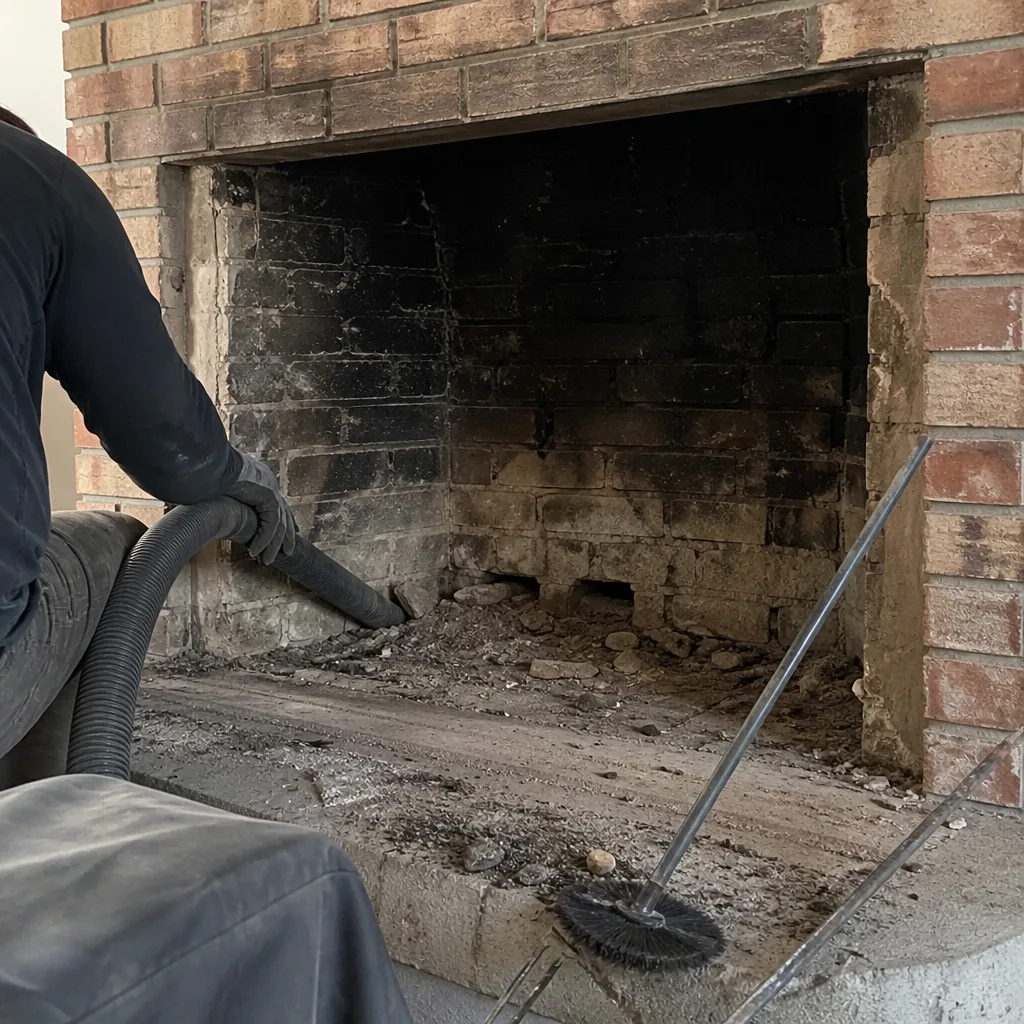 Before
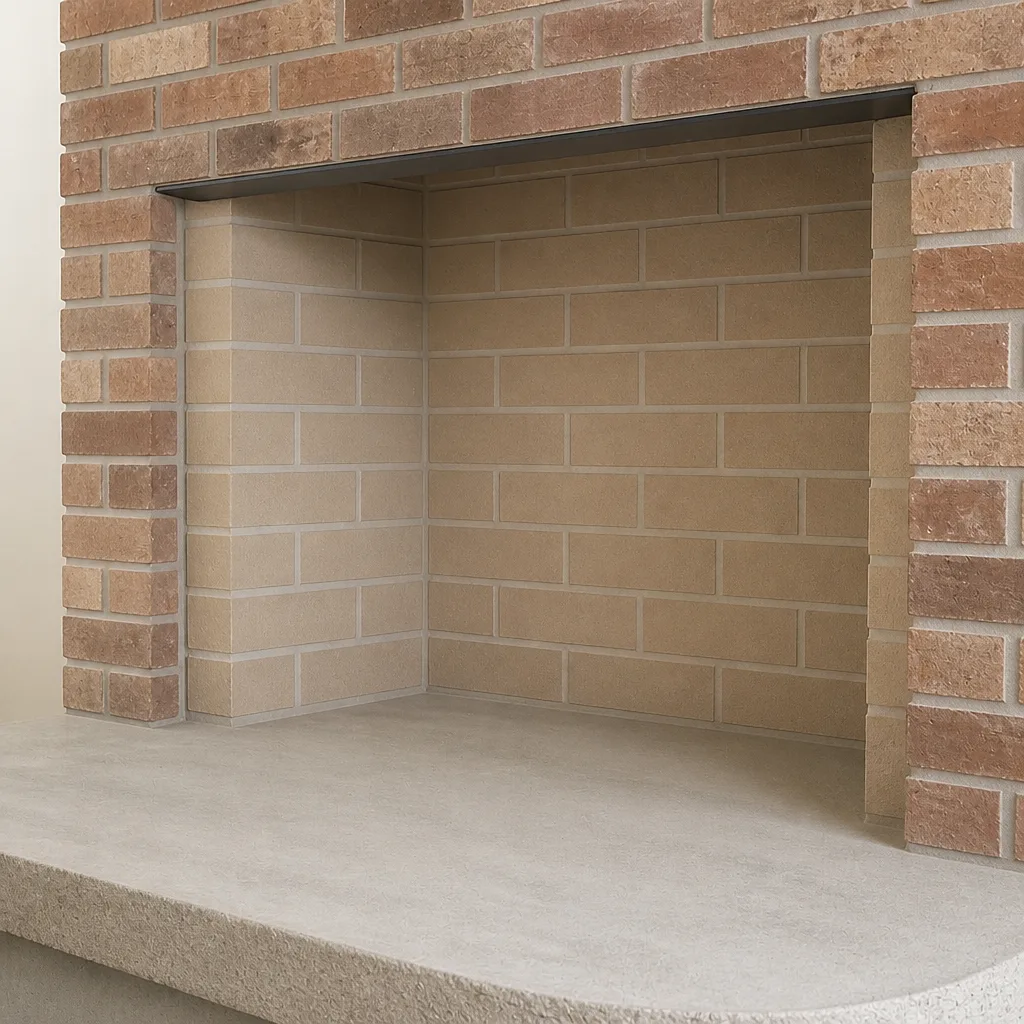 After
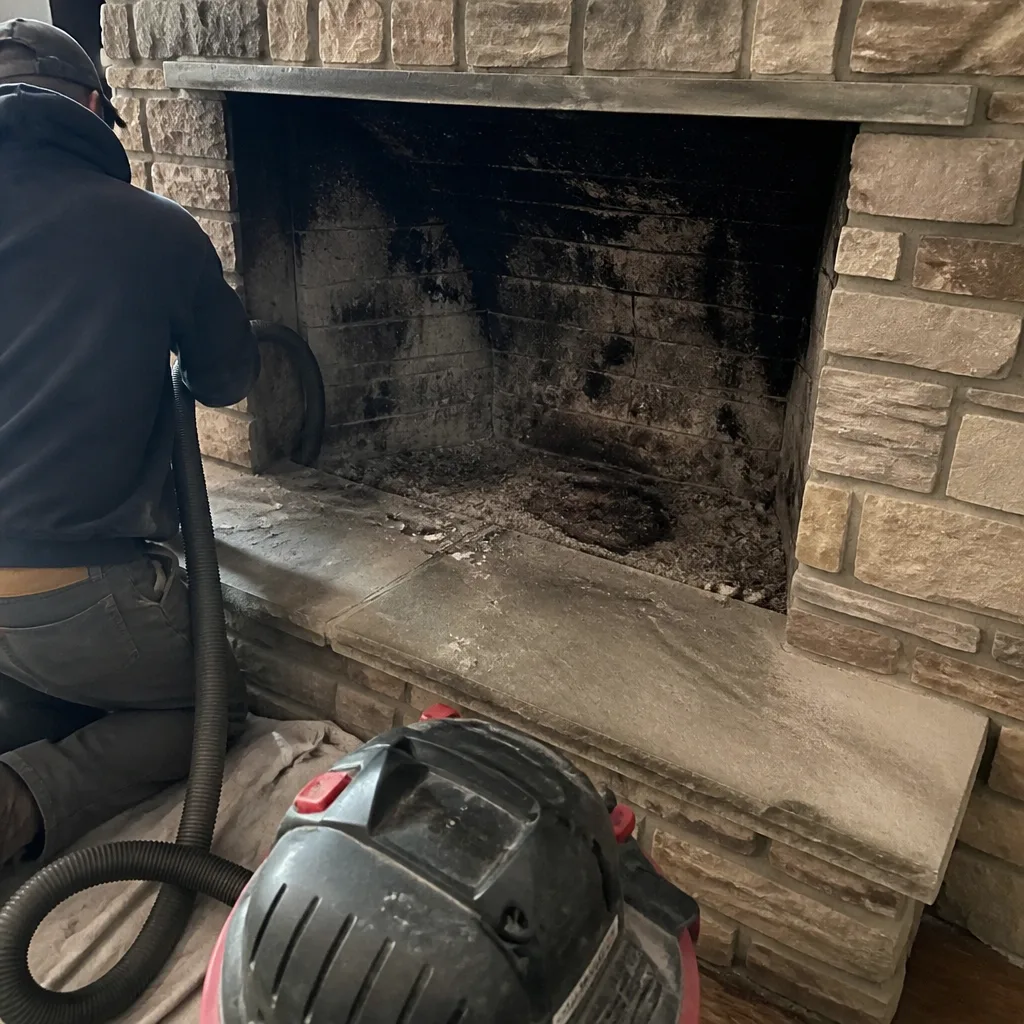 Before
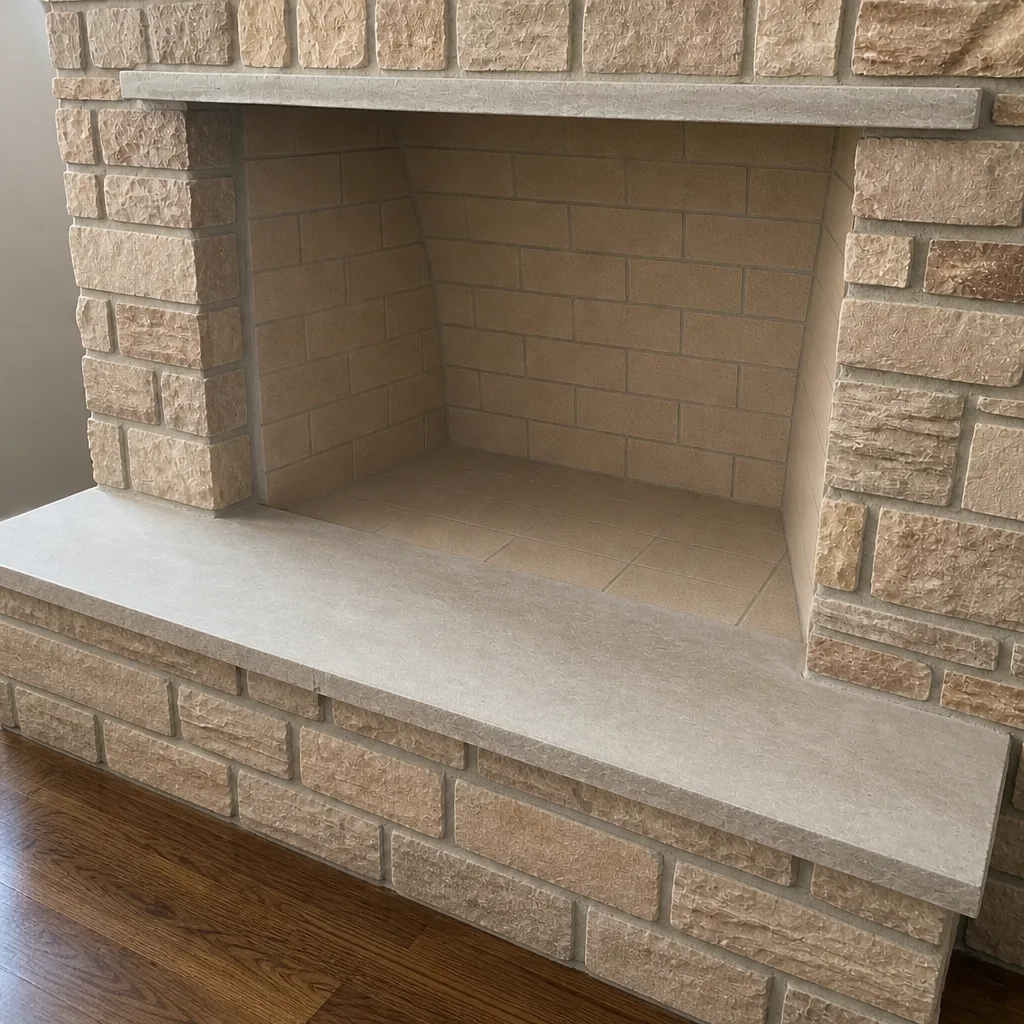 After
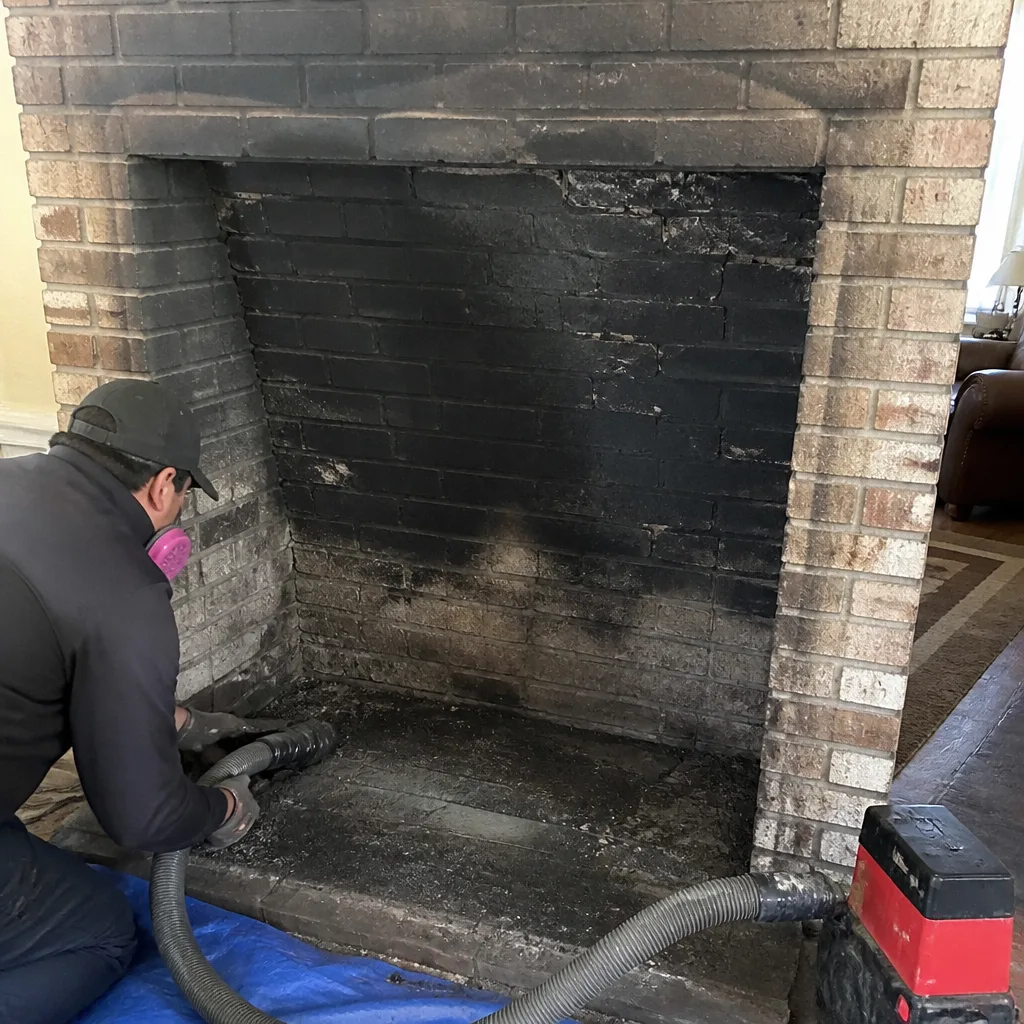 Before
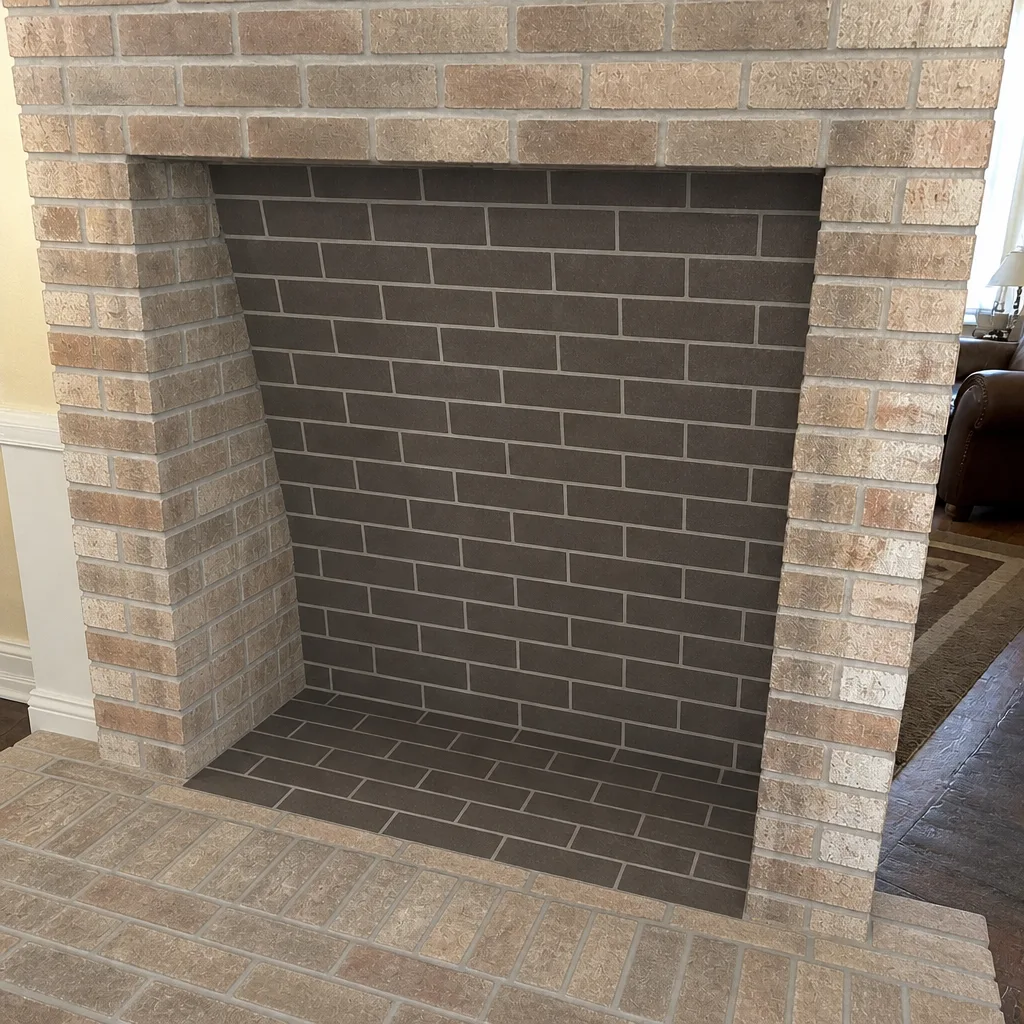 After
When to Call a Professional
Call a professional when you see a change you can’t diagnose with your own eyes. Smoke rolling into the room, a strong creosote smell, new cracks in the firebox or flue, water staining on the ceiling or exterior, or a flue with an unknown amount of buildup all warrant a visit. Any sign of a chimney fire, including a loud roar or a popped flue, means call before you burn again. A missing or damaged cap and a cracked crown also belong to the pro. Chimney Sweep Spanish Fork offers free estimates in Spanish Fork. Call (877) 492-4380. We answer 24/7 with fast dispatch from 7am to 7pm, Sunday through Friday. The local pro is licensed and insured as their state requires, and the price is set per job by the written estimate, so you know the cost before anything is touched.
Frequently Asked Questions
Once a year for a home that burns regularly through the fall and winter. A system that burns hot and often builds creosote faster, so an annual sweep before the first fire is the baseline. If you burn a lot of green or unseasoned wood, or you notice heavy buildup, a mid-season or late-spring sweep may be worth it too. Call (877) 492-4380 to book a sweep and free estimate.
You lose the early warning that catches liner cracks, crown damage, and creosote buildup before they become expensive. A cracked crown lets water in through freeze-thaw, and a liner crack lets heat reach the structure. Neither is visible from the firebox. Skipping a year isn’t automatically a disaster, but you’re betting that nothing changed, which isn’t a bet worth making. Call (877) 492-4380 to get on the fall schedule.
Yes, if your chimney is open at the top. The cap keeps out rain, snow, birds, and squirrels during the dormant months. Without one, a flue fills with water and debris, which damages the liner and blocks draft. A cap is the cheapest item on the checklist and the one that prevents the most damage. Call (877) 492-4380 and we’ll quote a cap and install it.
Every chimney is different, so the price is set per job by a written estimate rather than a flat number over the phone. The estimate is free, and you see the price before any work starts. Heavy creosote, difficult access, and repair work add to the cost; a standard sweep and inspection is the base. Call (877) 492-4380 for an exact quote, and estimates are free.
You can do the mid-season checks yourself, like watching draft and odor and looking at the firebox and damper. A full flue sweep and liner inspection are a different matter. That’s height work and flue work, and it needs a trained technician with the right equipment. We don’t recommend homeowners sweep or inspect the flue themselves. Call (877) 492-4380 to book a sweep and inspection.
Smoke spilling into the room, a strong creosote odor, new cracks in the firebox or flue, water staining near the chimney, or any sign of a chimney fire. A missing or damaged cap also warrants a call. These are changes from the fall inspection, and each one is worth diagnosing now rather than after the season. We answer 24/7. A call outside dispatch hours is booked into the next opening, Sunday through Friday, 7am to 7pm. Call (877) 492-4380.
The Bottom Line
A chimney checklist for Spanish Fork isn’t the same as a checklist for a place that burns year-round. The burn season stress, followed by a dormant season and freeze-thaw, means the pre-season and post-season windows do the most work. Get a professional sweep and inspection before the first fire. Do the mid-season checks yourself, watching draft, odor, and firebox cues. Do the post-season crown, cap, and moisture checks before freeze-thaw sets in. Know which items belong to you and which belong to a trained technician. Do that, and you’ll catch most chimney problems in the calm months. Chimney Sweep Spanish Fork handles the sweep, inspection, repair, fireplace work, and cap and crown in one company, using contractor-grade materials including HeatShield and DuraFlex where the repair calls for them. Call (877) 492-4380 for a free estimate. We answer 24/7.
Written by the team at Chimney Sweep Spanish Fork.