
Last updated November 24, 2026
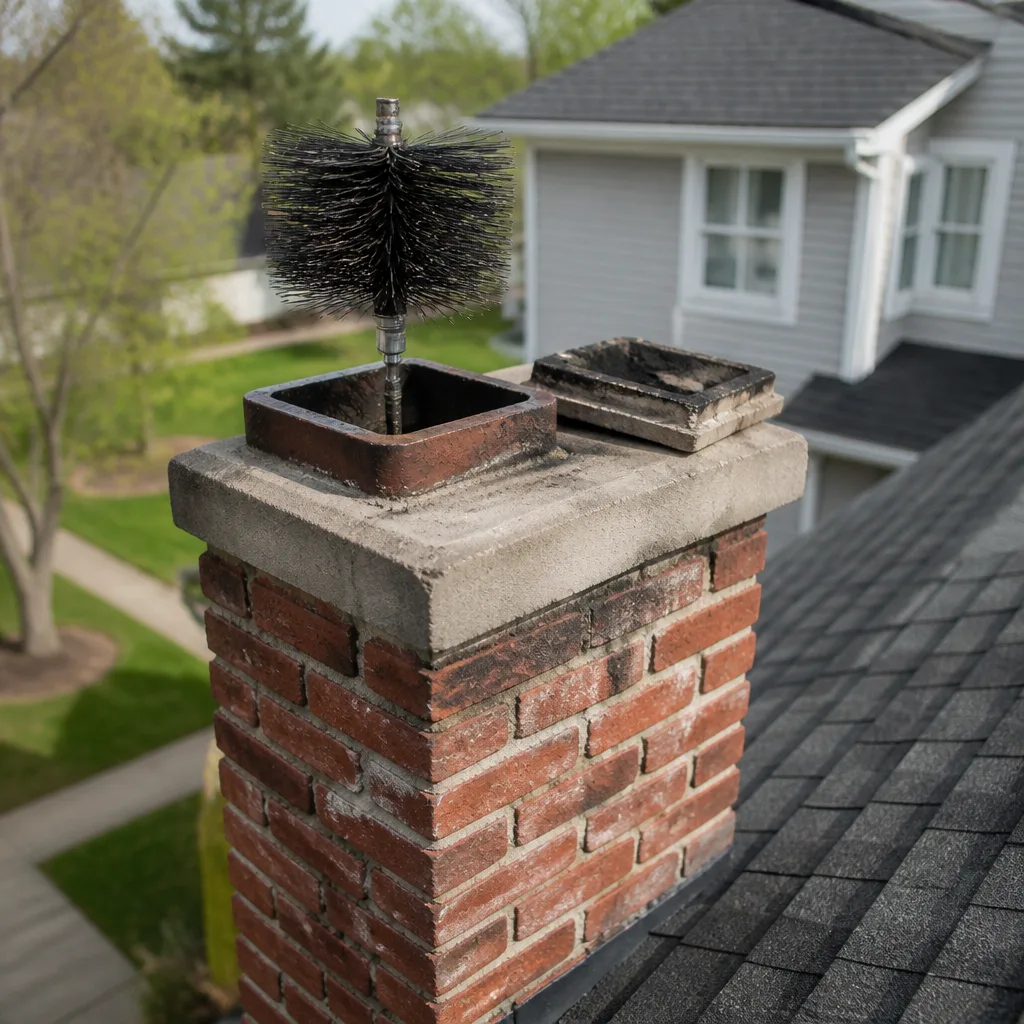 Sweep & inspection
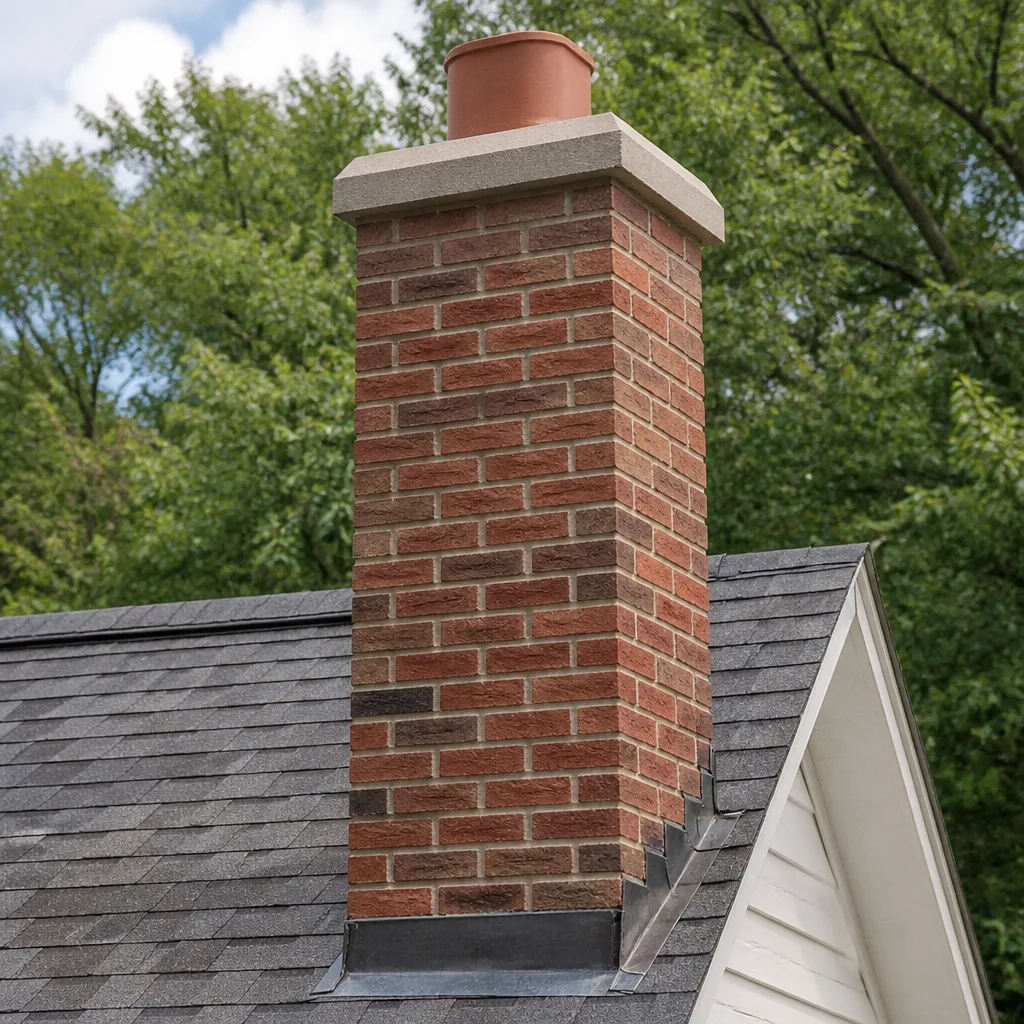
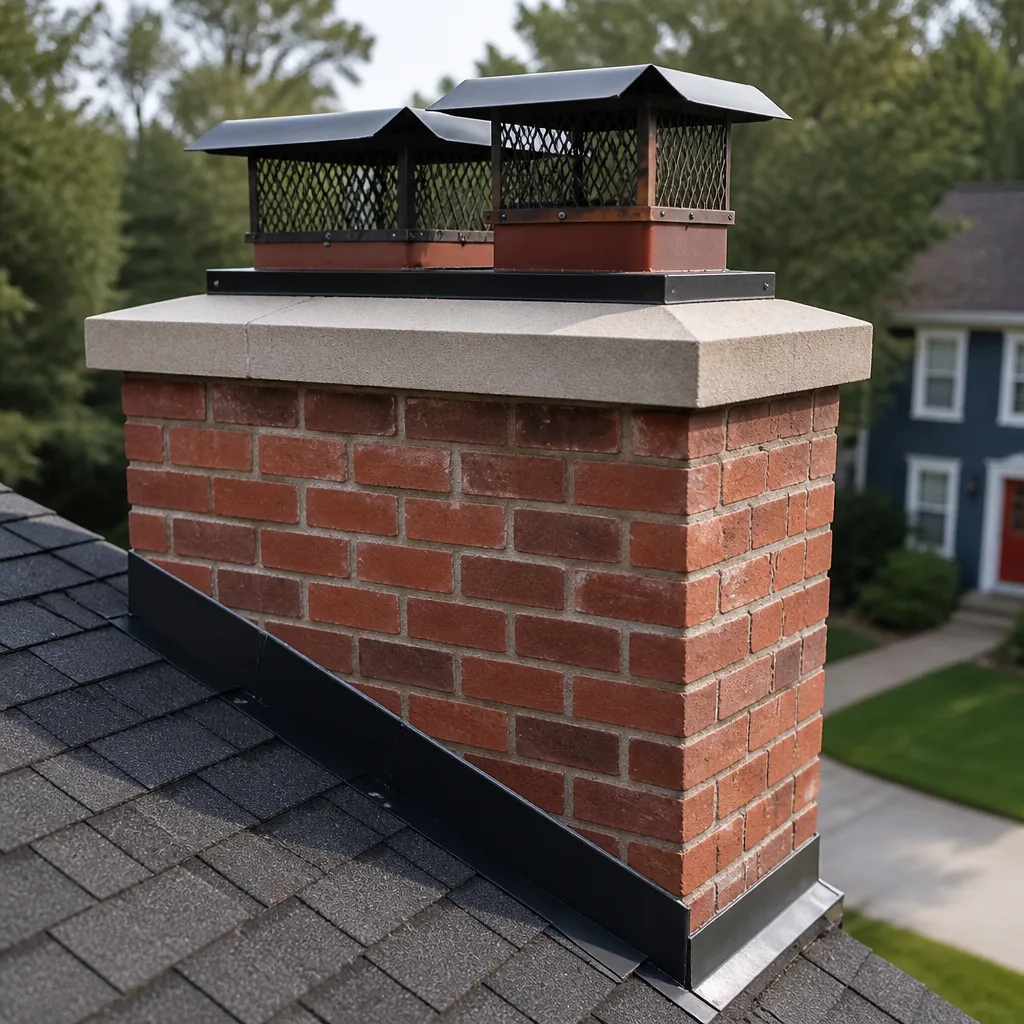 Caps & crowns
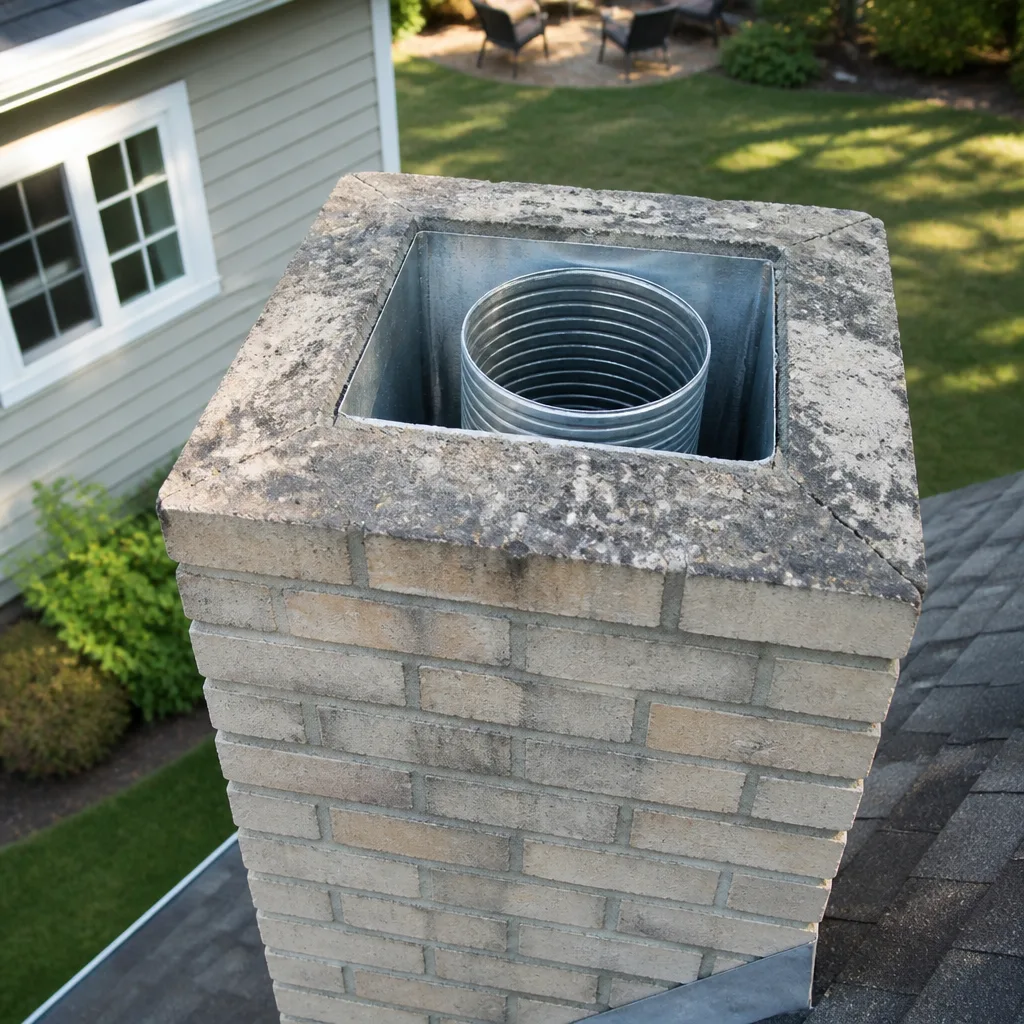 Flue relining
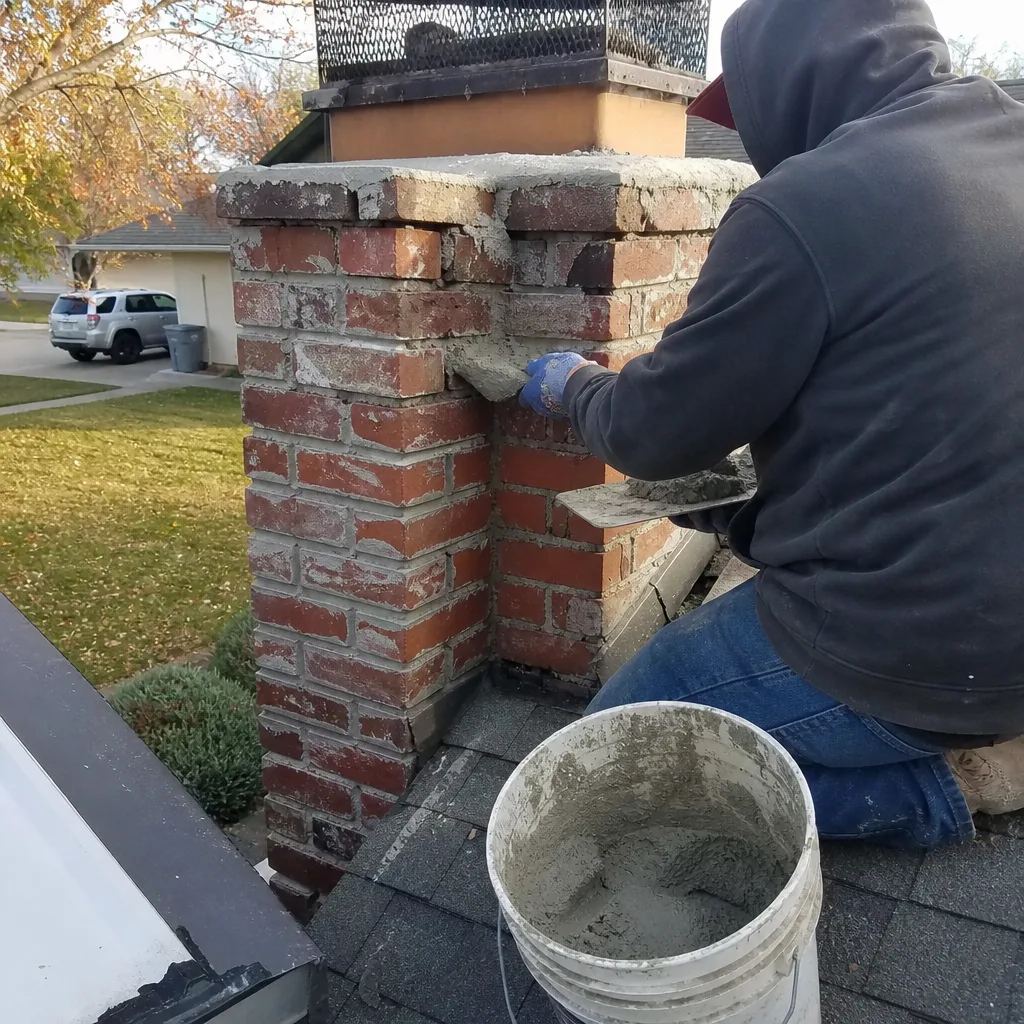
 Masonry repair
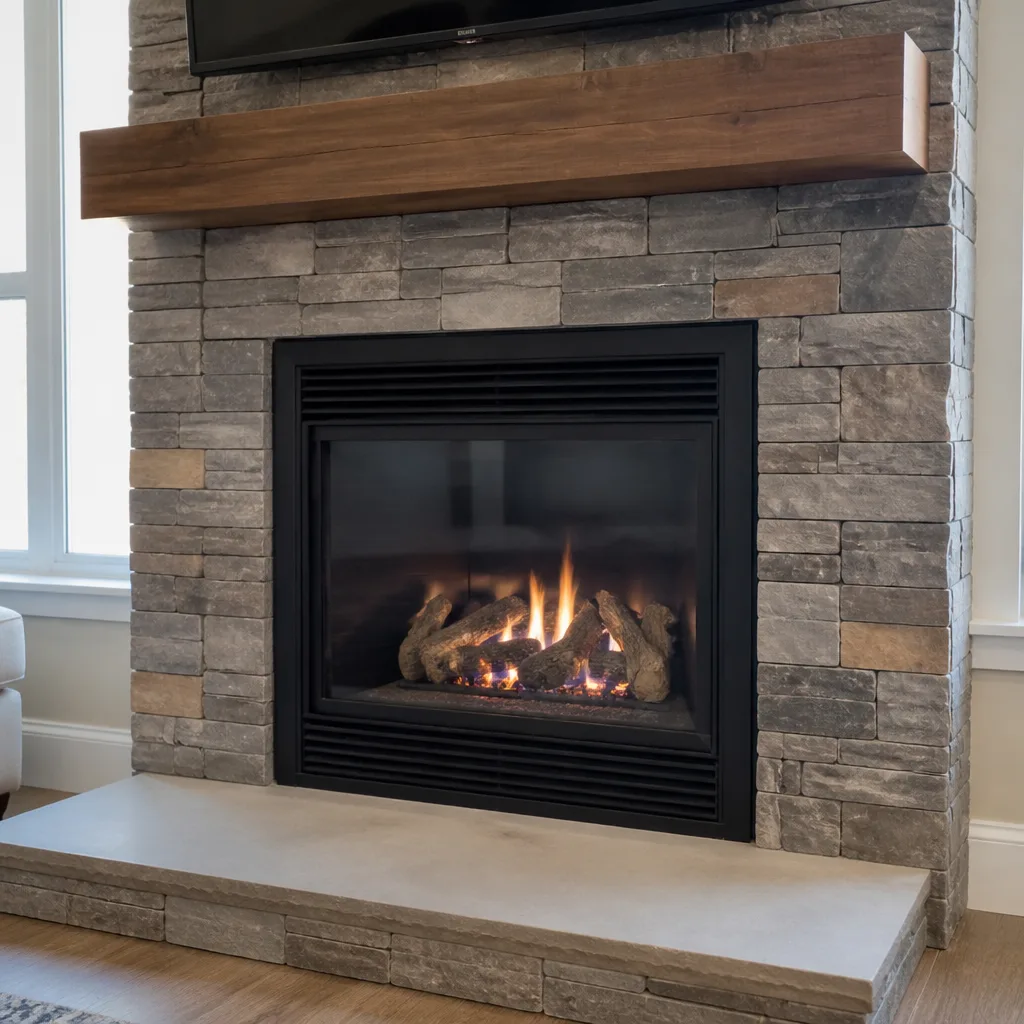 Gas fireplace service
Level 1 sweep and inspection to the NFPA 211 annual standard - flue, crown, cap, and flashing checked and photographed
Chimney sweep logs do not sweep chimneys. They loosen some creosote - which then falls where a brush and vacuum still have to collect it.
Choosing the Right Chimney Cleaning Brand: A Buyer’s Guide for Spanish Fork
Here’s the part of chimney care almost nobody explains: the creosote remover log you can buy at a hardware store works on Stage 1 deposits, the light, flaky soot that brushes off. But most Spanish Fork chimneys that actually need intervention have moved past that. They’ve built up Stage 2 or 3 creosote, the glazed, tar-like layers where consumer products don’t penetrate, and where professional-grade chemical treatments are the only effective option short of physical removal. That gap is why “brand” matters far more than most homeowners realize. In this guide we’ll show you what professional-grade means in practice, how to read a contractor’s material choices, and how to match systems like HeatShield and DuraFlex to the actual condition of your flue.
Styles & brands we work with
- Sweep & inspection
- Caps & crowns
- Flue relining
- Masonry repair
- Gas fireplace service
Quick Answer
In chimney cleaning, “brand” means the materials and chemical products a contractor uses, not their company name. A contractor using contractor-grade treatments and liner systems solves the problem; a contractor using consumer-grade products or generic supplies manages the symptom. The right choice for a Spanish Fork home comes down to one question: can this contractor name the specific products they use and explain why each fits your chimney’s condition, not a fixed package they apply to every job?
Table of Contents
- What “Brand” Actually Means in Chimney Cleaning
- Consumer Products vs. Contractor-Grade Chemical Systems
- Questions That Reveal Whether a Contractor Is Full-Service
- Liner Systems for Spanish Fork Relines: HeatShield vs. Stainless Flex
- Crown Sealants and Waterproofing Across a Freeze-Thaw Cycle
- Matching the Material Spec to Your Chimney’s Condition
- How to Choose a Contractor: A Step-by-Step Method
- Common Mistakes to Avoid
- When to Call a Professional
What “Brand” Actually Means in Chimney Cleaning
Most homeowners hear “brand” and think of the company name on the truck. In this trade, that’s the least useful definition. The brand that matters is stamped on the product a technician carries through your door: the chemical treatment applied to creosote, the liner system chosen for a reline, the sealant brushed onto your crown.
A sweep is not a single product. It’s a chain of decisions. How is creosote removed? What chemical loosens the harder deposits? What system resurfaces or replaces a damaged flue? What coating keeps water out of the masonry through a Utah County winter? Each of those steps has a consumer version and a contractor version, and they perform very differently.
For Spanish Fork specifically, the stakes are literal. Homes here heat with wood through cold months and then sit through a freeze-thaw cycle that stress-tests every sealant and crown on the block. Materials that are “fine” in a milder climate wear faster here. That’s why the brand question is a climate question too.
- Creosote treatment: professional-grade chemical formulations vs. consumer powder or logs
- Liner systems: DuraFlex flexible liners, HeatShield cast-in-place resurfacing, Olympia Chimney components
- Crown and waterproofing: contractor-grade sealants rated for freeze-thaw movement
When we talk about brand, we mean these. Everything else is a logo on a shirt.
Consumer Products vs. Contractor-Grade Chemical Systems
Here’s the honest functional difference. Consumer creosote products are formulated to be safe for an untrained person to handle with no equipment and no measurement: drop a log in, sprinkle a powder on, wait. That safety margin is also their performance ceiling. They work on Stage 1 creosote and do little to the glazed Stage 2 and 3 deposits that most intervention-needed Spanish Fork chimneys actually have.
Contractor-grade chemical systems work differently in two ways. First, the formulation is stronger: it’s designed to chemically break down the structure of harder deposits rather than just dry them out. Second, and more important, it’s applied as a system with a method, not a one-step product. A trained technician assesses the deposit stage, chooses the treatment, applies it correctly, and often follows with mechanical removal once the chemistry has done its work.
What “professional-grade” actually means
- Formulated for stages, not general use. Pro products are chosen for a specific creosote stage, not sold as a catch-all.
- Applied with method. Timing, dosage and follow-up removal matter; the product alone doesn’t solve it.
- Paired with inspection. A pro treats, then verifies by camera what the treatment actually resolved.
- Not sold at hardware stores. DuraFlex, HeatShield and Olympia Chimney products are professional-tier brands a homeowner can’t pick up on a shelf.
That last point is the tell. If a contractor can’t name the professional brand they use in a specific application, they’re probably using the consumer version and calling it “our cleaning service.” We use contractor-grade materials, not the hardware-store alternative, because the deposits we see in Spanish Fork usually need them.
Questions That Reveal Whether a Contractor Is Full-Service
The fastest way to tell a full-service operation from a cleaning-only service is to ask what products and systems they use and why. A full-service contractor answers with specifics. A cleaning-only sweep deflects, generalizes, or tells you that you don’t need to worry about that.
Ask these questions before you book.
1. “What creosote treatment do you use, and how do you decide when to use it?”
A real answer names the product and describes how the deposit stage drives the choice. A weak answer is “we just sweep it out.”
2. “Do you use HeatShield for flue resurfacing, and when is that the right call?”
If they can’t answer this one, they likely can’t restore a flue without tearing out your existing liner. HeatShield is cast-in-place resurfacing, and it’s a different capability from sweeping.
3. “What liner systems do you install?”
DuraFlex flexible liners come up here. If they don’t install liners at all, they’ll hand the job to another contractor, and the diagnosis becomes a game of telephone.
4. “Do you handle the crown and cap, or do I need to find someone else?”
A cap isn’t an upsell; it’s the reason repairs last. A contractor who diagnoses a water problem but can’t fix the source leaves you with an incomplete job.
5. “Will you show me the camera footage before quoting the fix?”
Any contractor should. It’s the clearest sign they’re diagnosing rather than guessing.
The pattern across all five: a full-service contractor answers with product names and reasons, because they actually do the work. A cleaning-only service answers with generalities, because the deeper work isn’t theirs to do.
Liner Systems for Spanish Fork Relines: HeatShield vs. Stainless Flex
If your inspection shows a damaged flue, you’ll usually hear one of two options: HeatShield cast-in-place resurfacing or a stainless flex liner. They solve different problems, and the right call depends on the actual condition of your chimney, not a preference.
HeatShield cast-in-place resurfacing
HeatShield resurfaces the inside of your existing clay flue from the inside out. It’s a ceramic-based compound applied to a form that rebuilds the flue’s interior surface, sealing cracks and restoring a smooth, continuous lining. The advantage is that you keep your existing chimney, and the work restores rather than replaces. It’s the right call when the flue is structurally sound on the outside but damaged inside, with cracking, spalling or gaps in the clay tiles.
DuraFlex and stainless flexible liners
A stainless flex liner is a new pipe system inserted down the existing chimney. DuraFlex flexible liners matter most on older or irregular chimneys where rigid systems can’t navigate the offsets and turns. That flexibility is a technical edge over general handymen who only install rigid pipe and often default to “you need a full rebuild” when a flex liner would do the job.
How to decide
- Get the camera inspection first. No liner decision without it.
- Look at the damage type. Surface cracking and spalling in an otherwise intact flue points toward HeatShield. Structural failure or an irregular flue points toward a flex liner.
- Ask what happens to the existing liner. HeatShield restores it; a flex liner supersedes it.
- Verify the installer actually does both. A contractor who only offers one will recommend that one to every homeowner.
For the wider picture on relines, see our page on chimney repair, which covers the structural side of the same decision.
Crown Sealants and Waterproofing Across a Freeze-Thaw Cycle
Water intrusion is the most common chimney problem, and the most commonly left-unquoted by contractors who only clean. The crown – the concrete cap at the top of the chimney – and the masonry below it take constant moisture, then freeze and thaw through a Spanish Fork winter. Materials that don’t flex with that movement crack, and a cracked crown lets water straight into your flue.
This is where crown sealants and waterproofing products separate fast. A consumer caulk or generic sealant cracks within a season or two under freeze-thaw stress. A contractor-grade elastomeric sealant is formulated to move with the masonry and stay bonded. The product performance is dramatically different, and so is the application spec.
What to verify in the application spec
- Flexibility rating. The sealant must be rated for the movement masonry sees in a cold climate, not just indoor use.
- Surface prep. Contractor-grade sealants require clean, dry, properly prepped surfaces to bond; a quick wipe doesn’t count.
- Coverage and thickness. Proper application is measured, not slathered. Ask what the spec calls for.
- Compatibility with the crown material. Sealant and concrete must move together without debonding.
A chimney cap goes in the same conversation. A cap keeps rain and animals out of the flue, and it’s part of the same water-management job. One call covers it: sweep, inspect, repair, and protect, with no handoffs to another contractor. If your chimney has both a crown and a flue problem, our fireplace repair page covers the parts of the system inside the home.
Matching the Material Spec to Your Chimney’s Condition
The single biggest red flag in this trade is a one-size approach: the same package, the same products, the same recommendation for every home on the block. It looks efficient. It also means the contractor isn’t diagnosing; they’re selling a product lineup with a fixed script.
Every chimney has a condition profile. The material spec should follow from it.
- Light, flaky creosote: standard sweep and brushing, with routine inspection.
- Stage 2 or 3 glazed creosote: professional-grade chemical treatment, then mechanical removal, verified by camera.
- Cracked but structurally intact flue: HeatShield resurfacing rather than full replacement.
- Irregular or offset older chimney: DuraFlex flexible liner over rigid systems.
- Water intrusion at the crown: contractor-grade crown sealant plus a cap, quoted together.
Your contractor should be able to walk you through where your chimney falls in that list, then tell you exactly what products and methods apply, and why. Our technicians have up to 9 years of experience matching material to condition, not applying a template. If the spec you’re quoted sounds identical to everyone else’s, ask why it’s the right one for your chimney. That question alone filters most of the weak contractors out.
How to Choose a Contractor: A Step-by-Step Method
Here’s a repeatable process you can use with any contractor in Spanish Fork, no trade knowledge required.
- Ask what products and brands they use for creosote treatment, liners, and crown sealants. A full-service contractor names professional brands; a cleaning-only service generalizes.
- Request the camera inspection before any quote. Demand to see the footage and have it explained to you. Nothing should be recommended that you can’t see.
- Ask which liner methods they can install. If they only do one, ask why one fits every possible flue.
- Ask about crown and cap work in the same visit. If they punt to another contractor, you’ve found the gap in their service.
- Get a written estimate that lists product and method per item. The written estimate sets the final price.
- Ask what can wait. A straight answer here is the best sign of an honest contractor.
The through-line in all of this is diagnosis before recommendation. It’s also why we structure every visit the same way: inspect with a camera and give you a photo report, tell you what we find, and quote the fix before we touch anything. If a problem can safely wait, we’ll tell you that too. This is the same approach behind our chimney sweep service.
Common Mistakes to Avoid
- Treating “brand” as the company name. It’s the products, not the logo. Ask what’s applied to your chimney, not what’s on the truck.
- Buying a creosote log for a Stage 2 or 3 problem. Consumer products don’t penetrate glazed deposits. They cost little and solve nothing beyond Stage 1, and a Spanish Fork wood burner going through a cold winter can hit Stage 2 quickly.
- Accepting a one-size recommendation. If the same package fits every home, it isn’t matched to yours. Ask how it fits your chimney’s condition.
- Letting a cleaning-only sweep diagnose structural work. A sweep without liner capability will either skip the problem or hand the discovery to a contractor who never saw the chimney.
- Skipping crown and cap quotes. Water intrusion is the most common chimney problem and most commonly left unaddressed. If it isn’t quoted, it isn’t solved.
- Choosing on price alone. The cheapest sweep is usually the one applying consumer-grade products, and you’ll pay again to fix what they managed rather than solved.
- Not asking what can wait. A contractor who can’t tell you that is selling urgency, not diagnosis.
When to Call a Professional
Call a professional when you’re using the fireplace regularly and it’s been a season or more since a sweep, when you notice a strong creosote smell or visible soot at the damper, when smoke backs into the room, or when you see water stains or efflorescence on the masonry. Any of those can point to a problem beyond a routine cleaning. If you’re unsure whether a job can wait, that’s a good reason to get an inspection on the calendar and the results in front of you; a trained professional can tell you honestly whether the work is urgent or can be scheduled. Chimney Sweep Spanish Fork offers free estimates in Spanish Fork. Call (877) 492-4380 to book a sweep or inspection.
Frequently Asked Questions
Professional-grade means products formulated and applied by a trained technician for the actual deposit stage on your chimney, rather than a consumer product designed to be safe for anyone to use with no equipment. The pro formulation is stronger and is applied as a method, usually as part of a sweep-inspect-verify sequence. Brands like HeatShield and DuraFlex are professional-tier and not sold at hardware stores. Call (877) 492-4380 for an exact quote; estimates are free.
They work on Stage 1 creosote, the light flaky deposits, and do little for Stage 2 or 3 buildup. Most Spanish Fork chimneys that need intervention have already moved past Stage 1. A professional-grade chemical treatment is the effective option short of physical removal. Call (877) 492-4380 for an exact quote; estimates are free.
We work with a professional roster that includes DuraFlex for flexible liners, HeatShield for cast-in-place flue resurfacing, and Olympia Chimney components. We choose the specific product for the job based on the camera inspection, not a fixed package. Call (877) 492-4380 with your chimney’s condition and we’ll tell you what applies.
HeatShield restores a damaged flue surface from the inside, keeping your existing chimney; a DuraFlex flexible liner is a new pipe system installed down the flue. HeatShield fits a structurally intact chimney with inner damage; a flexible liner fits an older or irregular chimney where rigid systems can’t navigate. The choice follows the inspection. Call (877) 492-4380 for an exact quote; estimates are free.
It stresses every sealant and crown on the chimney: moisture gets in, freezes, expands, and cracks the material. Contractor-grade crown sealants are rated to flex with masonry movement; consumer versions crack within a season or two. A cap and proper crown sealant are part of the same water-management fix. Call (877) 492-4380 for an exact quote; estimates are free.
It depends on how much you burn, but an annual inspection keeps you ahead of problems, and a sweep is due when creosote has built up. The honest answer for a given home comes from a camera inspection, not a fixed schedule. Call (877) 492-4380 and we’ll book a sweep and tell you what we find.
The Bottom Line
The brand that matters in chimney cleaning is the product, not the logo. Know the difference between consumer and contractor-grade treatments, ask your contractor to name the products and liner systems they use, and make sure the recommendation fits your chimney’s condition rather than a package applied to every home. HeatShield and DuraFlex solve different problems, and knowing which fits your flue is worth the questions. Get the camera inspection first, ask what can wait, and get a written estimate before anything is touched. For a Chimney Sweep Spanish Fork chimney system, that’s the standard you should expect from anyone you hire.
Chimney Sweep Spanish Fork works across the full system: sweep, inspection, fireplace repair, chimney repair, and crown and cap installation, with no handoffs. We answer 24/7. Fast dispatch from 7am to 7pm, Sunday through Friday. Call (877) 492-4380 for a free estimate.
Written by the team at Chimney Sweep Spanish Fork.
See the difference
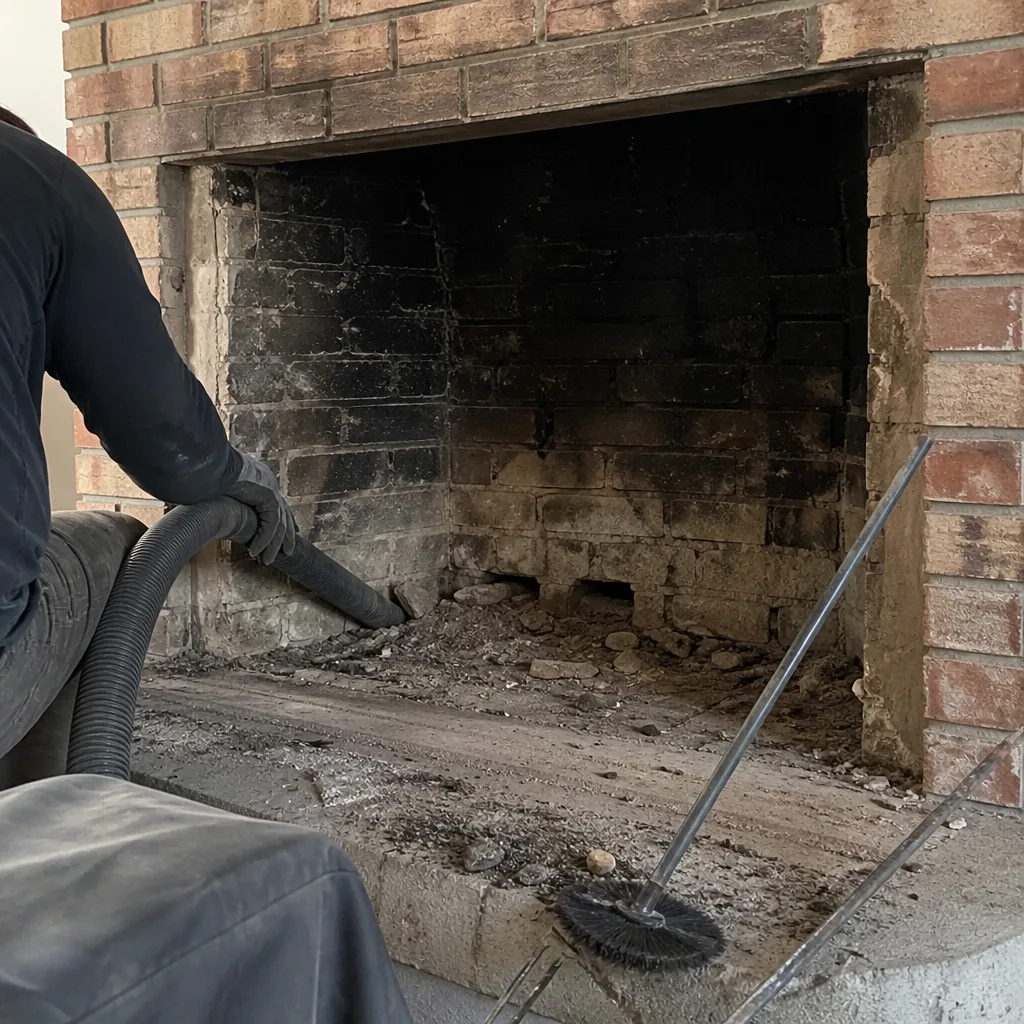 Before
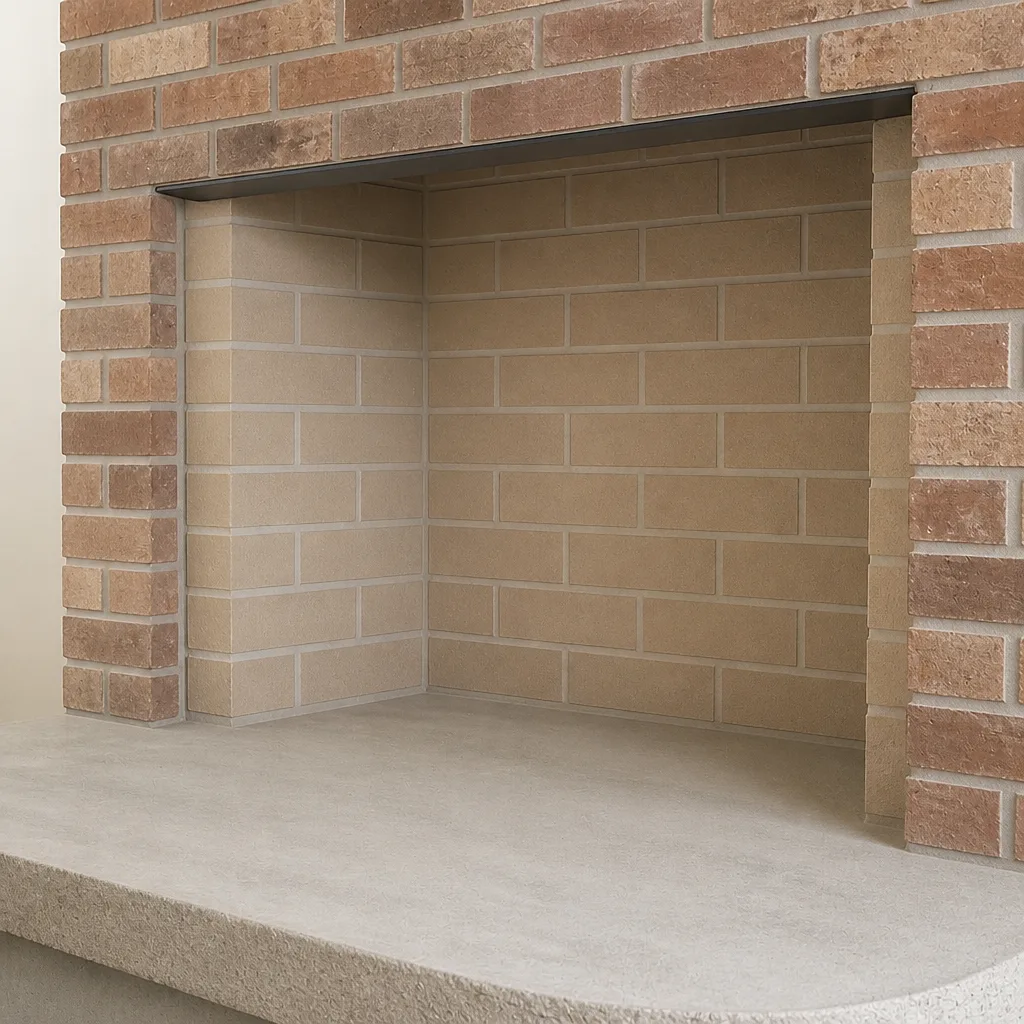 After
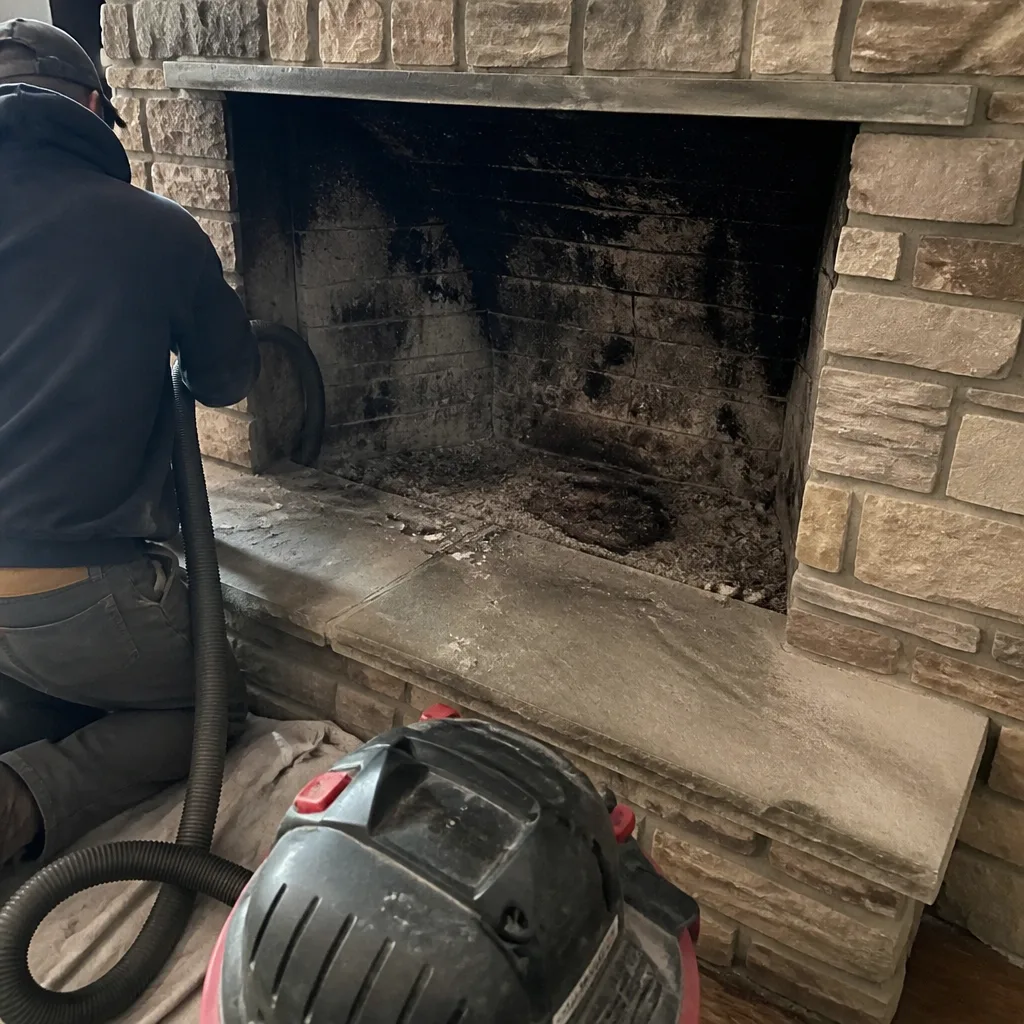 Before
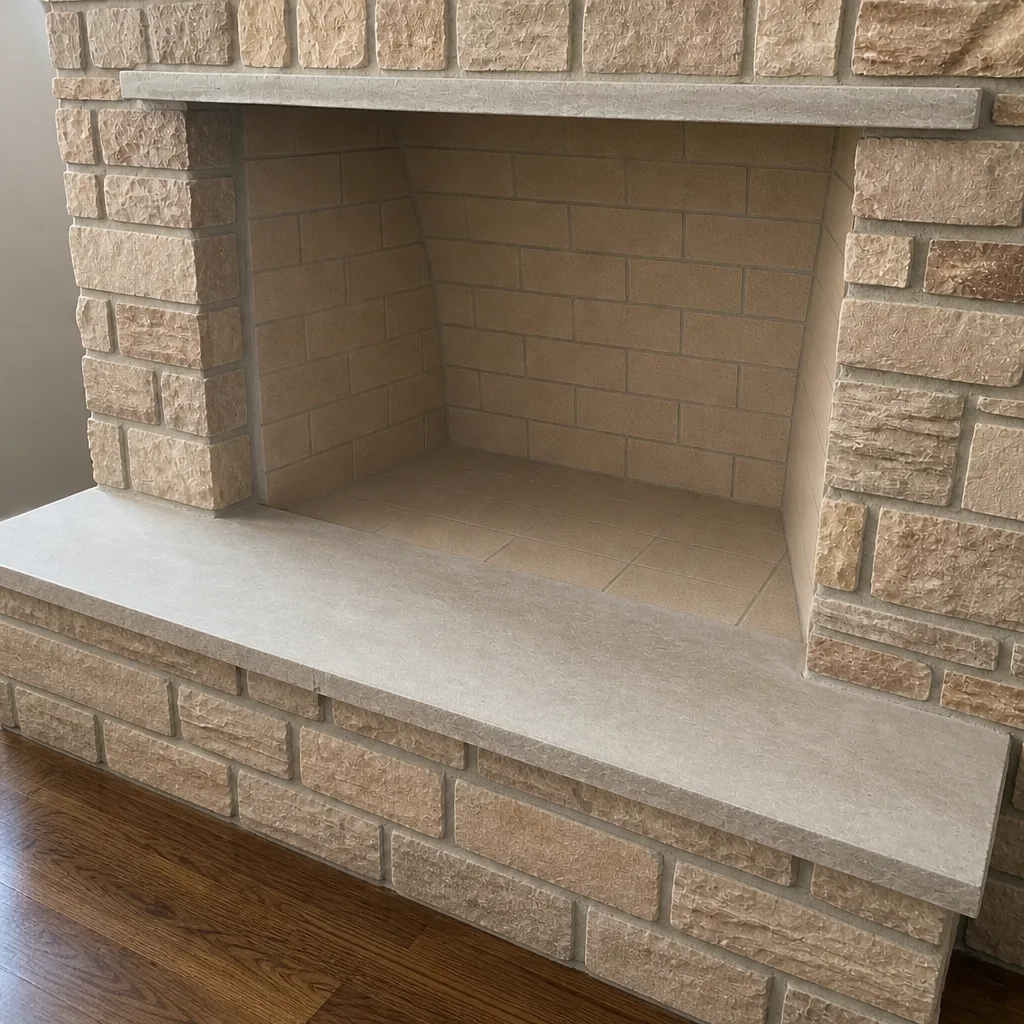 After
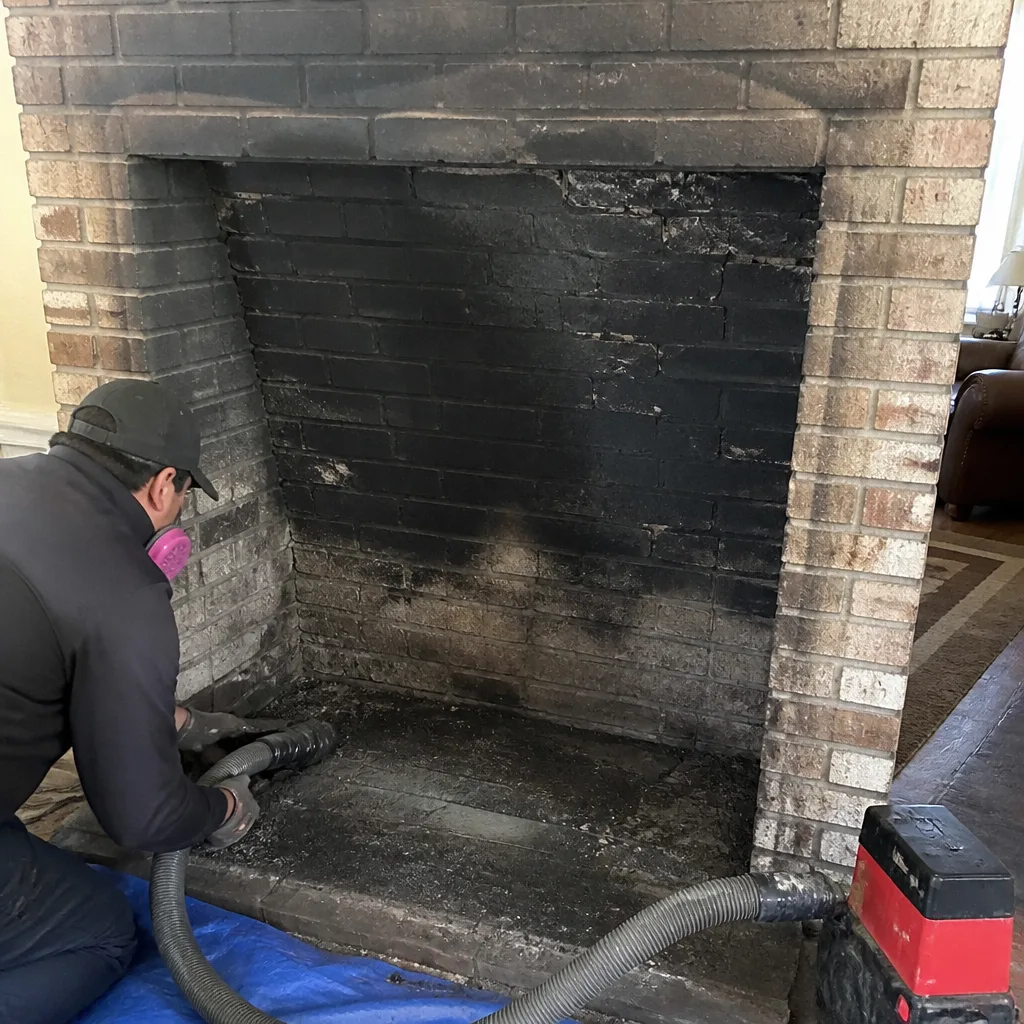 Before
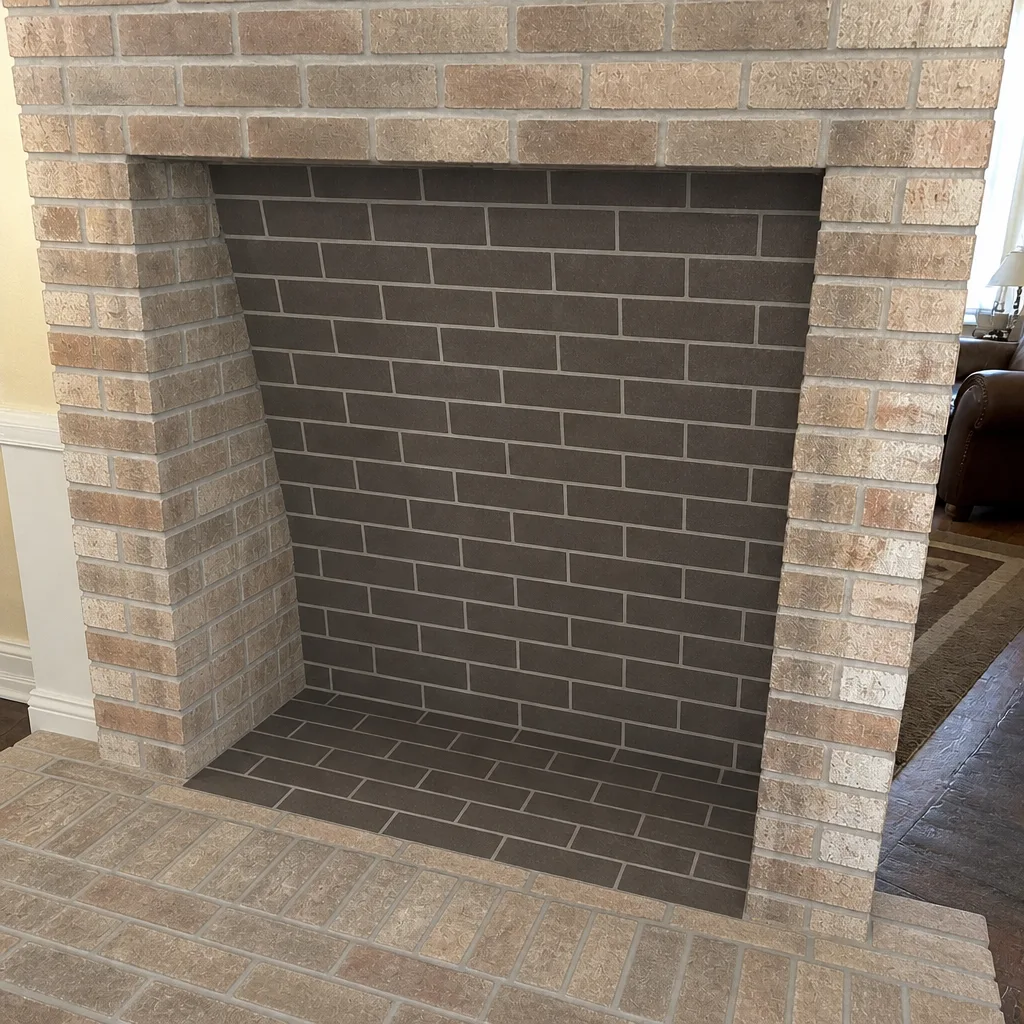 After