
Last updated November 24, 2026
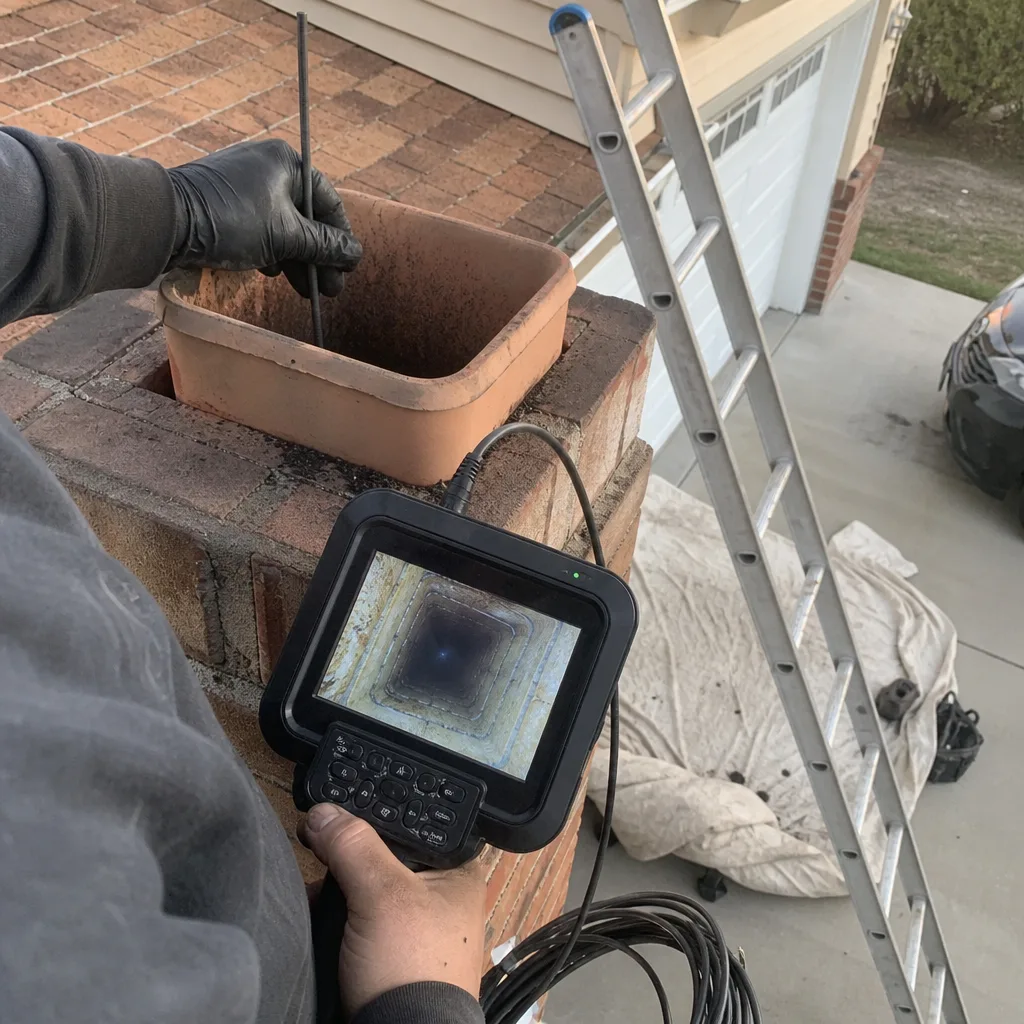
 Sweep & inspection
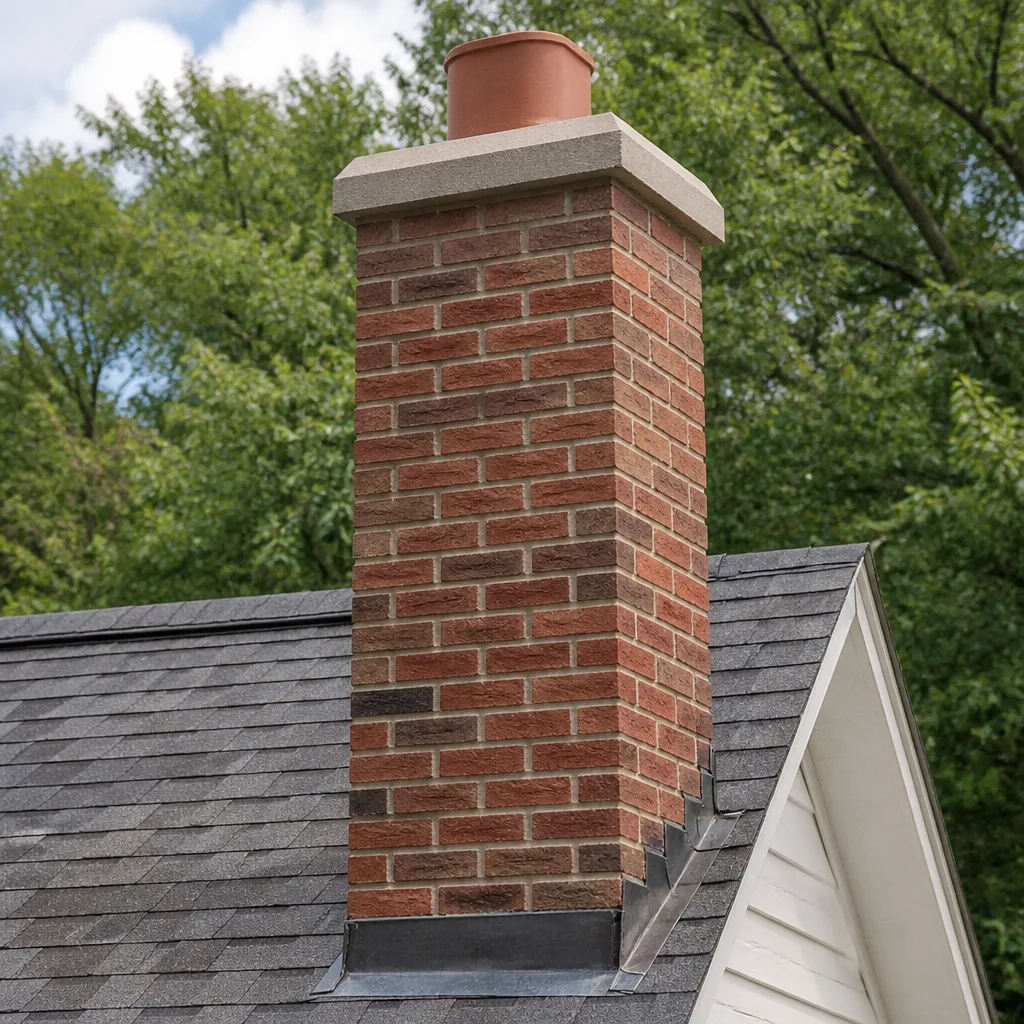
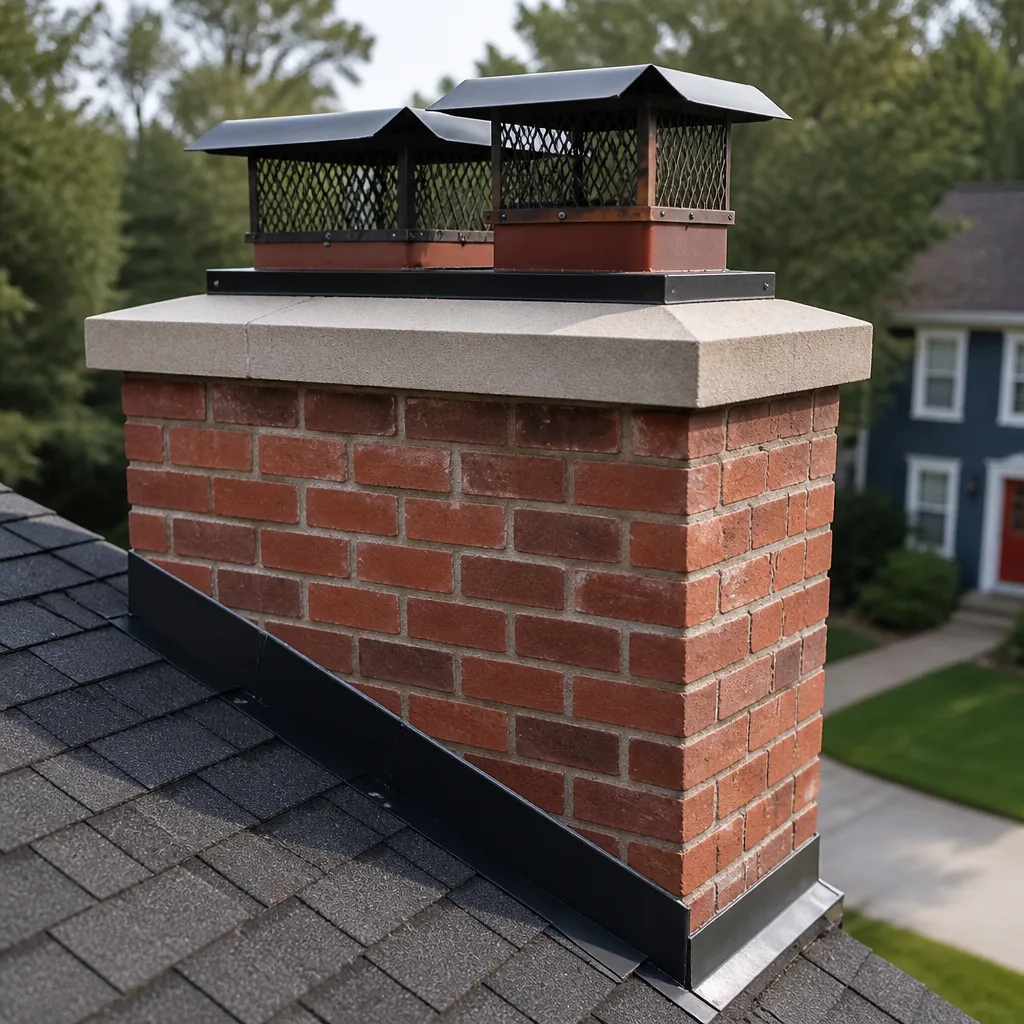 Caps & crowns
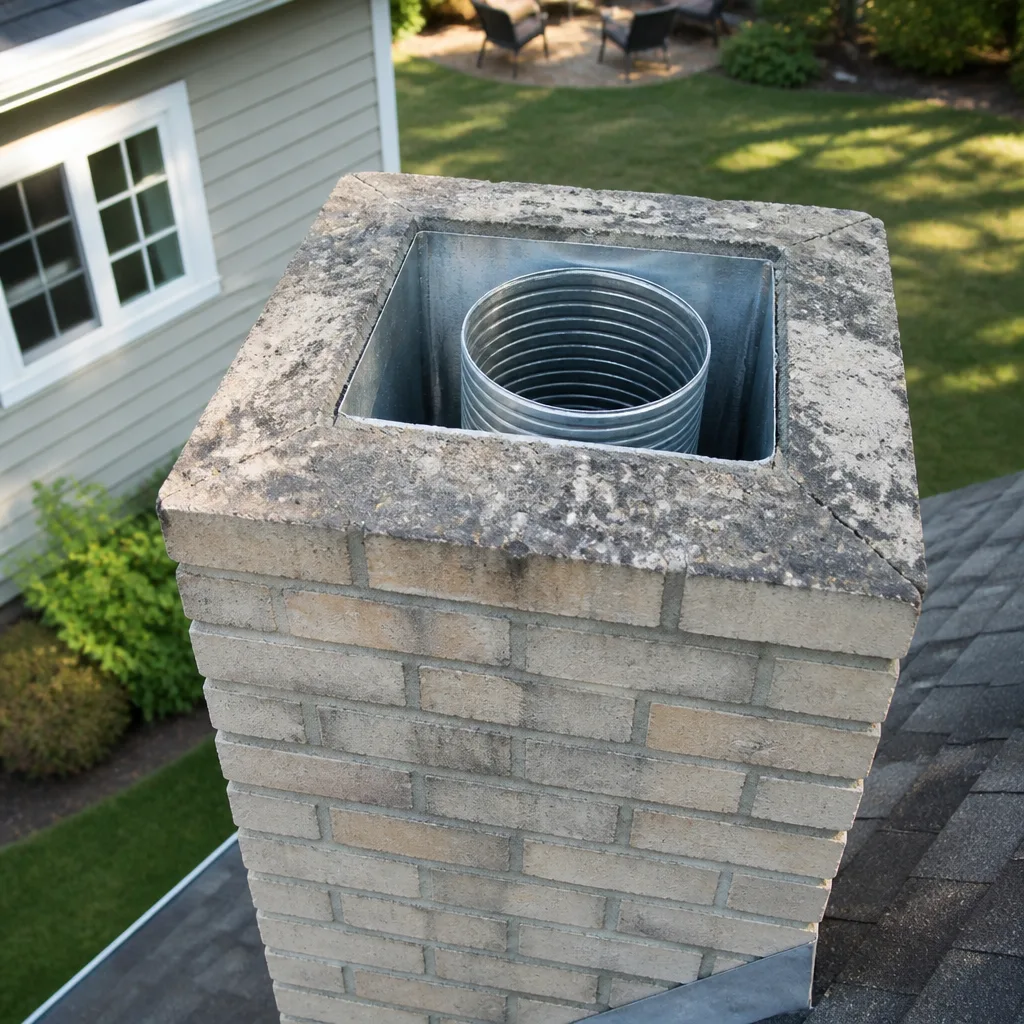 Flue relining
 Masonry repair
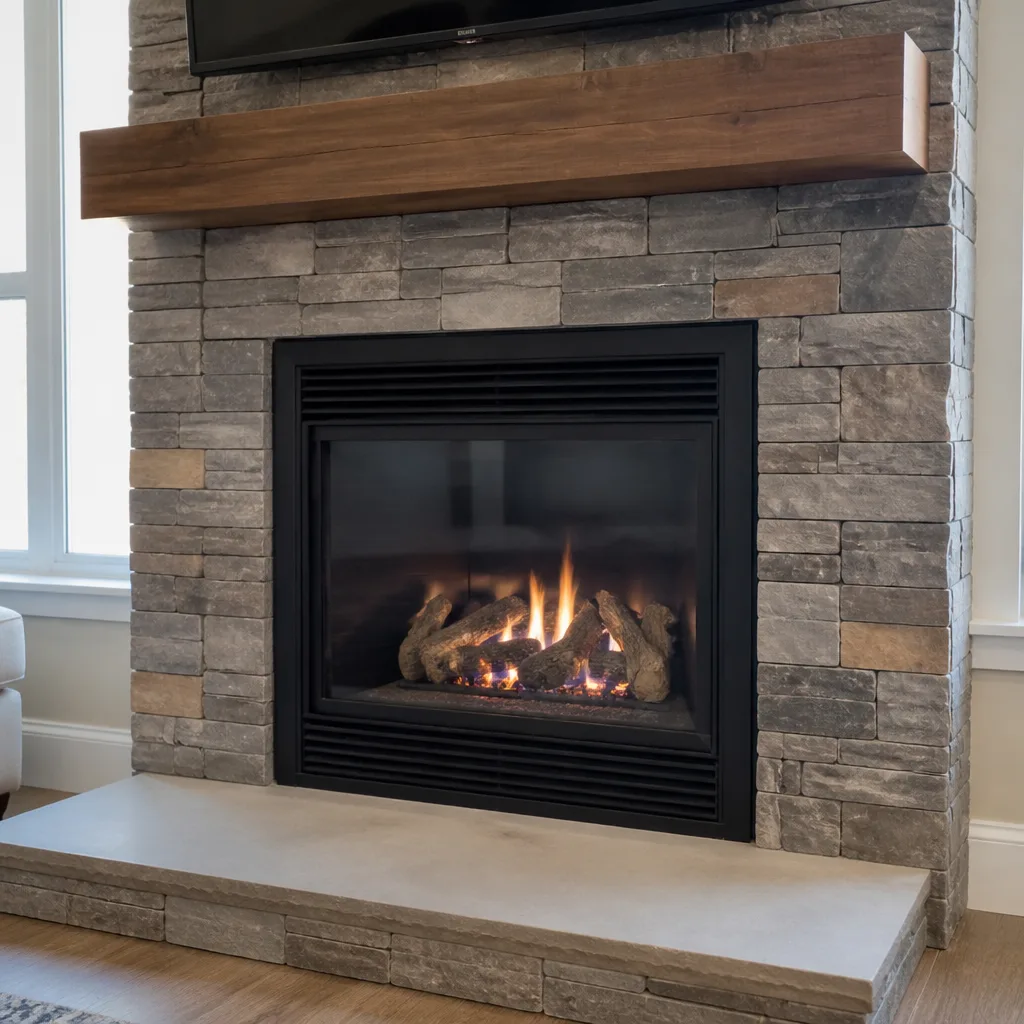 Gas fireplace service
Level 1 sweep and inspection to the NFPA 211 annual standard - flue, crown, cap, and flashing checked and photographed
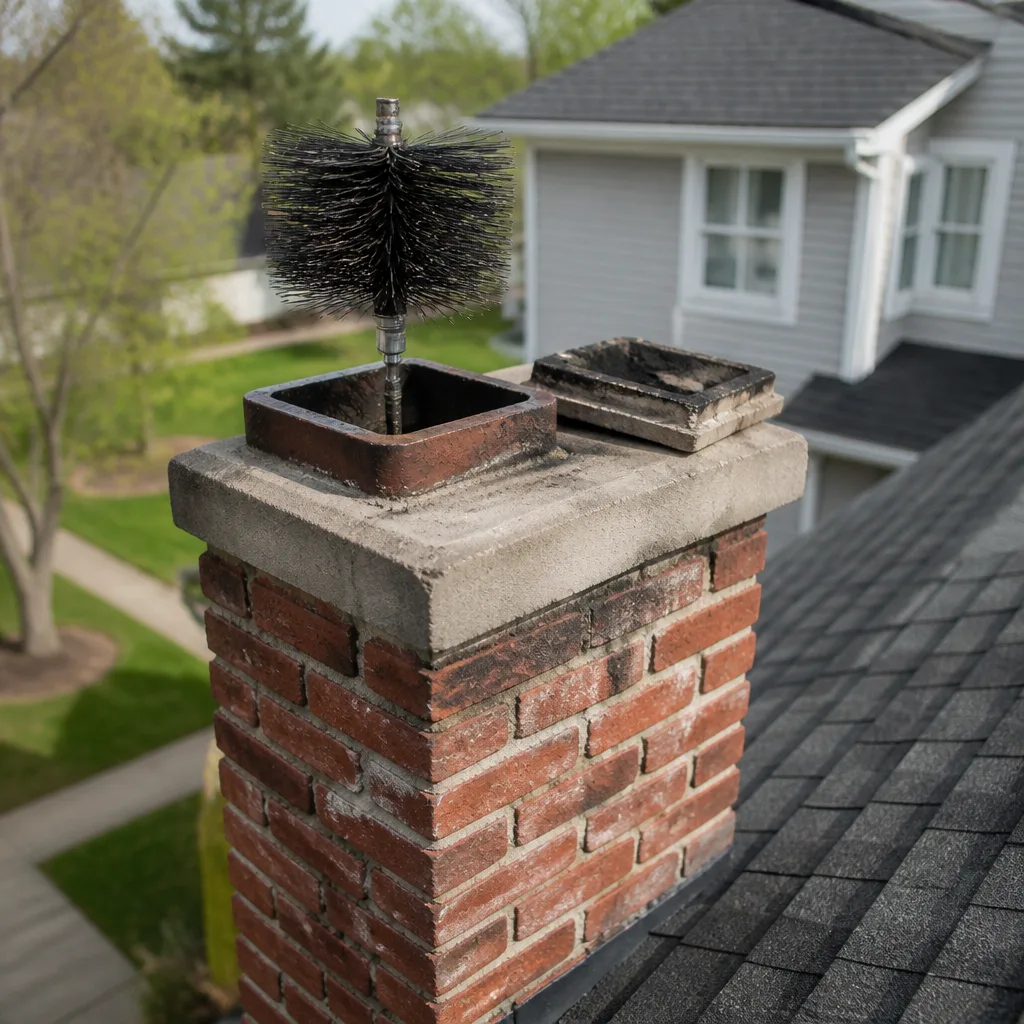
Chimney sweep logs do not sweep chimneys. They loosen some creosote - which then falls where a brush and vacuum still have to collect it.
The Complete Guide to Chimney Cleaning in Spanish Fork
Most homeowners assume a chimney cleaning is a single, simple task: someone shows up, runs a brush through the flue, and leaves. In Spanish Fork, that assumption is where problems start. A cleaning visit and a cleaning-plus-inspection visit are two different services, and only one of them tells you whether your flue is actually safe to use. The difference matters more here than in most of the country, because Spanish Fork sits at high elevation with long, cold winters that push fireplaces into heavy service for months at a stretch. Fuel type, liner condition, and how far creosote has staged all shape what “clean” even means for your specific setup. This guide walks through the decisions behind a real cleaning, what a good post-job report should show you, and how to tell when a basic sweep is enough and when it isn’t.
Quick Answer
A chimney cleaning in Spanish Fork removes creosote, soot, and debris from the flue and firebox, and it’s typically paired with a Level 1 inspection to confirm the chimney is safe to use. Most wood-burning chimneys need cleaning once a year or after roughly a cord of wood, but high-elevation cold snaps along the Wasatch Front can accelerate creosote buildup faster than general guidelines suggest. If you burn often, get the flue checked before heating season starts rather than waiting for a problem to announce itself.
Styles & brands we work with
- Sweep & inspection
- Caps & crowns
- Flue relining
- Masonry repair
- Gas fireplace service
Table of Contents
- Why Chimney Cleaning Works Differently in Spanish Fork
- Cleaning vs. Cleaning-Plus-Inspection: Which Do You Need?
- How Creosote Stages Work (and Why Elevation Matters)
- Fuel Type and Appliance Differences: Open Fireplaces, Inserts, and Stoves
- Rotary Cleaning vs. Standard Brush Kits
- How to Read Your Sweep’s Post-Job Report
- Caps, Crowns, and Water Intrusion
- What Chimney Cleaning Costs in Spanish Fork
Why Chimney Cleaning Works Differently in Spanish Fork
Spanish Fork sits in Utah Valley at roughly 4,500 feet, tucked against the Wasatch Range, and those two facts change how a chimney ages. Cold snaps arrive hard and fast. When the temperature drops sharply, a fire gets pushed to burn hotter and longer than it might in a milder climate, and that burn cycle drives creosote formation. The valley also traps cold air in winter, which means homeowners here tend to run their fireplaces and stoves more consistently through December, January, and February than someone in a temperate zone would.
What that means in practice is that creosote in Spanish Fork chimneys can move from the light, flaky Stage 1 into the gummier Stage 2 faster than national averages would suggest. National guidance often says to clean once a year. Here, if you’re burning several cords a season, an annual check may not be enough to catch a buildup before it hardens into something that’s harder to remove.
- Elevation and air quality: Inversions trap smoke and fine particulate in the valley, which is one more reason a clean-burning, well-maintained flue matters here.
- Long heating season: Spanish Fork homes often burn from October into April, which extends the exposure window for creosote accumulation.
- Housing mix: Older homes near the historic downtown grid often have original masonry chimneys with tile liners, while newer construction on the east side frequently uses factory-built or insert systems. Both need cleaning, but not the same way.
None of that makes Spanish Fork dangerous. It just means the “clean it once a year and forget it” approach doesn’t fit the local burn cycle as well as a check tied to how much wood you actually go through. If you want a baseline on your setup, a chimney sweep is the right starting point before heating season.
Cleaning vs. Cleaning-Plus-Inspection: Which Do You Need?
A cleaning removes what’s in the flue. An inspection tells you what condition the flue, firebox, damper, cap, and crown are in. They’re related, but they’re not the same visit, and the difference is the single most common gap we see in Spanish Fork.
Here’s the honest breakdown:
- A cleaning alone is appropriate when a chimney has been routinely maintained, burns dry wood, and has no history of problems. It’s a maintenance task.
- A cleaning plus a Level 1 inspection is the standard annual visit for most homes. The sweep cleans the flue and then visually checks the accessible parts of the system, including the firebox, damper, and the visible portion of the liner and cap.
- A Level 2 inspection goes further, often with a camera, and is warranted after a chimney fire, a change in fuel or appliance type, a structural event, or when a Level 1 turns up something that needs a closer look.
The reason this distinction matters: a cheap cleaning visit that skips the inspection is what leaves homeowners surprised later. If your flue has a cracked tile or a deteriorating liner joint, a brush-out doesn’t find it. A camera does. Ask any sweep you hire whether the visit includes an inspection or just a cleaning, and get the answer in writing before they start. We tell you what we find and quote the fix before we touch anything, and that’s the standard you should expect from anyone working on your home.
How Creosote Stages Work (and Why Elevation Matters)
Creosote is the byproduct of incomplete combustion, and it builds up in stages. Understanding the stages tells you why a simple brushing sometimes isn’t enough.
- Stage 1 – Soot and flaky creosote: Light, dusty, and easily removed with a standard brush. This is what most routine cleanings deal with.
- Stage 2 – Hard, crusty creosote: Denser and glazed onto the liner. Standard brushes struggle with it; it usually requires rotary equipment to break loose.
- Stage 3 – Glazed, hardened creosote: The most difficult stage, sometimes resembling a shiny tar coating. It’s highly combustible and often requires chemical treatment or professional rotary cleaning to remove safely.
Utah Valley’s sharp cold snaps accelerate the jump from Stage 1 to Stage 2. When a fire gets pushed hard on a cold night, the flue doesn’t have time to warm gradually, and that uneven burn deposits creosote more aggressively. The result: a chimney in Spanish Fork that’s only burned a single season of hard use can look like one that’s burned two seasons in a milder climate. If your sweep finds Stage 2 or Stage 3, that’s a real finding, and it changes what the fix looks like. A flue with heavy glazed creosote may need rotary cleaning, and in the worst cases the liner itself may need resurfacing or replacement. We use HeatShield for flue resurfacing when a liner is damaged but still serviceable, which lets us restore the flue without tearing out what’s already there.
Fuel Type and Appliance Differences: Open Fireplaces, Inserts, and Stoves
Not every chimney is cleaned the same way, and the appliance type shapes the residue you’re dealing with.
Open masonry fireplaces tend to deposit soot and Stage 1 creosote along the smoke chamber and damper shelf, plus the flue walls. They’re typically the easiest to clean because the firebox is accessible and the flue is often straight.
Wood-burning inserts sit inside the firebox and change airflow. They generally burn more efficiently than open fireplaces, which can mean less creosote, but the tighter airflow also means the residue is more concentrated and can deposit higher in the flue. Inserts also often sit behind a surround panel, so the sweep needs to remove the surround to access the flue properly.
Freestanding wood stoves route smoke through a stovepipe into the chimney. They burn hotter and cleaner than open fireplaces when operated properly, but they can produce a harder, more glazed creosote if the stove is run with poorly seasoned wood or a closed damper. The flue in a stove system is usually narrower than a masonry fireplace flue, which changes which cleaning tools work.
What that means for a Spanish Fork homeowner: tell your sweep what appliance you have before the visit. It sets the tools and the time needed, and it tells them what kind of residue to expect. If you’re not sure what shape your insert or stove is in, a fireplace repair visit can look at the appliance itself alongside the flue.
Rotary Cleaning vs. Standard Brush Kits
A standard brush kit removes what’s loose and accessible. It doesn’t reach into the joints of a tile liner, and it doesn’t break through hardened Stage 2 or Stage 3 creosote. That’s where contractor-grade rotary cleaning systems come in.
- Rotary cleaning uses a powered spinning head with flexible rods, which reaches into the corners and joints of a tile liner that a brush alone passes over.
- Standard brush kits are fine for routine maintenance on a chimney that’s already in good shape, but they can’t restore a flue that has advanced buildup.
- Contractor-grade flexible liners like DuraFlex allow us to work with older or irregular chimneys where rigid systems don’t fit, which matters in Spanish Fork’s older homes with non-standard flues.
We use contractor-grade materials – DuraFlex, HeatShield, Gelco, Olympia Chimney – not the hardware-store alternative. A rotary system removes what a brush kit leaves behind on tile liner joints, and it’s the difference between a chimney that’s cleaned and one that’s actually restored to a safe, serviceable condition. The two aren’t the same, and only one of them is worth paying for.
How to Read Your Sweep’s Post-Job Report
A good cleaning visit ends with a report you can read and understand. If your sweep hands you a one-line receipt, ask for more. Here’s what to look for in a report that matches your chimney’s real condition:
- What was cleaned: the flue, firebox, smoke chamber, and damper. Each should be named.
- What condition was found: any cracks in the liner, gaps in tile joints, a damaged damper, or deterioration at the crown or cap.
- Creosote stage: whether the buildup was Stage 1, 2, or 3. This tells you how urgent the next visit is.
- Photo evidence: a camera still of the liner, especially if anything is flagged. You should be able to see what the sweep saw.
- Recommendations with timing: what needs fixing now, and what can safely wait. A real report separates the two.
Nothing gets recommended without camera evidence you can see for yourself. That’s a standard worth insisting on, especially in Spanish Fork, where older homes on the historic grid can have liners that look fine from the fireplace but have hidden joint cracks a camera reveals. If a report lists work without a photo or a clear explanation, ask before you book anything.
Caps, Crowns, and Water Intrusion
A chimney cap isn’t an upsell – it’s the reason repairs last. The most common cause of chimney damage in Spanish Fork isn’t fire or creosote. It’s water. Rain and snowmelt getting into a flue that lacks a proper cap, plus freeze-thaw cycles that crack a failing crown, do more long-term damage than a season of heavy burning.
Here’s how the pieces fit:
- The cap sits on top of the flue and keeps rain, snow, and animals out. It also serves as a spark arrestor in many configurations.
- The crown is the concrete or masonry top of the chimney that sheds water away from the flue. A cracked crown lets water into the chimney structure, where freeze-thaw cycles widen the crack over a Spanish Fork winter.
- Waterproofing at the top is one of the simplest, most effective protections you can add, and it’s often overlooked because it’s out of sight.
We handle chimney cap and crown installation in-house, which closes the gap between diagnosis and the waterproofing fix. If your inspection flags a failing crown, you don’t want to be handed a separate contractor’s number and a multi-week wait while the crack gets worse. One call covers it: sweep, inspect, repair, and protect. The related chimney repair page covers structural fixes in more detail.
What Chimney Cleaning Costs in Spanish Fork
Chimney cleaning in Spanish Fork typically runs in a range similar to the rest of the Utah County market, with the exact price depending on the appliance type, the amount of buildup, and whether an inspection is included. The written estimate sets the final price, and we give it before any work begins.
- Standard cleaning (open fireplace, routine): typically a modest per-job price in line with local market rates.
- Cleaning with Level 1 inspection: typically priced slightly higher than a cleaning alone, and the recommended annual visit for most homes.
- Rotary cleaning for Stage 2 or Stage 3 buildup: priced per job based on severity and time required.
- Flue resurfacing (HeatShield) or liner installation: priced per job after camera inspection confirms the work is needed.
- Cap and crown installation: priced per job based on the chimney’s dimensions and condition.
We won’t quote a resurfacing or liner job without camera evidence that it’s needed, and we’ll tell you plainly when work can safely wait. If you’ve been told you need thousands of dollars of liner work and have no way to verify it, that’s a reason to get a second look before you sign anything. Call (877) 492-4380 for an exact quote – estimates are free.
Common Mistakes to Avoid
- Skipping the inspection to save time. A cheap cleaning visit without an inspection can miss a cracked liner or a failing crown, and that’s the difference between a routine maintenance call and a safety issue. Ask whether the visit includes an inspection before you book.
- Burning unseasoned wood. Wet or green wood burns cooler and produces more creosote, which is the last thing you want in a high-elevation Spanish Fork flue during a cold snap. Season your wood before the heating season starts.
- Assuming an annual cleaning is always enough. If you’re burning several cords a season, a single spring cleaning may not keep pace with the creosote staging here. A mid-season check is cheap insurance.
- Ignoring the cap and crown. Water intrusion from a missing cap or a cracked crown does more long-term damage than creosote. If your chimney has no cap, add it to the list.
- Hiring on price alone. A sweep who cleans but can’t inspect, doesn’t use camera evidence, and leaves the flue without a report is a false economy. You want a visit that tells you what condition the whole system is in.
- Treating a wood stove like an open fireplace. The residue profile is different, the flue is narrower, and the tools don’t transfer. Tell your sweep what appliance you have before they show up.
- Skipping the pre-season check because the fire “still works.” A fire can burn fine while a liner is cracked. The check is what catches it.
See the difference
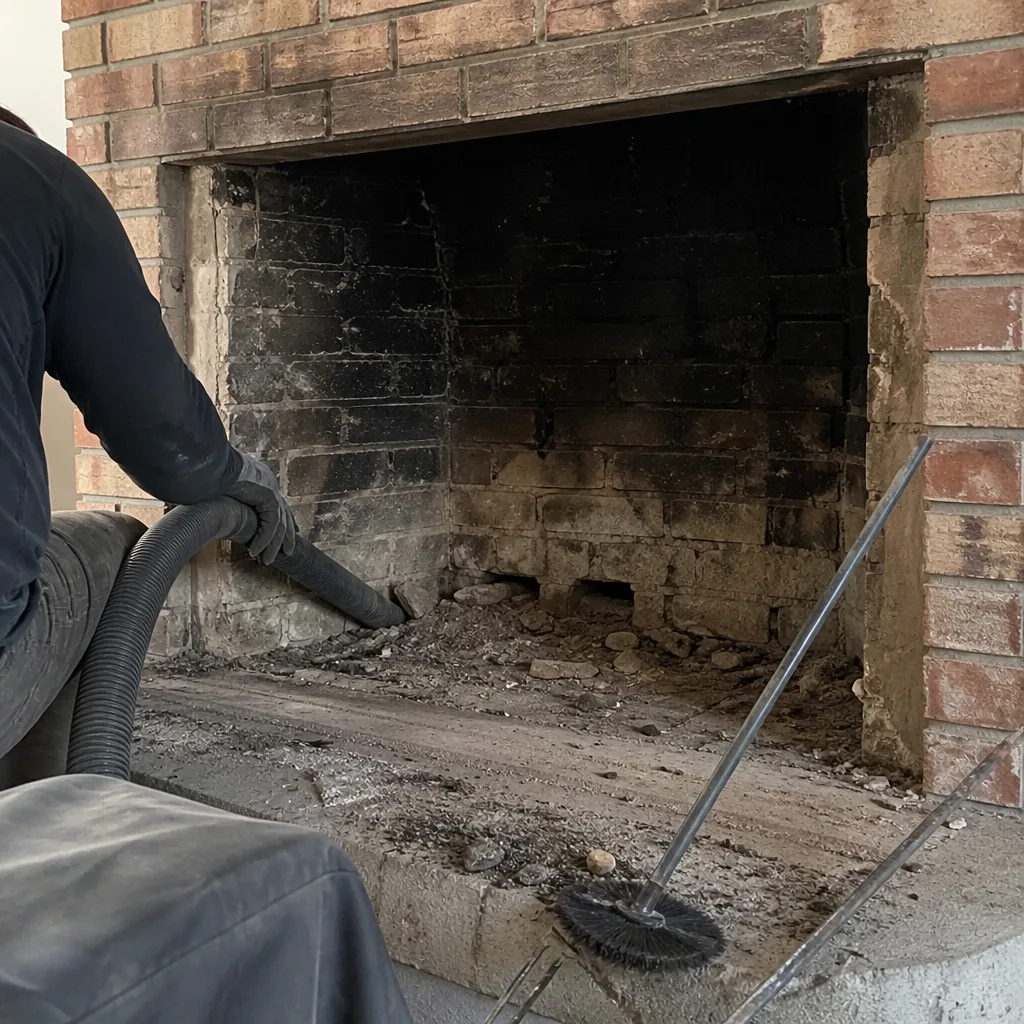 Before
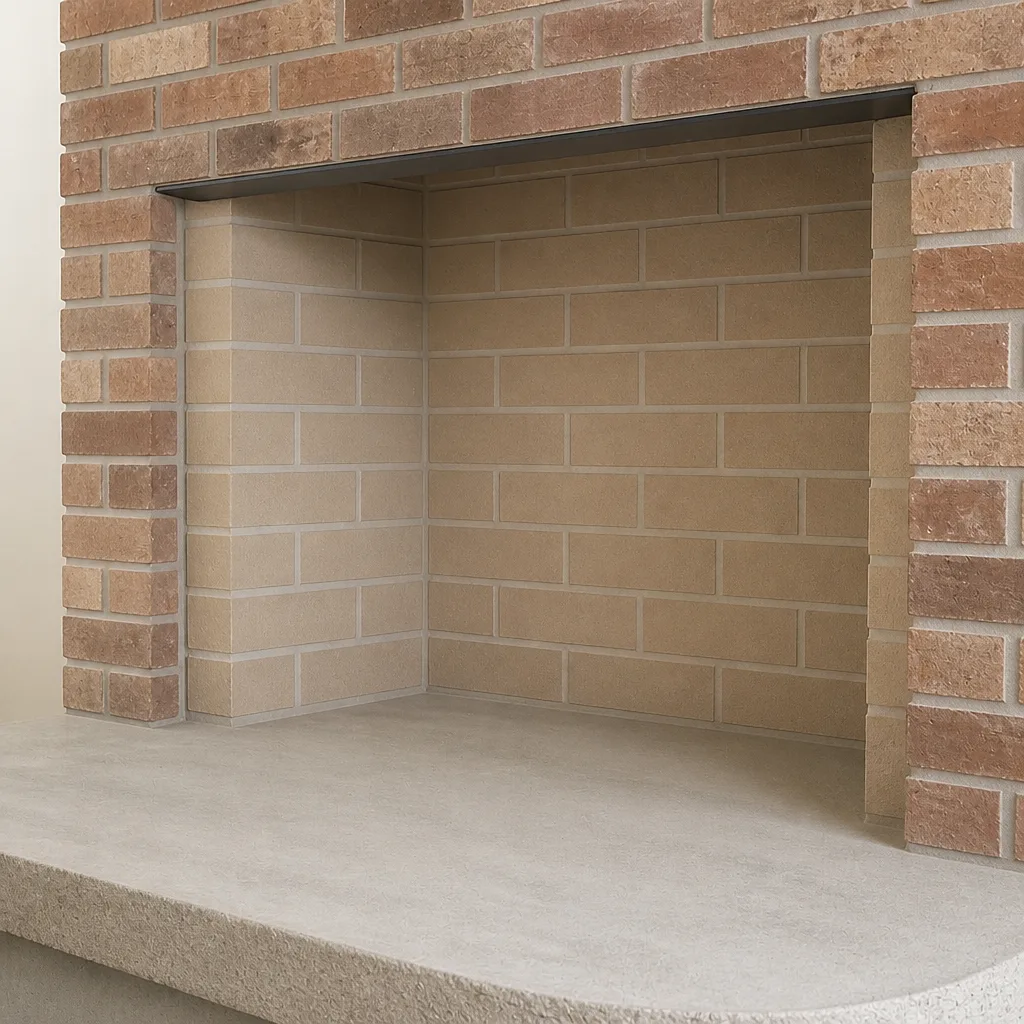 After
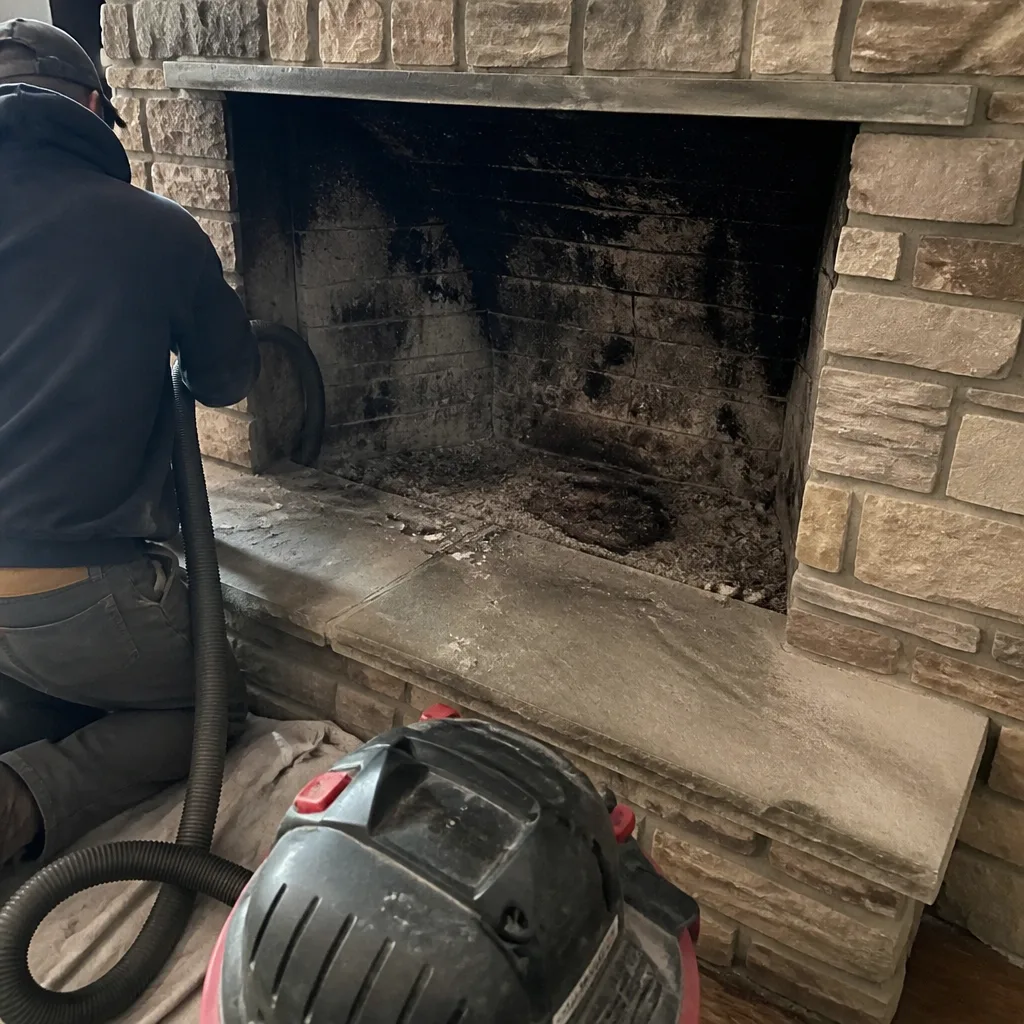 Before
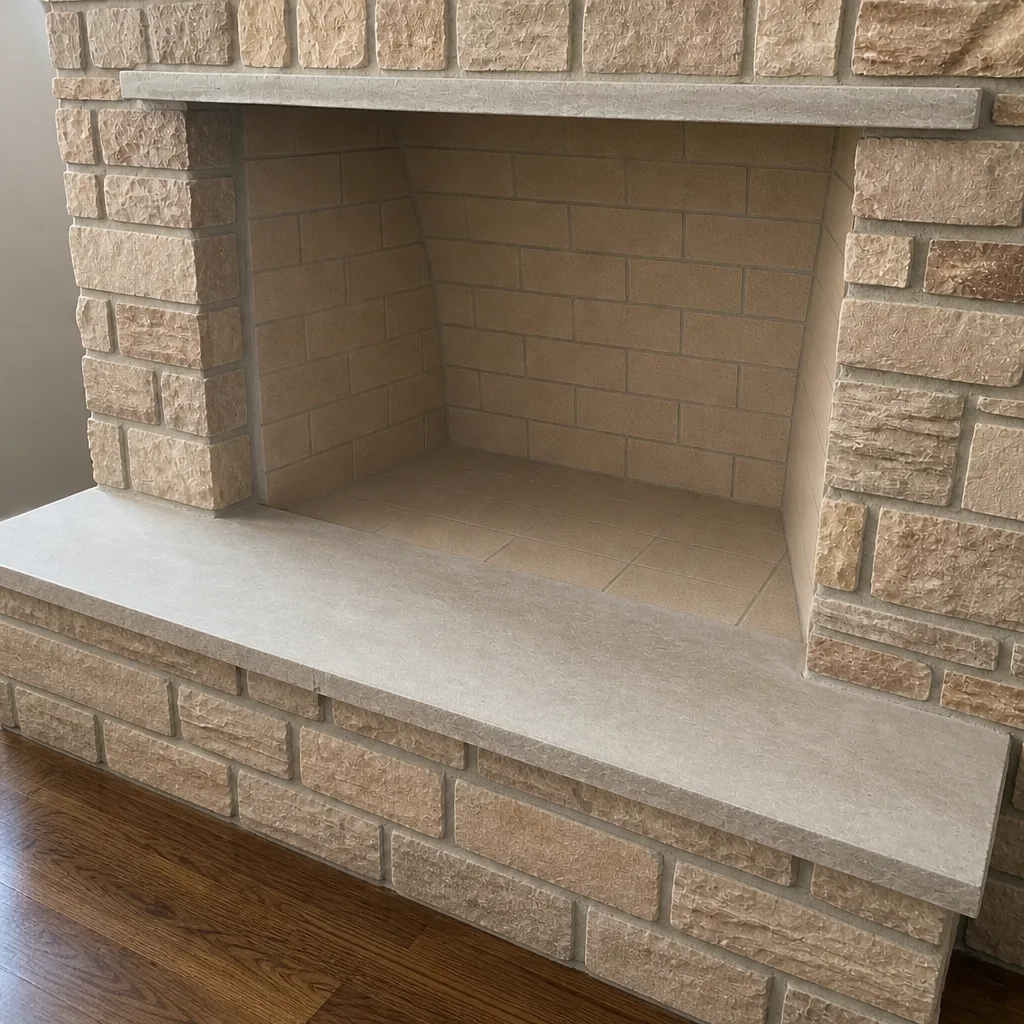 After
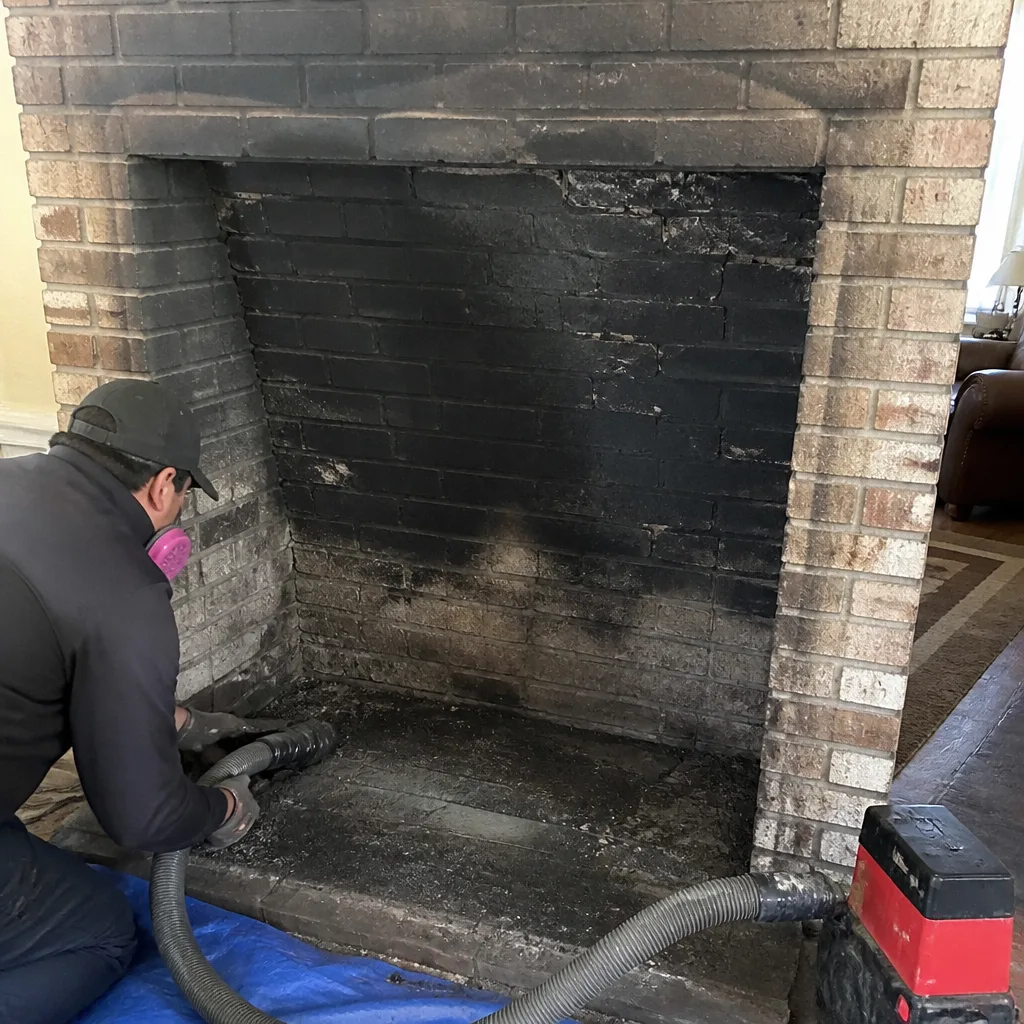 Before
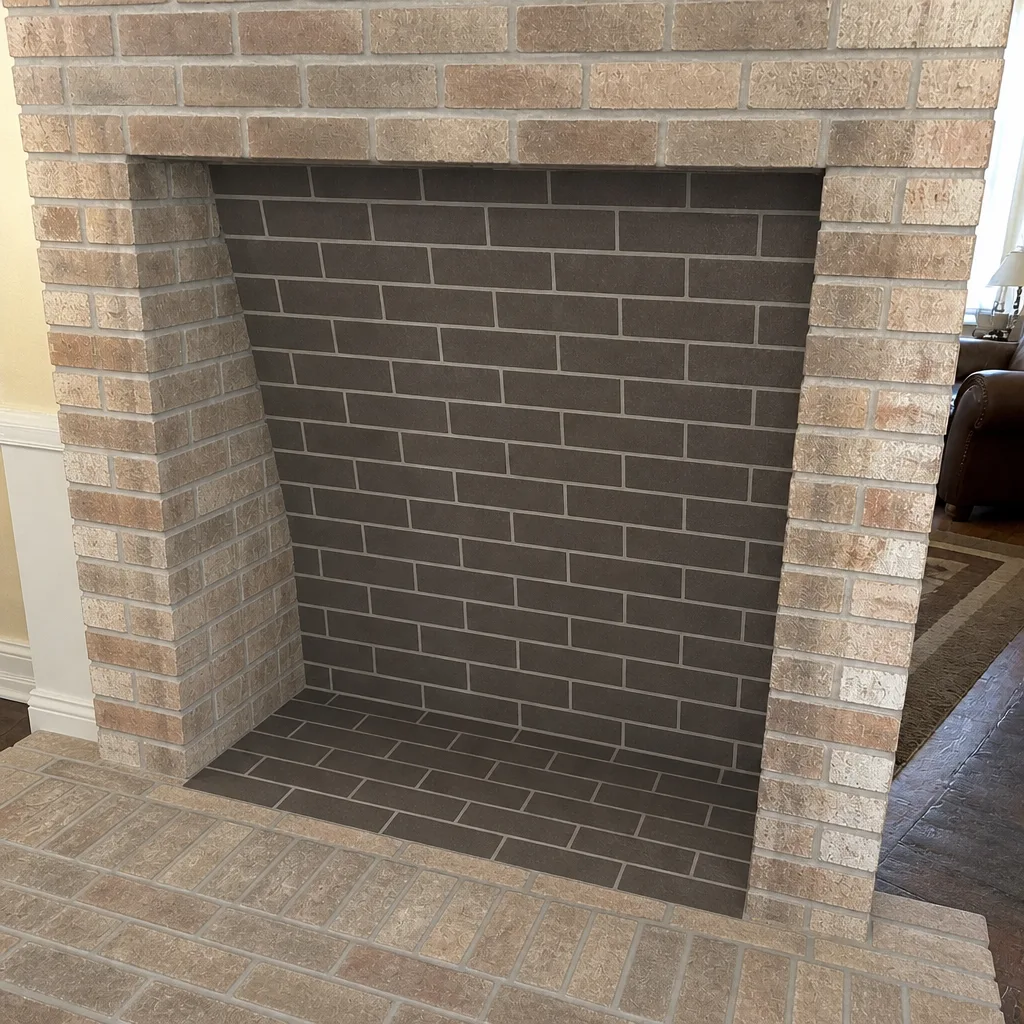 After
When to Call a Professional
Call a professional if your chimney hasn’t been cleaned in a year or more, if you’ve burned more than a cord of wood since your last cleaning, if you notice a strong creosote smell from the firebox, or if the fire is smoking back into the room more than it used to. A chimney fire, a damaged liner, a failed damper, or a crown that’s visibly cracked all warrant a professional visit before the next fire. High-tension components, gas lines, and electrical work belong to trained technicians – these are not jobs to take on yourself. Chimney Sweep Spanish Fork offers free estimates in Spanish Fork – call (877) 492-4380. We answer 24/7. Fast dispatch from 7am to 7pm, Sunday through Friday.
Frequently Asked Questions
Chimney cleaning in Spanish Fork typically runs in line with the local market, with the exact price depending on appliance type, buildup, and whether an inspection is included. The written estimate sets the final price, and we give it before any work begins. Call (877) 492-4380 for an exact quote – estimates are free.
Most wood-burning chimneys should be cleaned once a year, or after roughly a cord of wood, whichever comes first. Because Spanish Fork sits at high elevation with hard cold snaps, heavy burners often benefit from a mid-season check in addition to the annual cleaning. If you’re not sure which fits your use, ask for an inspection and go from there.
Not necessarily. A liner only needs replacement when the existing one is cracked, damaged beyond resurfacing, or no longer meeting the flue’s service needs. A camera inspection tells you which situation you’re in. If the liner is damaged but still serviceable, HeatShield resurfacing can often restore the flue without tearing out the existing liner. Nothing gets recommended without camera evidence you can see for yourself.
Creosote continues to build up, and in Spanish Fork’s cold-snap climate it can move from Stage 1 to Stage 2 or 3 faster than you’d expect. Glazed creosote is highly combustible, and a blocked or narrowed flue can push smoke and carbon monoxide back into the home. The realistic risk is a chimney fire or a carbon monoxide problem, not a guarantee – but it’s the reason an annual check matters. Call (877) 492-4380 for an exact quote – estimates are free.
It can be cleaned without an inspection, but it shouldn’t be. A cleaning removes buildup; an inspection tells you whether the flue, liner, damper, and crown are in safe condition. The annual visit most Spanish Fork homes need includes both. If a sweep offers only a brush-out and no inspection, ask what they’ll do if they find a problem.
Rotary cleaning uses a powered spinning head that reaches into tile liner joints and breaks through hardened Stage 2 and Stage 3 creosote. A standard brush kit removes what’s loose and accessible but can’t reach into joints. On a well-maintained chimney, a standard brush may be enough; on a chimney with advanced buildup, rotary cleaning is what actually removes the residue. For deeper structural work, see the Chimney Sweep Spanish Fork service overview.
The Bottom Line
A chimney cleaning in Spanish Fork isn’t a single task – it’s a decision about fuel type, liner condition, and creosote stage, and each of those determines what “clean” means for your setup. Get a cleaning-plus-inspection visit once a year if you burn regularly, and don’t skip the camera check on older homes with tile liners. Tell your sweep what appliance you have, ask for a report with photo evidence, and treat the cap and crown as part of the job rather than an afterthought. We use contractor-grade materials – DuraFlex, HeatShield, Gelco, Olympia Chimney – because the wrong tools leave problems behind. One call covers sweep, inspect, repair, and protect.
Call (877) 492-4380 for a free estimate. We answer 24/7. Fast dispatch from 7am to 7pm, Sunday through Friday.
Written by the team at Chimney Sweep Spanish Fork.