
Last updated November 24, 2026
 Sweep & inspection
 Caps & crowns
 Flue relining
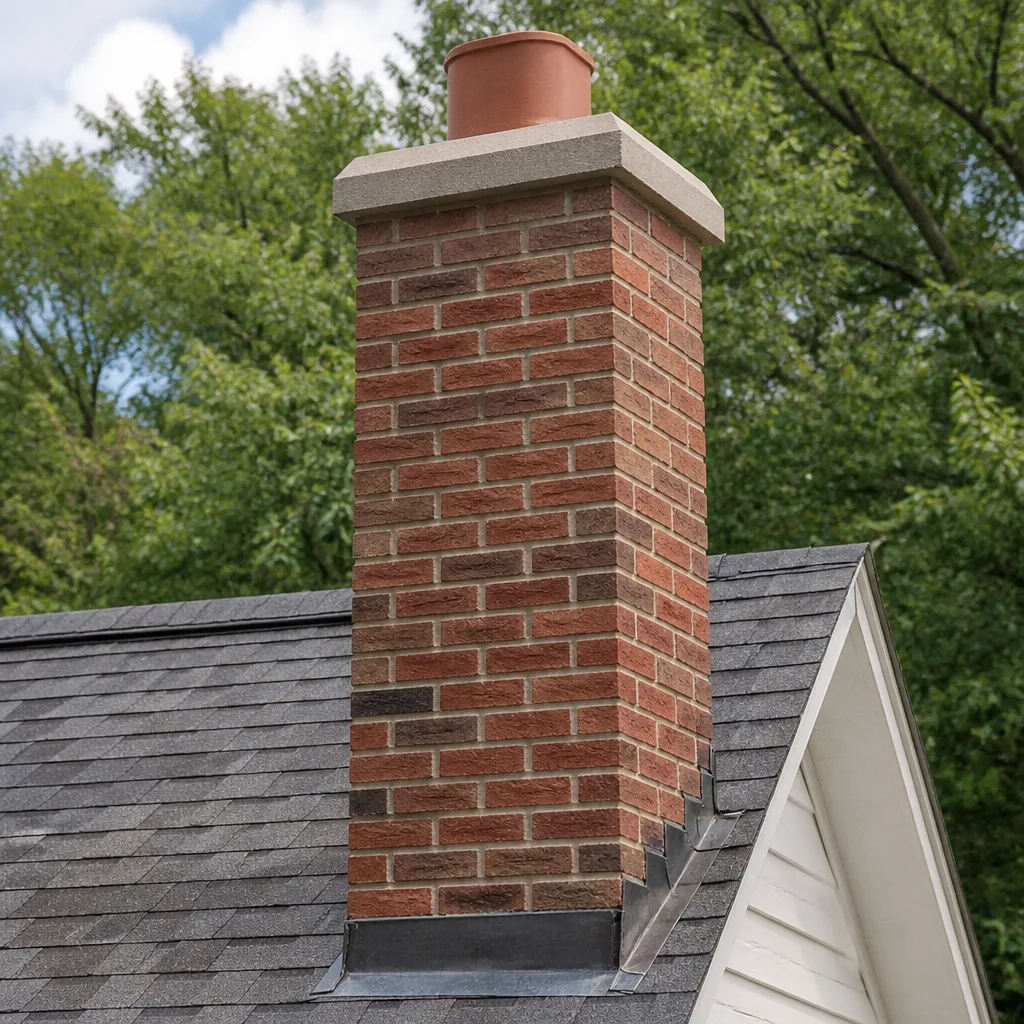 Masonry repair
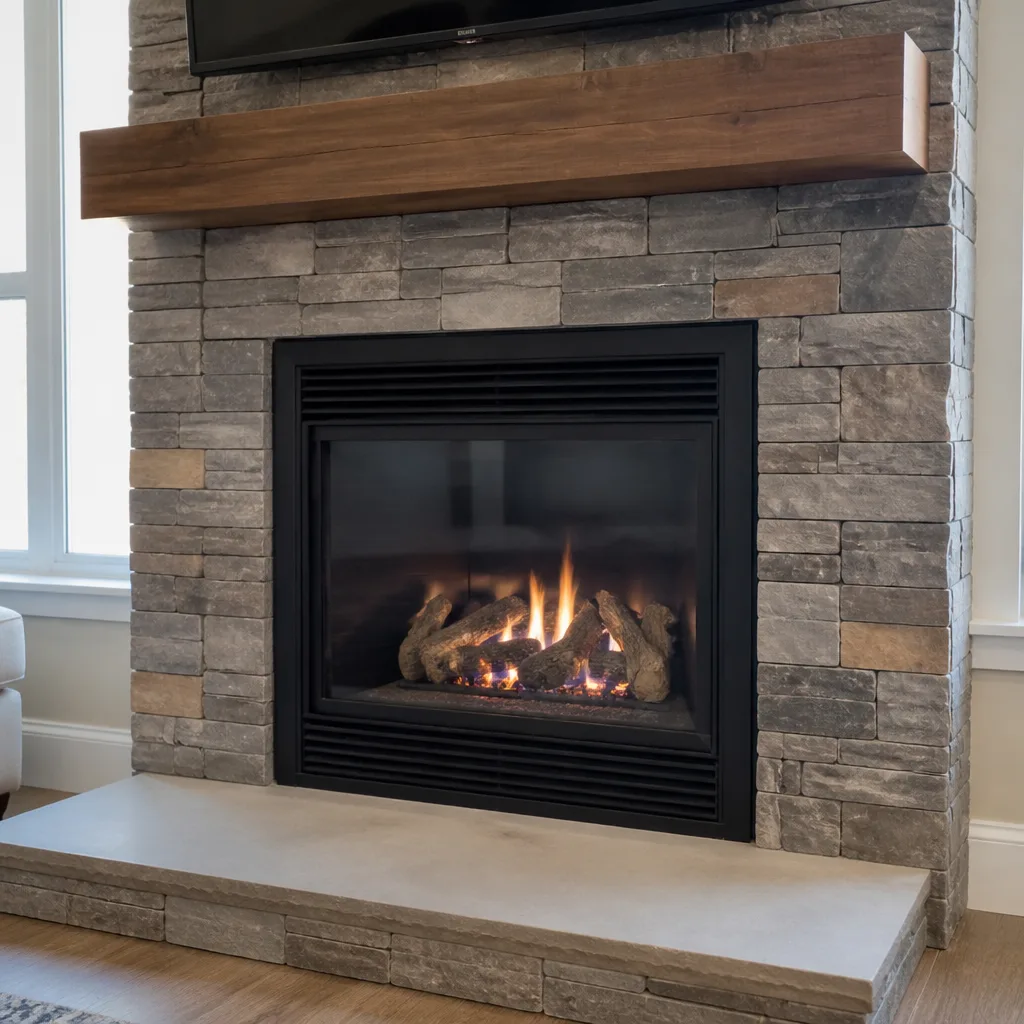 Gas fireplace service
Level 1 sweep and inspection to the NFPA 211 annual standard - flue, crown, cap, and flashing checked and photographed
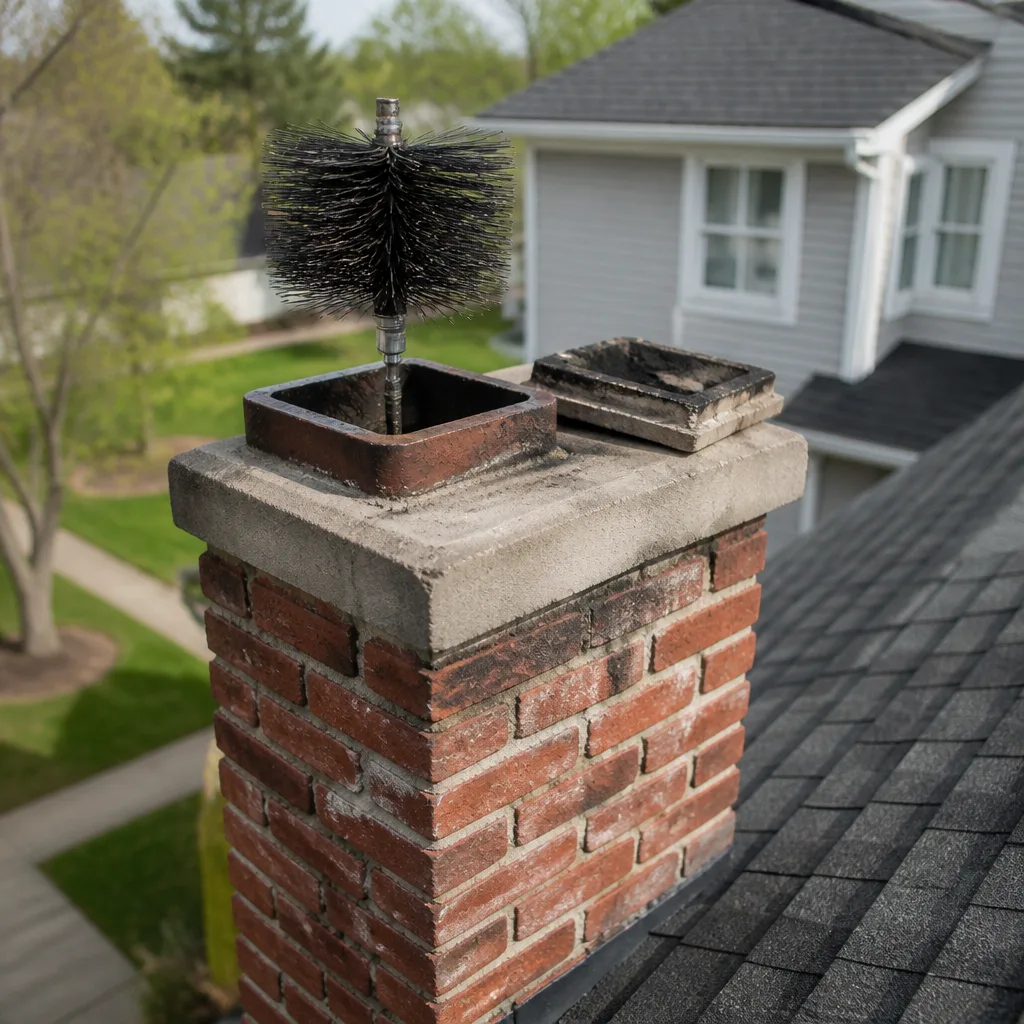
Chimney sweep logs do not sweep chimneys. They loosen some creosote - which then falls where a brush and vacuum still have to collect it.
Chimney Cleaning Cost Breakdown: The Spanish Fork Homeowner’s Reference for 2026
The $89 chimney cleaning coupon that lands in Spanish Fork mailboxes every fall covers exactly one scenario: a gas fireplace with a clean flue and no structural concerns. If your chimney has ever burned wood, that price is a door opener, not a final cost. That isn’t a warning about dishonest sweeps, it’s just how the work breaks down. Cleaning price follows the system type, the creosote stage, and the liner condition, and once you understand that structure you can read a bid in Spanish Fork the way a technician does. Below we lay out 2026 price ranges for each tier, explain why heavy creosote removal is priced separately from a routine sweep, and show you how to tell a lower bid that reflects efficiency from one that quietly cut scope.
Quick Answer
A standard chimney sweep for a wood-burning fireplace in Spanish Fork typically runs $180 to $340 in 2026, and that often includes a Level 1 inspection. A Level 2 camera inspection adds roughly $120 to $250 to the visit. Stage 2 or Stage 3 creosote removal is priced as its own job because the labor and containment are different, and post-inspection repairs like a crown coat or smoke chamber parging are quoted line by line from what the camera actually shows. The written estimate sets the final price every time.
Styles & brands we work with
- Sweep & inspection
- Caps & crowns
- Flue relining
- Masonry repair
- Gas fireplace service
Table of Contents
- What actually drives the price of a chimney cleaning in Spanish Fork?
- What does each service tier cost in Spanish Fork in 2026?
- Why is Stage 2 and Stage 3 creosote removal priced separately?
- What do the common repair line items cost after an inspection?
- How do you read a multi-item repair quote?
- Why do bids from different Spanish Fork contractors vary so much?
- Common mistakes to avoid
- When to call a professional
What actually drives the price of a chimney cleaning in Spanish Fork?
Chimney cleaning price in Spanish Fork is set by four things: the type of appliance, how much and what kind of deposit is inside the flue, how accessible the chimney is from the roof, and whether the technician can confirm the flue is sound. A gas appliance that vents through a factory-built flue with light dust might genuinely be a quick job. A wood-burning fireplace that’s seen five winters of oak and juniper is a different afternoon of work.
The appliance type matters because each system is swept with different tooling. Gas and pellet vents have smaller flues and need softer brushes. A masonry fireplace with an open hearth requires a drop cloth, a HEPA vacuum, and careful work around the damper frame. A wood stove with a six-inch flue is tighter still. The technician can’t know which setup they’re walking into until they see it, which is why a phone quote is always an estimate rather than a firm price.
Access is the second driver. A chimney on a steep-pitch roof in the foothills east of Spanish Fork may take longer to reach safely than one on a flatter roofline closer to downtown. Setup, roof anchoring, and the time to work safely from the top all factor into the labor side of the price. A crew that rushes this to save fifteen minutes is not saving you anything.
The fourth driver is liner condition. If the sweep finds cracked tiles or gaps in a clay liner, the cleaning is done but the chimney is not safe to use until that’s addressed. That’s where the estimate and the camera scope come in, and it’s why a thorough sweep at the front end costs less than discovering a failed liner mid-season. We tell you what we find and quote the fix before we touch anything.
What does each service tier cost in Spanish Fork in 2026?
Prices land in ranges rather than single figures because no two chimneys are identical, but the tiers below reflect what we see in the Spanish Fork market heading into 2026. Treat all of these as typical estimates. The written estimate from the technician on site sets your final price.
| Service tier | Typical 2026 range in Spanish Fork | What it covers |
|---|---|---|
| Standard sweep (wood-burning fireplace or stove) | $180 – $340 | Full flue cleaning, firebox and damper area cleaned, HEPA containment, basic visual check |
| Level 1 inspection add-on | $0 – $75 on top of a sweep | Visual check of accessible portions of the flue, firebox, and cap, often bundled into the sweep |
| Level 2 inspection (camera scope) | $120 – $250 | Video camera run through the full flue, photo report, evaluation of joints, offsets, and liner condition |
| Stage 2 creosote removal | $300 – $650 | Chemical treatment and mechanical removal of glazed creosote from the flue |
| Stage 3 creosote removal | $600 – $1,400+ | Heavy glazed deposit, often requiring rotary tooling and repeat visits |
| Liner camera scoping as a standalone visit | $150 – $300 | Camera-only visit with a full photo report and written findings |
Why so wide a spread? Creosote is the reason. A chimney that’s been swept every year by a careful homeowner has thin, flaky deposit that brushes out in under an hour. A chimney that hasn’t been touched in a decade may have glazed creosote that’s chemically complex to remove and takes two technicians several hours with rotary equipment. The labor difference in that second scenario runs into hundreds of dollars, and it’s why a quote can’t be finalized until someone sees the flue.
The Level 2 inspection is the tier most homeowners should know about. If you’ve just bought a house in Spanish Fork, changed appliances, or noticed a smell or performance change, the camera scope is the report that tells you what’s actually inside the flue. If you’ve owned the house a while and know the liner was clean at the last visit, a sweep with a Level 1 check is usually enough.
One note on pricing language: any quote you receive should use “typical” and “estimated” ranges. Treating a price as an exact figure before the sweep is how homeowners end up surprised. When you book a chimney sweep, the price range should be agreed before anyone arrives and the written estimate should set the final price.
Why is Stage 2 and Stage 3 creosote removal priced separately?
Creosote builds in three stages, and only the first stage behaves like normal soot. Stage 1 is a dry, flaky, dusty deposit that comes out with standard brushing during a routine sweep. Stage 2 is a sticky, tar-like buildup that clings to the flue walls and often needs a chemical treatment to loosen before it can be brushed out. Stage 3 is glazed and hardened to the point that it behaves almost like a ceramic coating on the flue wall, and it’s removed with rotary tooling, sometimes across more than one visit.
The price difference is not markup. It’s time, containment, and equipment. Here’s what a Stage 2 or Stage 3 removal actually involves beyond the sweep:
- Chemical dwell time. A Stage 2 remover is applied and left to work for hours, so the job isn’t done when the brush leaves the flue.
- Rotary tooling. A rotary head that spins at speed on a flexible rod pulls glazed deposit off the walls without damaging the liner. That equipment isn’t used on a routine sweep.
- Containment. Heavier removal generates much more dust and debris. Sealing the firebox opening and running HEPA filtration is part of the job and takes setup.
- Repeat visits. A Stage 3 chimney often needs more than one appointment, and the technician may re-scope after the first to confirm the deposit is gone.
Why does it matter for safety? Creosote is flammable. A Stage 2 or Stage 3 deposit can ignite inside the flue, and the resulting chimney fire is one of the reasons we recommend a sweep before every burning season in Spanish Fork rather than waiting for the flue to fail. If a company offers a single flat price for “cleaning” without differentiating the creosote stage, you can’t tell whether the work will actually solve the problem or whether you’ll be told to book the removal job later.
If you already suspect heavy creosote, ask for the camera scope on the first visit. The report from a Chimney Sweep Spanish Fork technician shows you exactly what’s on the flue wall so you can decide what happens next.
What do the common repair line items cost after an inspection?
After an inspection, most quotes fall into a small set of line items. Knowing the typical 2026 range for each is the fastest way to spot a bid that’s priced outside the Spanish Fork market.
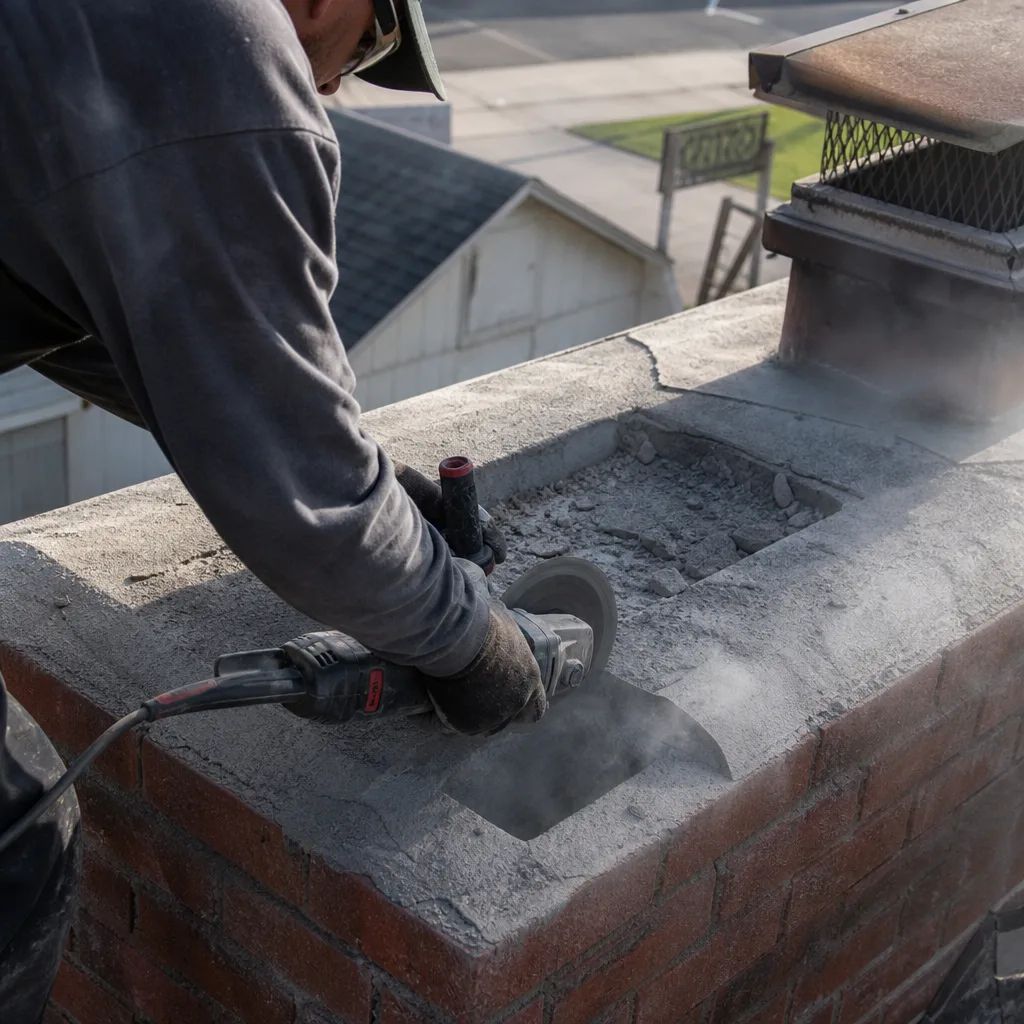
- Crown coat or crown rebuild. The crown is the concrete cap at the top of the masonry chimney that sheds water away from the flue. A crown coat (resealing failing concrete with a flexible coating) typically runs $350 to $750. A full crown rebuild runs $800 to $2,000 depending on the size and shape. This is one of the most cost-effective repairs you’ll ever make on a masonry chimney because the crown is a primary source of water intrusion.
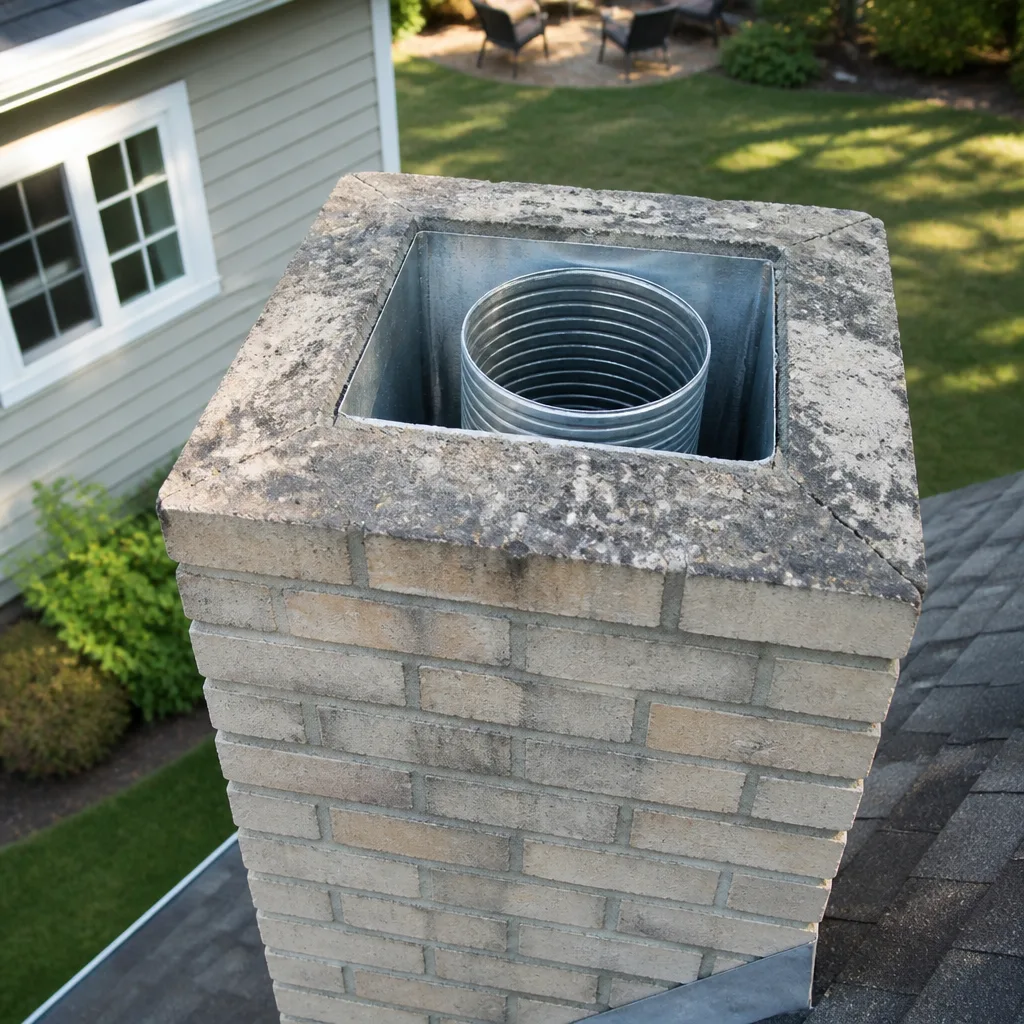
- Liner relining. A stainless flexible liner installed inside the existing flue typically runs $1,800 to $4,500 for a standard single-flue masonry fireplace, and can run higher for a taller chimney or a complex offset. A rigid liner may be an option for a straight flue, but flexible liner systems like DuraFlex are what make the work possible in older, irregular chimneys where rigid sections won’t pass.
- Smoke chamber parging. The smoke chamber is the angled space directly above the damper. Rough, uneven smoke chamber walls slow smoke and contribute to draft problems. Parging smooths those walls with a refractory material, typically $500 to $1,200. HeatShield is one of the products we use for this in-place resurfacing work, which restores a damaged flue or smoke chamber without tearing out the existing liner.
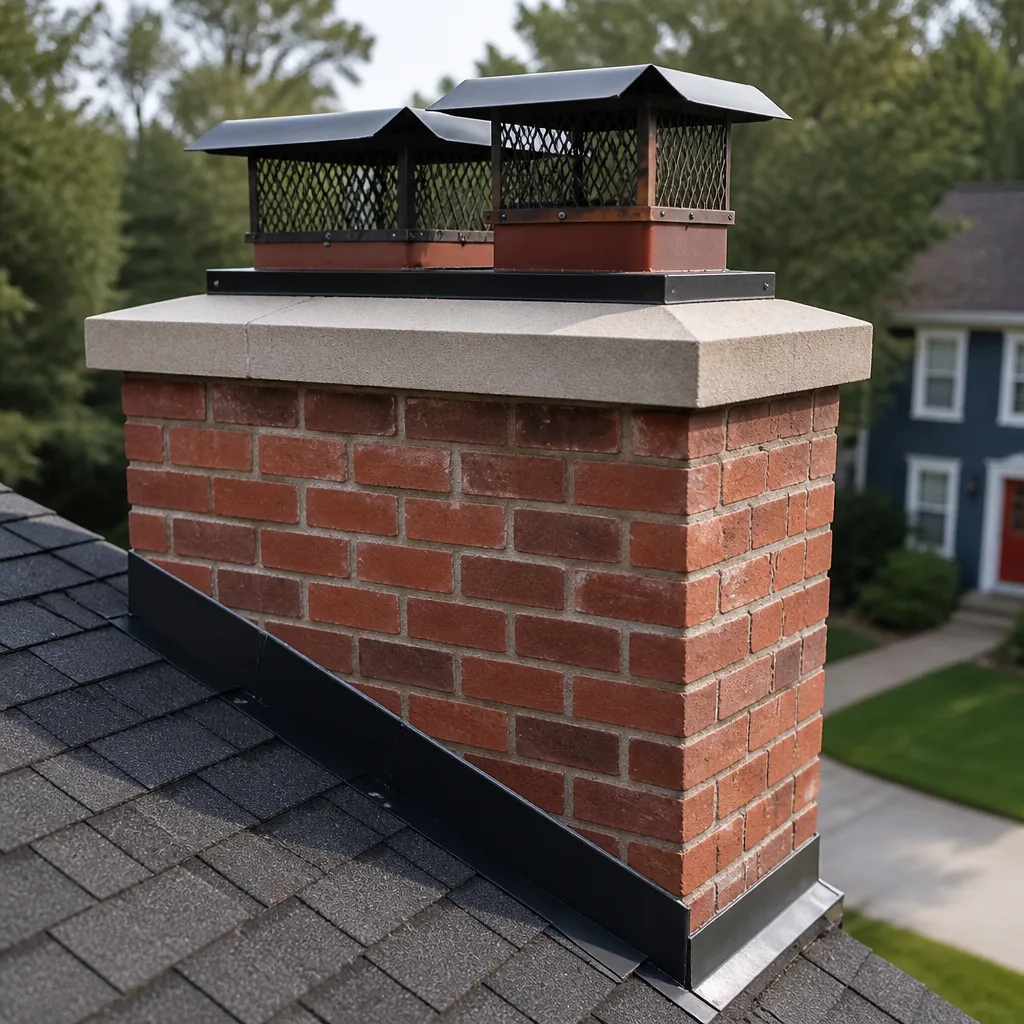
- Cap and crown protection. A chimney cap typically runs $150 to $500 installed, with custom or multi-flue caps at the higher end. This is the item that most often gets left off a competitor’s quote, and it’s also the one that keeps rain and animals out of the flue you just paid to clean.
- Firebox repair. Cracked or spalled firebox brick and the mortar joints behind it are a common post-inspection finding. Repointing and rebuilding range from $350 to $1,500 depending on the extent.
- Damper repair or replacement. A non-sealing or seized damper typically runs $250 to $700 to repair or replace.
These ranges are estimates, not quotes. Every one of them is set per job by the written estimate, and the estimate is free. If you want to compare a line item on a bid you’ve received, this list is the measuring stick. A quote for a crown coat at $2,500 in Spanish Fork is a quote that needs a second look, and a quote for a full liner at $800 is a quote for a liner that probably isn’t rated for the appliance it’s serving.
One more point that matters on any of these: whether the fix is urgent or can wait. A failing crown can usually wait a few weeks if you’re not in a storm cycle. A firebox with a cracked panel that’s letting flames reach the structure cannot wait. If you’re unsure which is which on a bid, our team can walk you through a chimney repair estimate and explain what’s urgent versus what’s maintenance you can schedule later.
How do you read a multi-item repair quote?
Most confusion around chimney pricing in Spanish Fork comes from quotes that bundle five line items into one total. You can’t tell which items are urgent, which are maintenance, and which might be optional unless the quote is broken down. Here’s how we’d sort a bid if it came in for our own house:
- Ask for a written, line-itemed quote. Every item should have its own price and its own plain-English description. A one-line total for “chimney repairs” is not a quote, it’s a placeholder.
- Separate safety items from maintenance items. A cracked liner, a failed firebox panel, and a blocked flue are safety items. A worn crown coat, a missing cap, and a slightly inconsistent damper are maintenance items. You can defer maintenance. You can’t safely defer the safety items.
- Ask for the camera evidence for any liner work. If a liner replacement is recommended, there should be a camera report showing the specific failures. You should be able to see the footage or photos yourself before agreeing to the work.
- Ask what happens if you only do the top two items. A straight quote should be able to tell you clearly whether the remaining items are safe to defer for a season and what the risk looks like if you do.
- Check that cap and crown are included if they need work. A liner repair under a failing crown will be damaged by water again in the next storm cycle. The cap and crown should be addressed on the same quote, not treated as a later upsell.
- Confirm what’s behind the number. Material brand, liner type, and whether the repair uses a professional-grade product should all appear on the quote. If the quote just says “liner installed” with no product name, ask which product and in what grade.
The pattern to watch for is a quote that treats every item as urgent, or one that treats none of them as urgent. A chimney sweep who’s honest about which is which will tell you when a repair can wait. A sweep who won’t say which items are optional is worth a second call.
If your camera report points to firebox damage, our fireplace repair service covers the mortar, brick, and surround work, and we’ll quote it line by line from the same report you’ve already seen.
Why do bids from different Spanish Fork contractors vary so much?
Two bids on the same chimney can differ by hundreds of dollars without either being dishonest. The difference is almost always one of four things, and knowing which tells you whether the lower bid is a better deal or a smaller scope.
- Scope. A bid that includes a HEPA vacuum, a camera scope, and a written report is a larger scope than a bid that includes brushing and a verbal summary. Same flue, different deliverables. Read the scope line, not just the price line.
- Materials. A liner quoted with a generic stainless flexible product and a liner quoted with DuraFlex, HeatShield, or Olympia Chimney are not the same job. Contractor-grade liners and professional-grade products hold up where a hardware-store alternative fails. We use contractor-grade materials, not the hardware-store alternative, and that shows up in the line item.
- Access and setup time. A contractor who has to bring a taller ladder or work a steeper roof pitch will legitimately charge more than one with a flatter, easier chimney. If two bids on the same house differ mainly on the labor line, ask what drives it.
- What’s left off. A lower bid that omits the cap, the crown coat, and the camera scope isn’t a cheaper job, it’s a shorter one. Every one of those items protects the work already done.
There’s also a market factor. Some Spanish Fork contractors work through the busy fall burning season and some only work the shoulder seasons. A company that can schedule you without a long wait may simply have more capacity, which is a scheduling advantage rather than a pricing one. Ask each bidder what their booking timeline looks like before the burning season starts.
We can’t compare bids for you, but we can tell you what a fair bid looks like. If you’ve received a quote in Spanish Fork and want a free second opinion, the team at Chimney Sweep Spanish Fork offers a written estimate that lines up every item, so you can see what’s included.
Common Mistakes to Avoid
- Buying the $89 fall coupon as if it’s a full sweep. As we said at the top, a coupon at that price covers a narrow scenario. If your flue has wood-burning deposit or you’re unsure when it was last cleaned, the price will come in higher, and the estimate is free so there’s no reason to gamble on it.
- Skipping the camera scope when a liner is questionable. If a sweep recommends liner repair without showing you footage or photos, ask for the report first. You’re paying for the evidence, not just the diagnosis.
- Deferring the cap and crown “to next year.” Both are the cheapest forms of water protection you can buy for a chimney. A cap and crown installed across the same quote as other work keeps future water damage from undoing repairs.
- Ignoring creosote staging on the quote. A sweep that treats all cleaning as the same flat job probably isn’t removing glazed deposit. Ask the technician to identify the creosote stage on their report.
- Comparing a total to a line item. A $2,200 total that includes a sweep, a Level 2 inspection, a crown coat, and a cap isn’t comparable to a $600 total that includes only the sweep. Compare total scopes, not total figures.
- Waiting until smells or smoke highlight the problem. If a fireplace in Spanish Fork starts smoking differently than it has in past seasons, or a cold smell shows up when you’re not using it, that’s a sign to schedule a sweep rather than wait for the burning season.
- Assuming a rebuild is the only option for a damaged flue. HeatShield lets us restore a damaged flue without tearing out your existing liner in many cases, and a flexible liner system can often fit where a rigid one won’t. A quote that jumps straight to a full rebuild is worth questioning.
When to Call a Professional
Some situations don’t wait for a fall appointment. If you’ve had a chimney fire, however small, or noticed puffy, glazed deposit on the flue walls yourself, don’t burn again until a technician has scoped it. If smoke comes back into the room when the damper is open, or you smell a strong creosote or soot odor in the house during warm weather, that’s the flue asking for attention. A missing cap, a crumbling crown, or loose chimney bricks on the roof all point to structural water damage that only gets more expensive the longer it sits. If you’re in a new-to-you house in Spanish Fork and don’t know when the chimney was last swept, a sweep with a Level 2 inspection is the right first step. Chimney Sweep Spanish Fork offers free estimates in Spanish Fork. Call (877) 492-4380. We answer 24/7. Fast dispatch from 7am to 7pm, Sunday through Friday.
See the difference
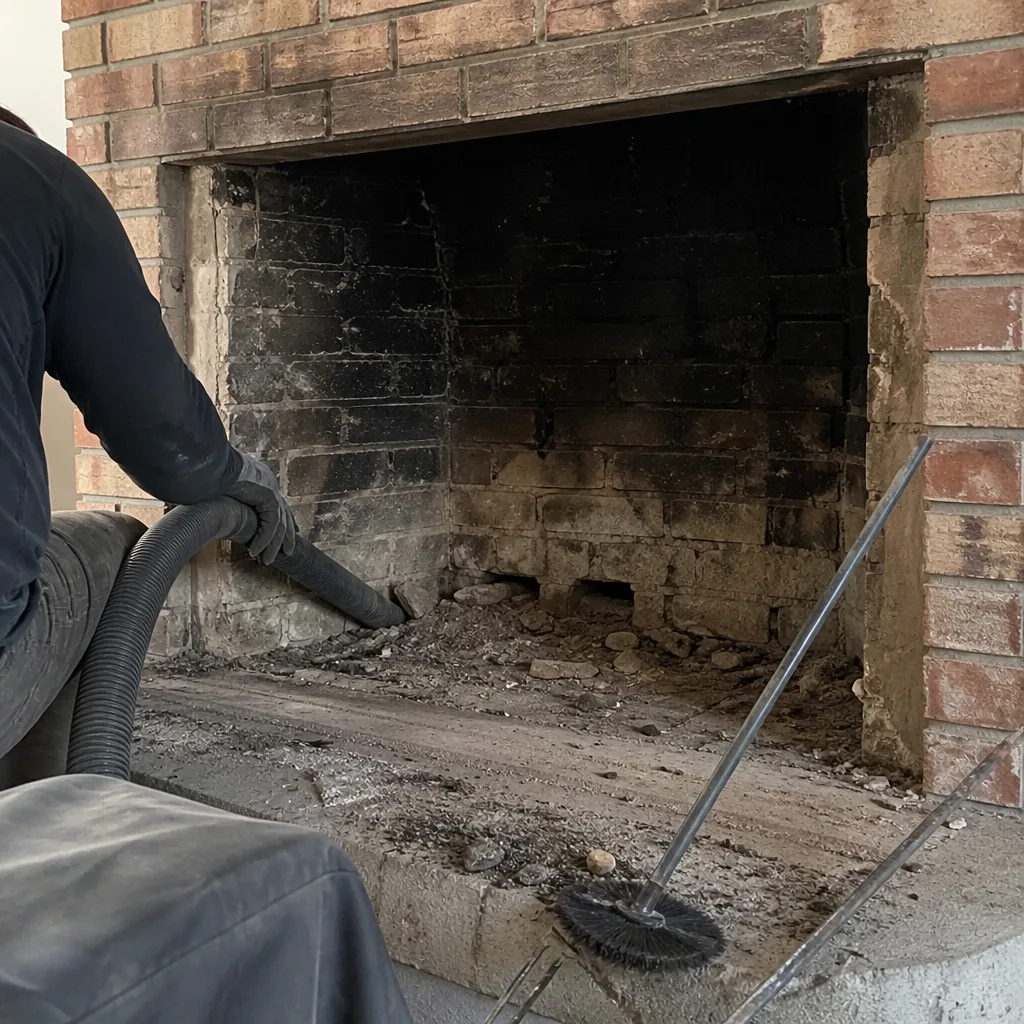 Before
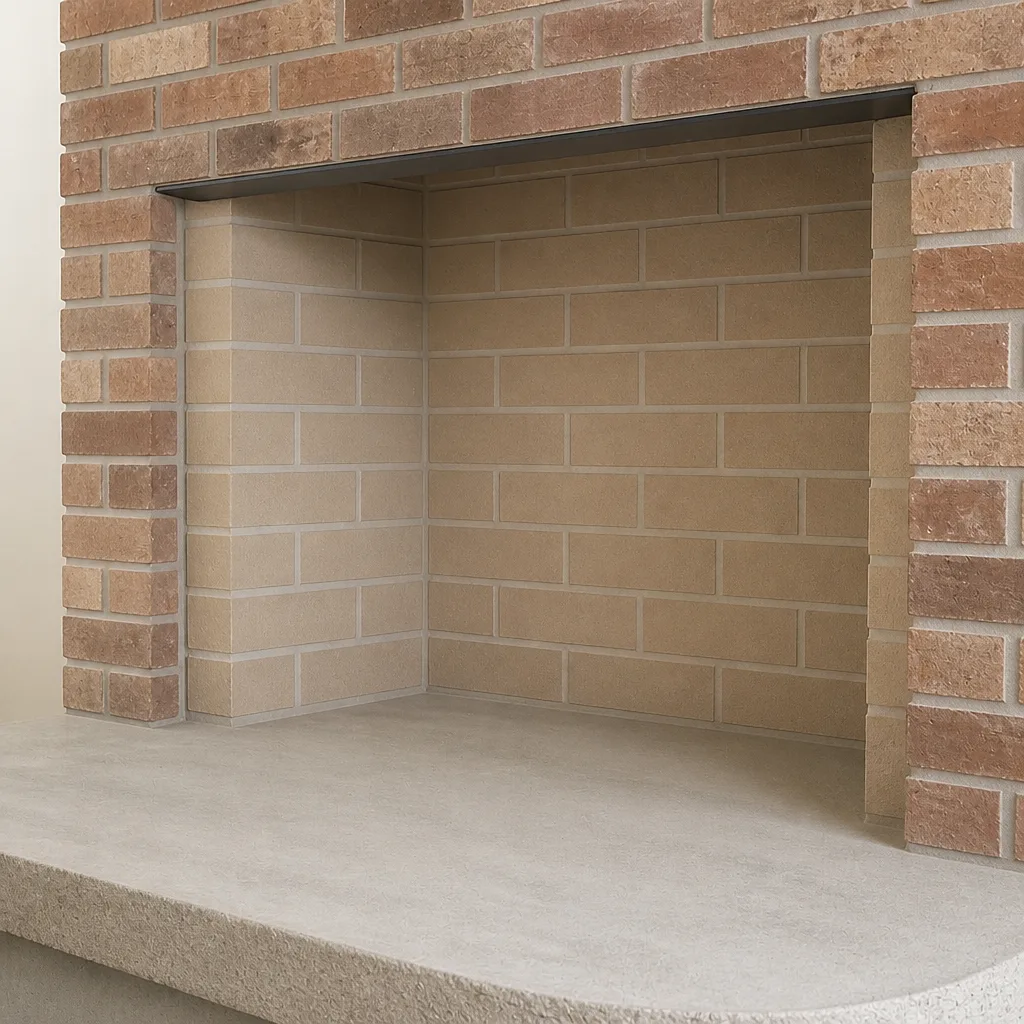 After
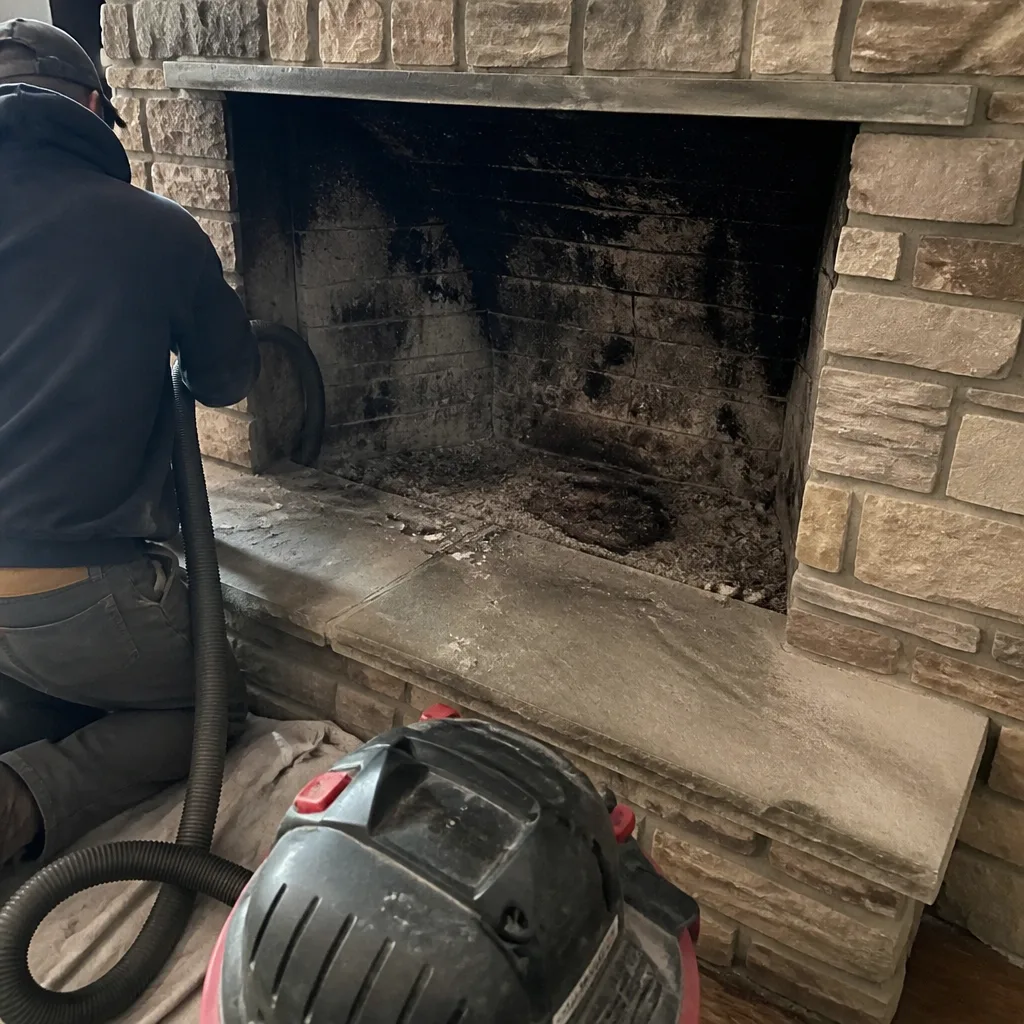 Before
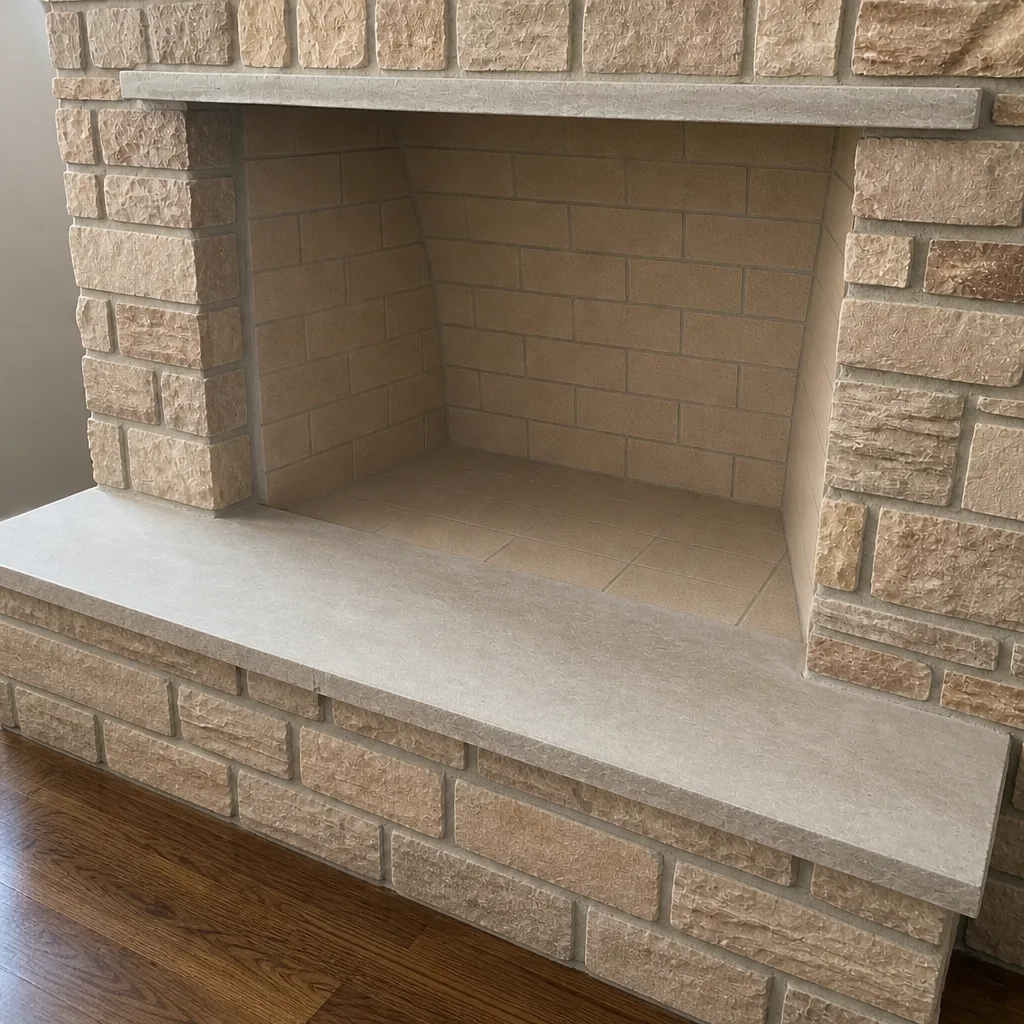 After
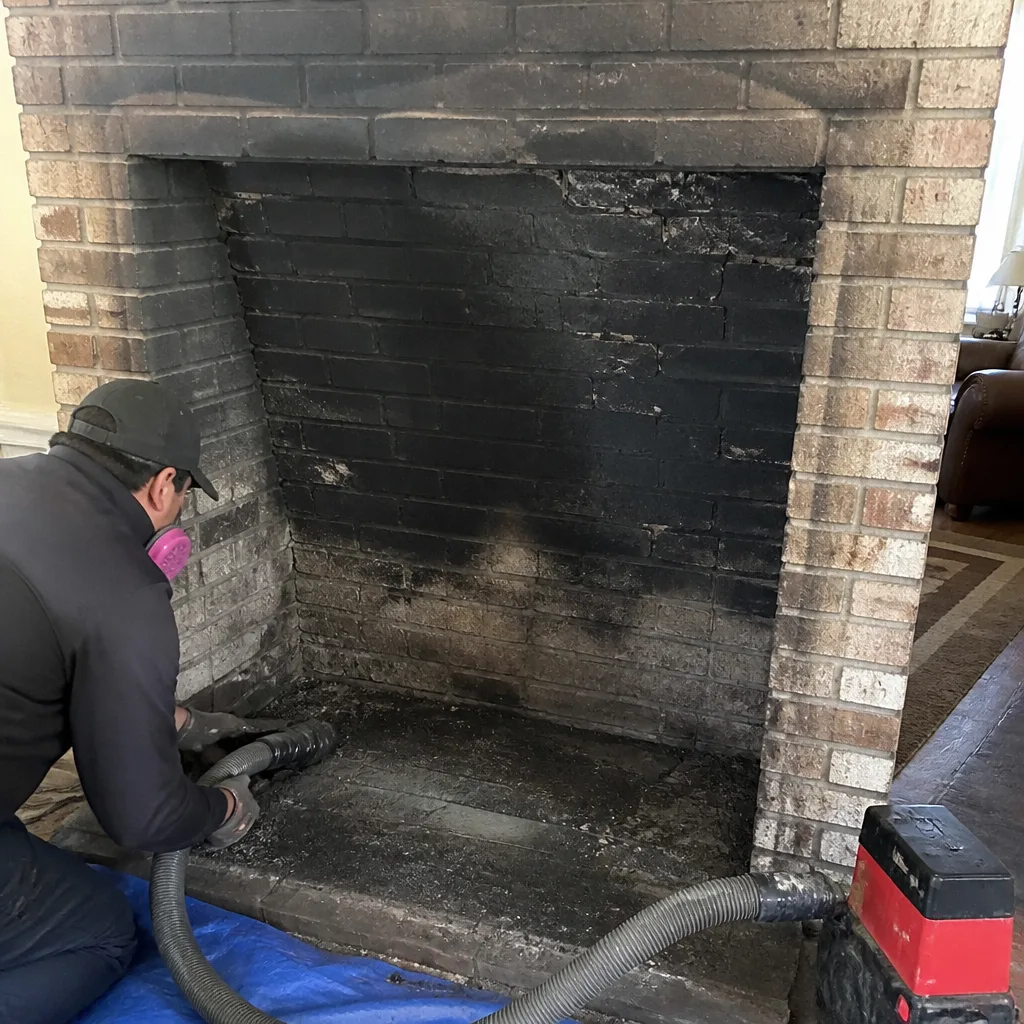 Before
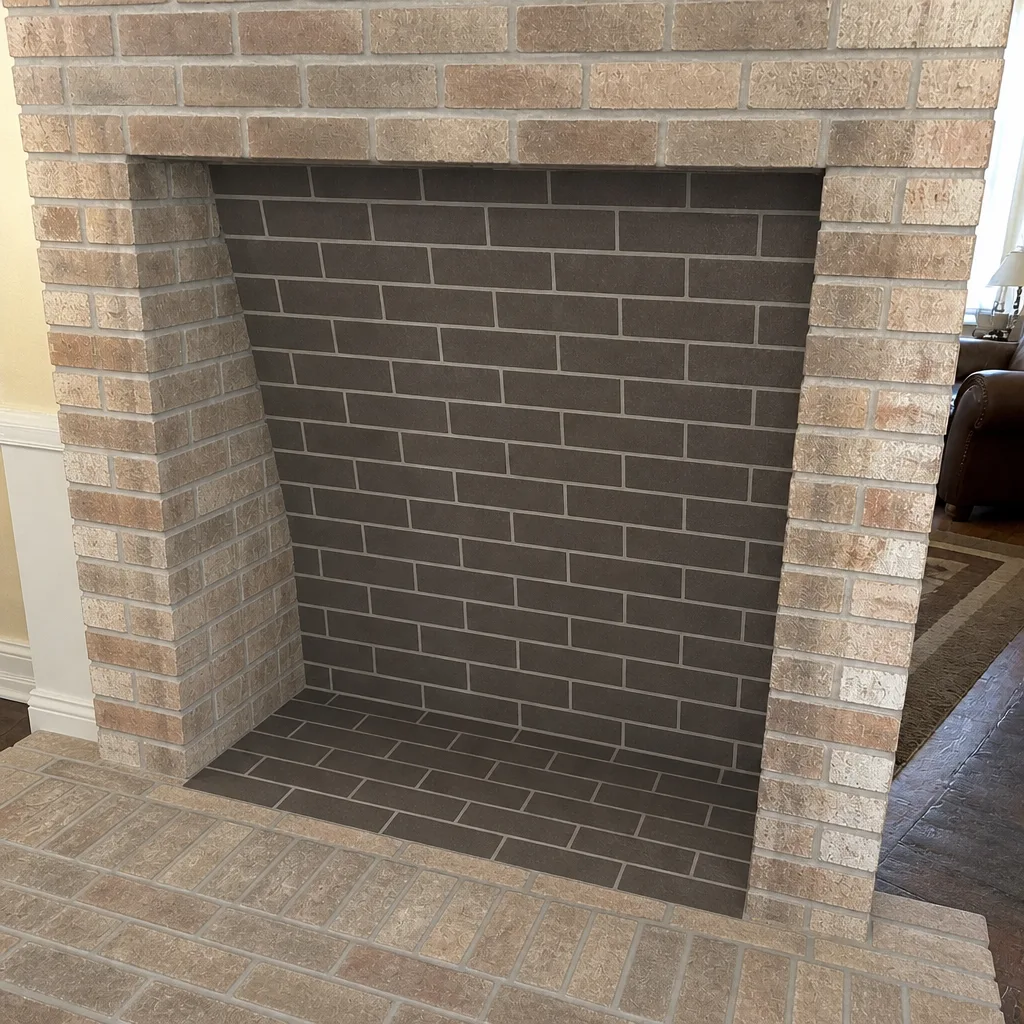 After
Frequently Asked Questions
A standard chimney sweep in Spanish Fork typically runs $180 to $340 in 2026, and that usually includes a Level 1 inspection. If your flue needs glazed creosote removal or a camera scope, that’s priced as a separate line item, and the written estimate sets the final price. Call (877) 492-4380 for an exact quote. Estimates are free.
Not always. A liner needs replacement when the camera scope shows a crack that breaches the flue, a joint that’s separated, or a flue that’s too small for the appliance connected to it. In many cases a HeatShield resurfacing restores a damaged flue without tearing out the existing liner, which is a different price than a full liner replacement. The camera report tells you which fix is right for your chimney, and you should see it before agreeing to any liner work. Call (877) 492-4380 for a free estimate if you have a report you’d like walked through.
For a regularly used wood-burning fireplace, a sweep once a year before the burning season is the working standard. If you burn often through the winter or burn unseasoned wood, you may need a midseason check. A gas appliance with a factory-built flue usually needs less frequent sweeping but should still be inspected on a regular schedule. Call (877) 492-4380 to schedule a sweep before the season starts.
Creosote builds up in layers, and the deposit hardens into Stage 2 and Stage 3 over time. At the glazed stage, a hot fire in the firebox can ignite the deposit on the flue wall, which is a chimney fire. On a masonry chimney the more common issue is water intrusion through a failing crown or missing cap, which causes the liner to crack and the firebox to spall. Skipping a sweep is less a question of if the flue needs cleaning and more a question of how much less expensive the cleaning is compared to the repair. Call (877) 492-4380 for a free estimate before the problems compound.
Yes, it’s a separate service. A routine sweep removes Stage 1 flaky deposit with a brush. Stage 2 removal involves chemical treatment and dwell time to soften the tar-like deposit before it can be brushed out, and Stage 3 removal uses rotary tooling across one or more visits. The labor difference is why the price is different, and why a flat “cleaning” quote on a chimney with glazed deposit doesn’t cover the work. Call (877) 492-4380 for a scope that identifies the stage before you commit.
A chimney cap is not an upsell, it’s the reason repairs last. A cap keeps rain, snow, birds, and debris out of a flue you just paid to clean, and it keeps the crown from doing all the water-shedding work on its own. In the Spanish Fork climate, freeze-thaw cycles on a failing crown are a leading cause of masonry chimney damage. A cap and crown installed across the same visit as the cleaning keeps the sweep and the repairs working. Call (877) 492-4380 to have a cap quoted with your estimate.
The Bottom Line
Chimney cleaning pricing in Spanish Fork isn’t a mystery once you know the structure. The sweep price sits in a $180-$340 range, the Level 2 inspection adds $120-$250, creosote removal is priced by stage, and the common post-inspection repairs have established ranges you can measure a bid against. The discipline that protects you is simple: ask for line-item pricing on any multi-item quote, ask for the camera evidence behind any liner recommendation, and push for a clear answer on what’s urgent versus what can wait. That’s the difference between a bid that reflects the work and one that reflects the price. Chimney Sweep Spanish Fork covers the full system, from sweep through structural repair, using professional-grade materials like DuraFlex and HeatShield. Call (877) 492-4380 for a free estimate.
Written by the team at Chimney Sweep Spanish Fork.