
Last updated November 24, 2026
 Sweep & inspection
 Caps & crowns
 Flue relining
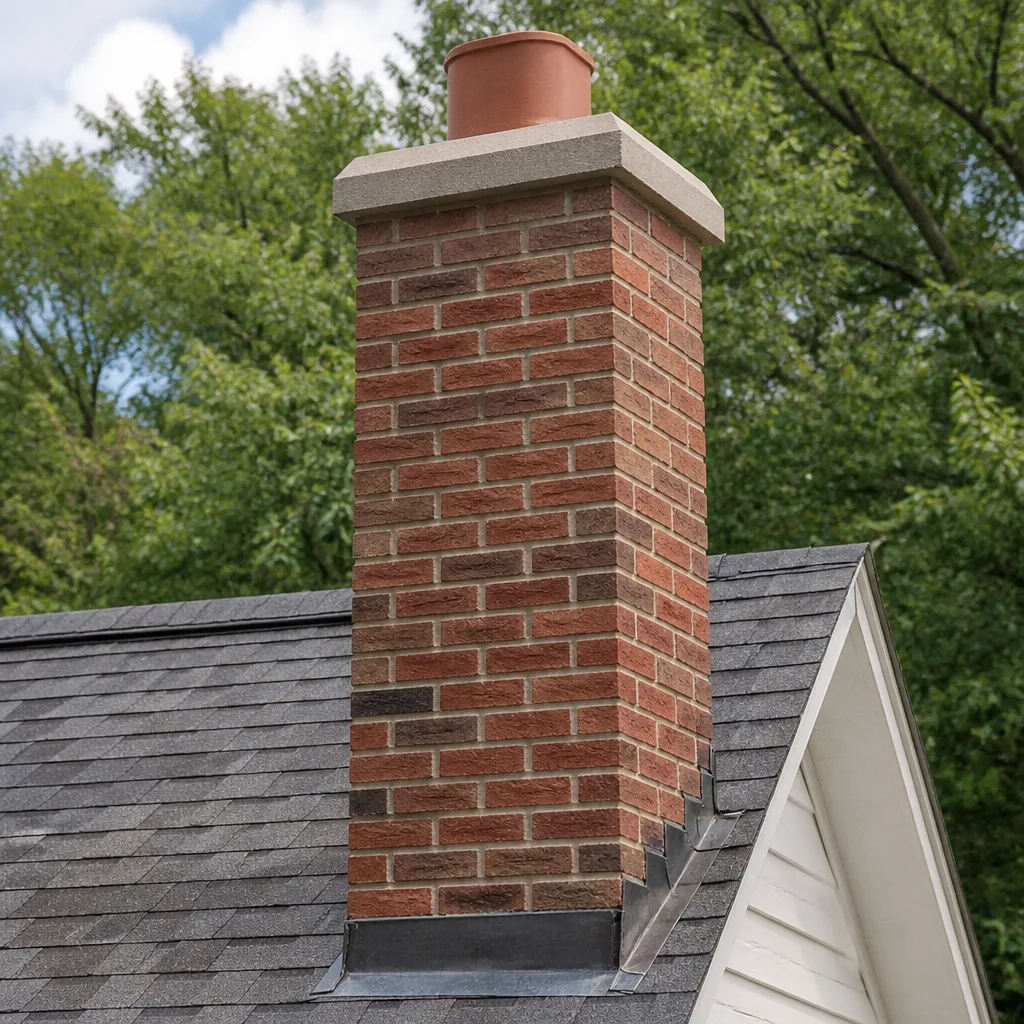 Masonry repair
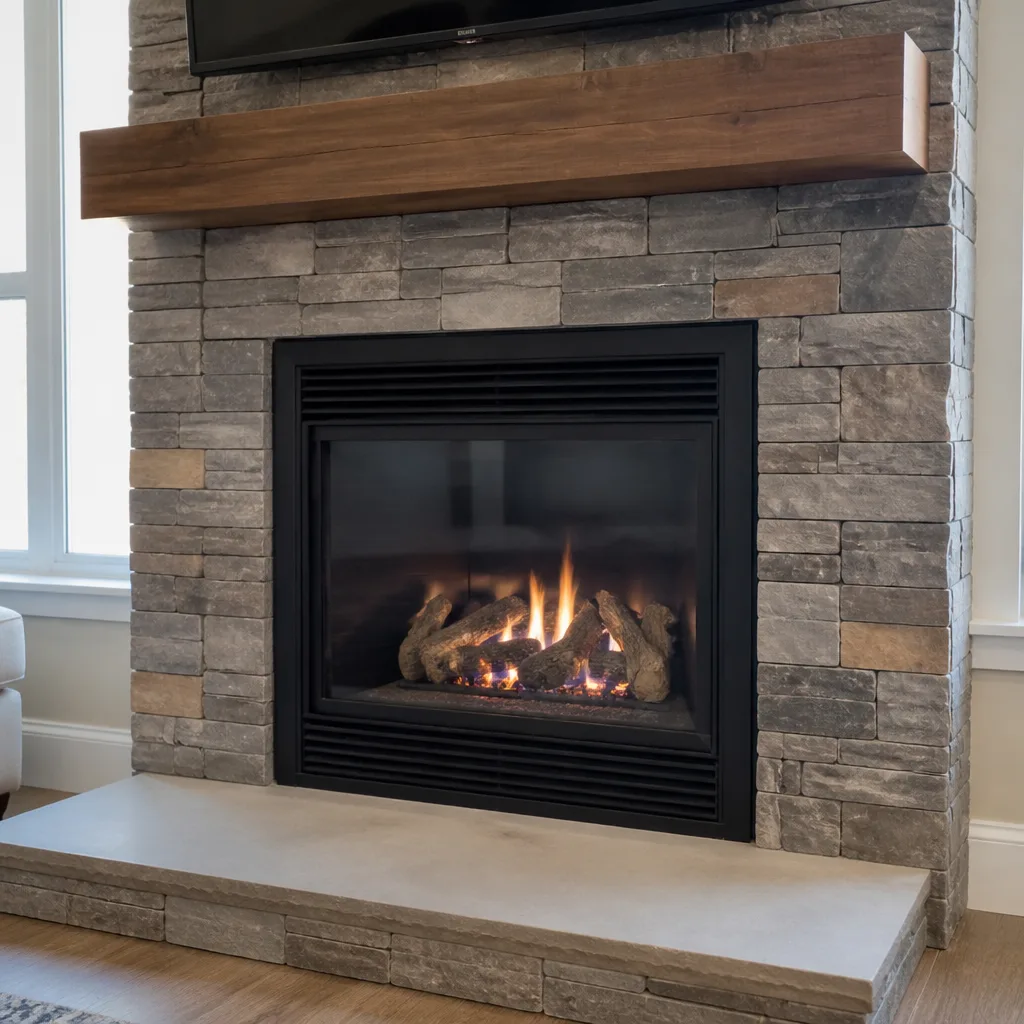 Gas fireplace service
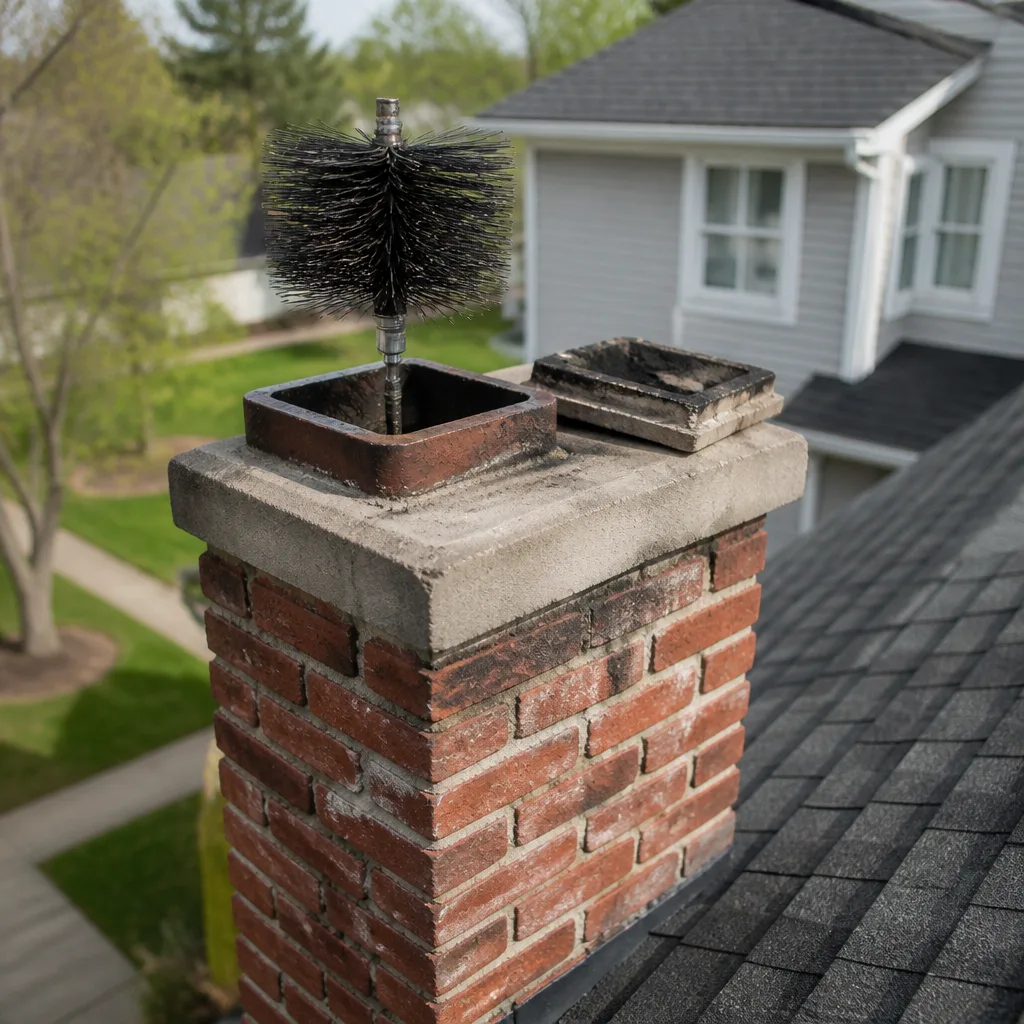
Level 1 sweep and inspection to the NFPA 211 annual standard - flue, crown, cap, and flashing checked and photographed
Chimney sweep logs do not sweep chimneys. They loosen some creosote - which then falls where a brush and vacuum still have to collect it.
Chimney Sweep Maintenance Schedule: What to Do and When
Most homeowners treat a yearly sweep like a checkbox: one visit, one receipt, done until next fall. That works for a household burning a cord or less. It doesn’t work for the active wood burners we meet around Spanish Fork, who are often on their second or third cord by February and don’t realize the creosote has been building the whole time. The right schedule isn’t a single appointment. It’s a calendar that follows your fuel, your burn volume, and the freeze-thaw cycles that hammer Utah masonry every spring. Here’s what to do, month by month, so nothing gets skipped.
Quick Answer
Most Spanish Fork households should book a full inspection and sweep in early fall, check creosote buildup again once they pass two cords of wood, and schedule a spring check of the cap and crown after the last freeze. Gas and pellet inserts follow different intervals, but each still needs at least an annual inspection. A single yearly sweep is a minimum, not a complete schedule.
Styles & brands we work with
- Sweep & inspection
- Caps & crowns
- Flue relining
- Masonry repair
- Gas fireplace service
Table of Contents
- Why the Annual Standard Is a Floor, Not a Ceiling
- The Seasonal Maintenance Calendar
- How Fuel Type Changes Your Schedule
- Creosote Stages and When Mid-Season Cleaning Is Needed
- Monthly Checks Homeowners Should Do Themselves
- Why Spring Inspection Matters in Utah
- Cap and Crown: The Part Everyone Forgets
- Common Mistakes to Avoid
Why the Annual Standard Is a Floor, Not a Ceiling
The annual chimney inspection recommendation exists for a reason, but it was written around an average household: a few fires a week through the cold months, under two cords of wood, a fireplace that’s decorative more than functional. Plenty of homes in Spanish Fork don’t fit that picture. Wood-burning inserts, older masonry fireplaces, and families who heat with wood through January and February burn well past that baseline, and the residue builds faster than a once-a-year sweep accounts for.
Think of the annual service as the floor. For low-use homes, the floor is the whole schedule. For high-use homes, the floor is where the schedule starts, and the real work is checking buildup at the point where a fire has actually been running hard. The gap between those two cases is where most avoidable problems live: a flue that was clean in October and glazed by February, or a crown crack that opened during the first hard freeze and started letting water in before anyone noticed.
Our technicians have up to 9 years of experience, and the pattern is consistent. The homeowners who call about a smoky fireplace or a draft that got worse mid-season are almost always the ones running the fireplace daily, not the ones burning a few cords a month. Matching the schedule to how you actually use the fireplace is the whole point of this guide.
The Seasonal Maintenance Calendar
A workable chimney schedule for Spanish Fork breaks into three service points across the year, plus monthly checks you do yourself. Here’s how the year lines up.
- Early fall (before burn season): Full inspection and sweep. This is the visit that sets the baseline. We clean the flue, check the firebox, damper, and smoke chamber, and look at the cap and crown before the first fire. Booking ahead of the first cold snap means you’re not waiting behind every other household in the valley.
- Mid-winter (around the two-cord mark): Creosote check. If you’ve burned through about two cords of wood, that’s the point where a quick inspection of the flue tells you whether a mid-season cleaning is needed. This isn’t a full sweep every time. It’s a check to confirm the buildup is still in a safe range.
- Spring (after the last freeze): Cap and crown assessment plus a look at the masonry. Winter is when freeze-thaw damage to mortar and crowns shows up. A spring check catches cracks and loose mortar before summer rain gets into them.
That’s the spine of the year. Everything else in this guide refines it: your fuel type changes the intervals, and your burn volume tells you whether the mid-winter check is a formality or a necessity.
How Fuel Type Changes Your Schedule
A wood fire, a gas insert, and a pellet stove all produce different residue and fail in different ways. Treating them the same is one of the more common scheduling mistakes. Here’s how the maintenance intervals and problem points differ by fuel.
Wood-Burning Fireplaces and Inserts
Wood is the highest-maintenance fuel. Creosote accumulates in the flue, and the rate depends on how hot and how often you burn. Annual sweeping is the floor, and a mid-season check at the two-cord mark is worth doing for anyone burning regularly. The failure points are creosote buildup, glazed flue walls, and cracks in the firebox or smoke chamber that let heat reach framing.
Gas Inserts and Gas Logs
Gas burns cleanly, so there’s no creosote to speak of, but gas appliances still need an annual inspection. The things to watch are the venting, the burner and log arrangement, and any sign of incomplete combustion. A gas fireplace that’s venting properly is low-maintenance; one that isn’t is a carbon monoxide concern, and that’s why the annual check matters even with a clean-burning fuel.
Pellet Inserts and Stoves
Pellet appliances produce less creosote than wood but generate more ash and can build up fly ash in the venting, especially the exhaust path. Annual service covers the venting and the firebox. If you run a pellet stove hard through the winter, a mid-season check of the venting is a reasonable addition to the schedule.
One detail that spans all three: the chimney cap and crown are part of the system no matter what you burn, and they fail for the same reason across fuel types. More on that below.
Creosote Stages and When Mid-Season Cleaning Is Needed
Creosote is the main reason chimney sweeping exists, and it doesn’t arrive in one form. It progresses through three stages, and knowing which stage you’re at tells you whether a mid-season cleaning is necessary or whether you can wait for the next scheduled sweep. A professional inspection identifies the stage by looking at the flue.
Stage 1: Soot and Flaky Creosote
The lightest stage, and the easiest to remove with a standard sweep. It looks like soot or a thin flaky coating on the flue walls. This is normal for a fireplace that’s been burned correctly with dry wood and good airflow. If an inspection finds only Stage 1 buildup, the flue is in reasonable shape and the standard annual sweep is enough.
Stage 2: Crusty, Brittle Creosote
As the residue thickens, it turns crusty and brittle and clings harder to the flue walls. A standard brush sweep can still remove it, but it takes more work, and it signals that your burn habits or your wood moisture are pushing buildup faster than the annual sweep assumes. Stage 2 is where a mid-season cleaning becomes a reasonable call for a household that’s still got wood to burn.
Stage 3: Glazed, Hard Creosote
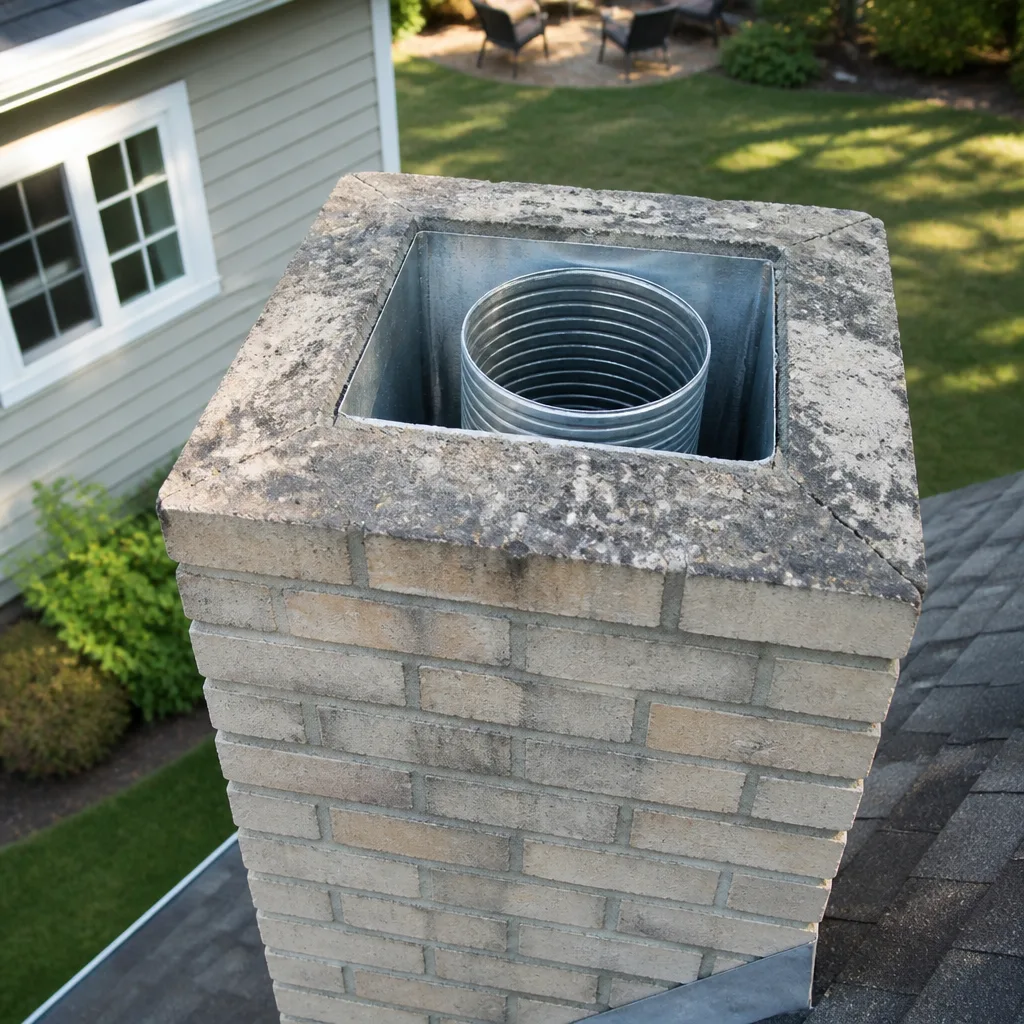
The most stubborn form, a hard, shiny glaze on the flue walls. Brushing alone won’t remove it, and it’s the stage that most increases the risk of a chimney fire because a thick glaze of fuel is sitting right where the heat goes. Stage 3 buildup is the reason not to skip a mid-season check if you’ve been burning heavily. It also may call for more than a sweep: a damaged or heavily glazed flue can sometimes be restored with HeatShield resurfacing rather than a full liner tear-out. We handle that restoration work directly, which means you’re not handed off to another contractor if the inspection finds a problem.
If you’ve burned past two cords and you’re not sure which stage you’re at, that’s the moment to book a check. We tell you what we find and quote the fix before we touch anything.
Monthly Checks Homeowners Should Do Themselves
Between professional visits, a bit of homeowner attention catches small problems early. These are visual checks and observations, not cleaning or repair work. If something looks wrong, the right move is to have it inspected, not to fix it yourself.
- Visual check of the firebox and flue opening: Look for cracks in the firebox walls, loose brick, or any buildup flaking off the flue. Note anything new since last month.
- Damper operation: Open and close the damper to confirm it moves freely. A damper that sticks or won’t seal properly affects draft and can be a sign of a problem worth inspecting.
- Smoke smell when the fireplace is idle: If you smell smoke inside the house when no fire is burning, that’s a draft or seal issue worth a professional look.
- Smoke return into the room: A fireplace that puffs smoke into the room is telling you the draft is compromised. Stop using it and get it checked.
- Cap and crown from the ground: A visual check from the ground, never by climbing onto the roof. Look for a cap that’s loose, missing, or caked with soot, and any obvious cracking at the crown.
Nothing on that list requires getting on the roof or reaching into the flue. The monthly habit is about noticing changes and reporting them, which is what a good maintenance schedule is built on.
Why Spring Inspection Matters in Utah
Spanish Fork winters are hard on masonry. Water gets into small cracks in the mortar and the crown, freezes overnight, expands, and pushes the crack wider. Then it thaws during the day and the cycle repeats. Through a winter, a hairline crack can grow into one that lets real water into the chimney structure. That’s the freeze-thaw cycle, and it’s the reason a spring inspection finds things a fall sweep can’t.
The fall sweep looks at the chimney before winter. By spring, a full season of freezing and thawing has done its work on the crown, the mortar joints, and the brick itself. A spring check catches that damage while it’s still small: a cracked crown, a spalled brick, loose mortar at the chimney top. Left alone through summer rain, those same small problems turn into water intrusion, rusted dampers, and stained ceilings. We’ve seen the pattern often enough that we recommend the spring check as part of the standard Spanish Fork schedule, not an optional extra.
Spring is also the right time to confirm the cap is sitting correctly. A cap that shifted over the winter lets water straight into the flue, and by fall the damage can be much worse than a cracked crown. Catching it in spring means a simple cap fix rather than chimney repair later.
Cap and Crown: The Part Everyone Forgets
A chimney sweep schedule that stops at the flue is only covering half the system. The cap and crown are the parts of the chimney that keep water out, and they take the worst of the weather. Most water intrusion we find in Spanish Fork starts at the top of the chimney, not down in the firebox.
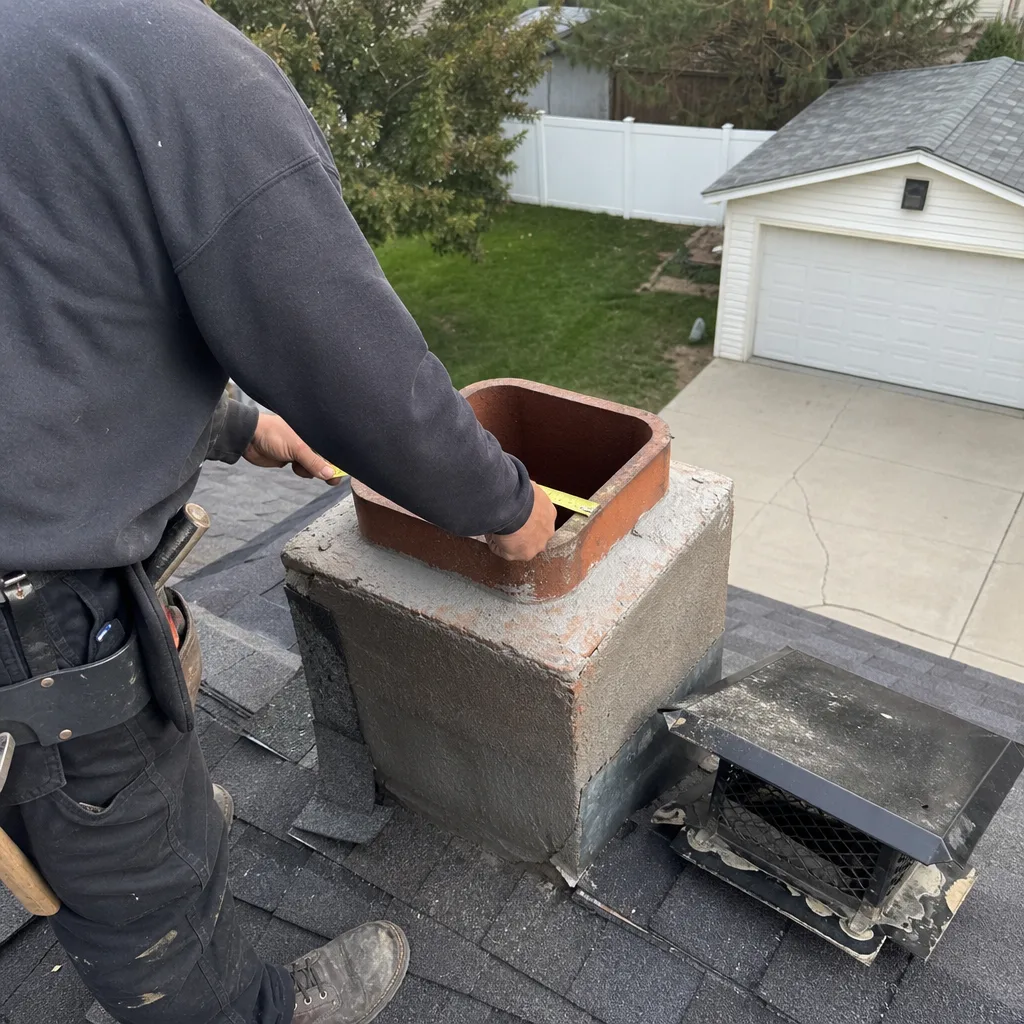
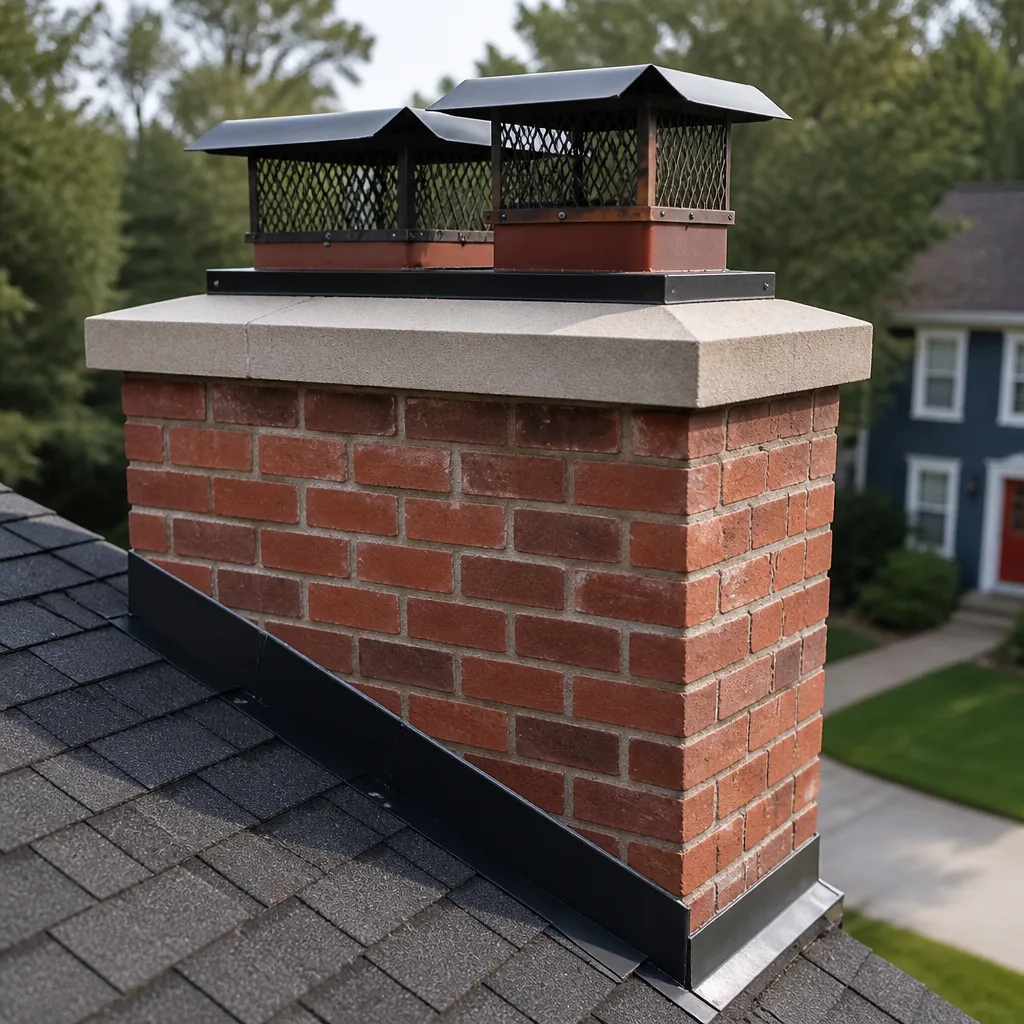
The crown is the concrete or masonry top that sheds water away from the chimney structure. When it cracks – and the freeze-thaw cycle cracks them – water runs into the masonry instead of off it. The cap sits above the flue opening and keeps rain, birds, and debris out of the flue. When the cap is missing or damaged, water goes straight down the flue, and the whole system pays for it.
That’s why we include cap and crown work in our service scope. A cap isn’t an add-on we push; it’s the reason a repair lasts. If we inspect a chimney and find a damaged crown or a missing cap, we quote the fix before touching anything, and we install it ourselves rather than sending you to another contractor. One call covers it: sweep, inspect, repair, and protect.
Common Mistakes to Avoid
- Treating one annual sweep as a complete schedule. For a household burning several cords, a single fall sweep misses the buildup that happens mid-winter. The mid-season check is what closes that gap.
- Skipping the spring inspection because the fall sweep looked fine. A chimney that passed inspection in October can have a cracked crown by March. The freeze-thaw cycle does its damage after the fall visit, so a spring check is a separate, necessary step.
- Burning unseasoned wood and blaming the sweep. Wet wood produces more creosote and cools the flue, which speeds buildup. If your flue was clean in fall and crusty by mid-winter, check your wood before you blame the cleaning.
- Ignoring the cap because it’s “just a cover.” A missing or damaged cap is the most common entry point for water in a Spanish Fork chimney. It’s the cheapest fix that prevents the most expensive damage.
- Climbing onto the roof to check the crown or cap yourself. Roof work is a fall risk, and one wrong step is worse than any chimney problem. Check from the ground and have the roof-level work done professionally.
- Assuming a gas insert needs no maintenance because it burns clean. Gas produces no creosote, but venting and combustion still need an annual inspection. A gas appliance that’s venting badly is a safety issue.
- Cleaning creosote or repairing a flue yourself. Glazed Stage 3 creosote and damaged flue liners are not homeowner jobs. This is work for a trained professional, and getting it wrong risks a fire or structural damage.
See the difference
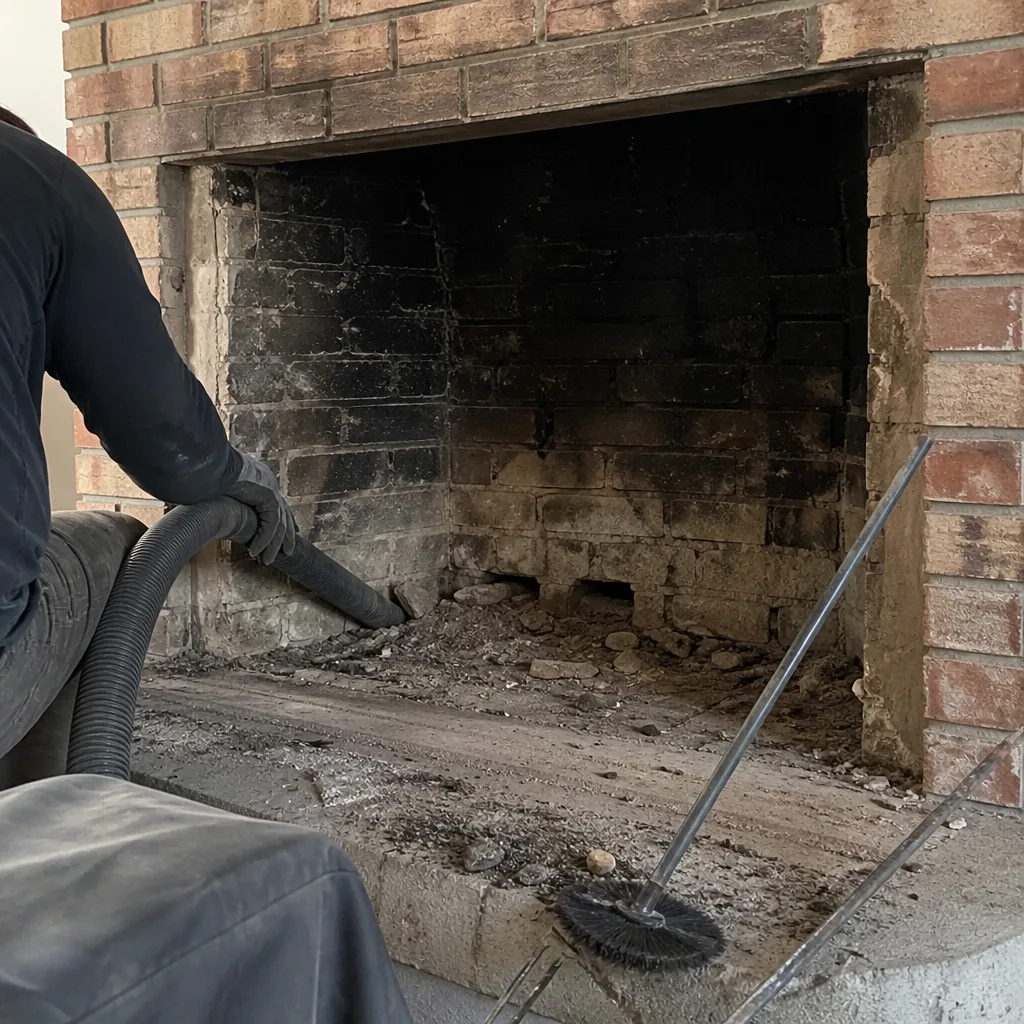 Before
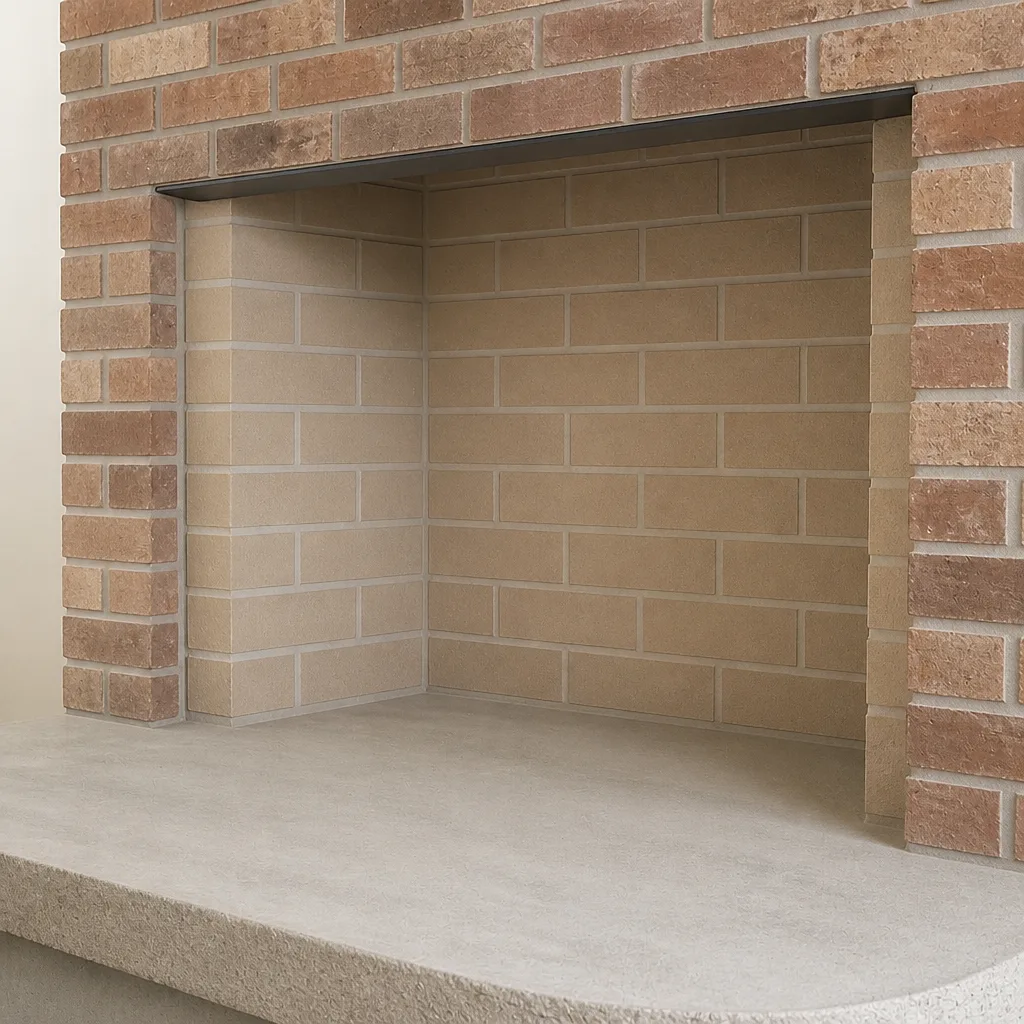 After
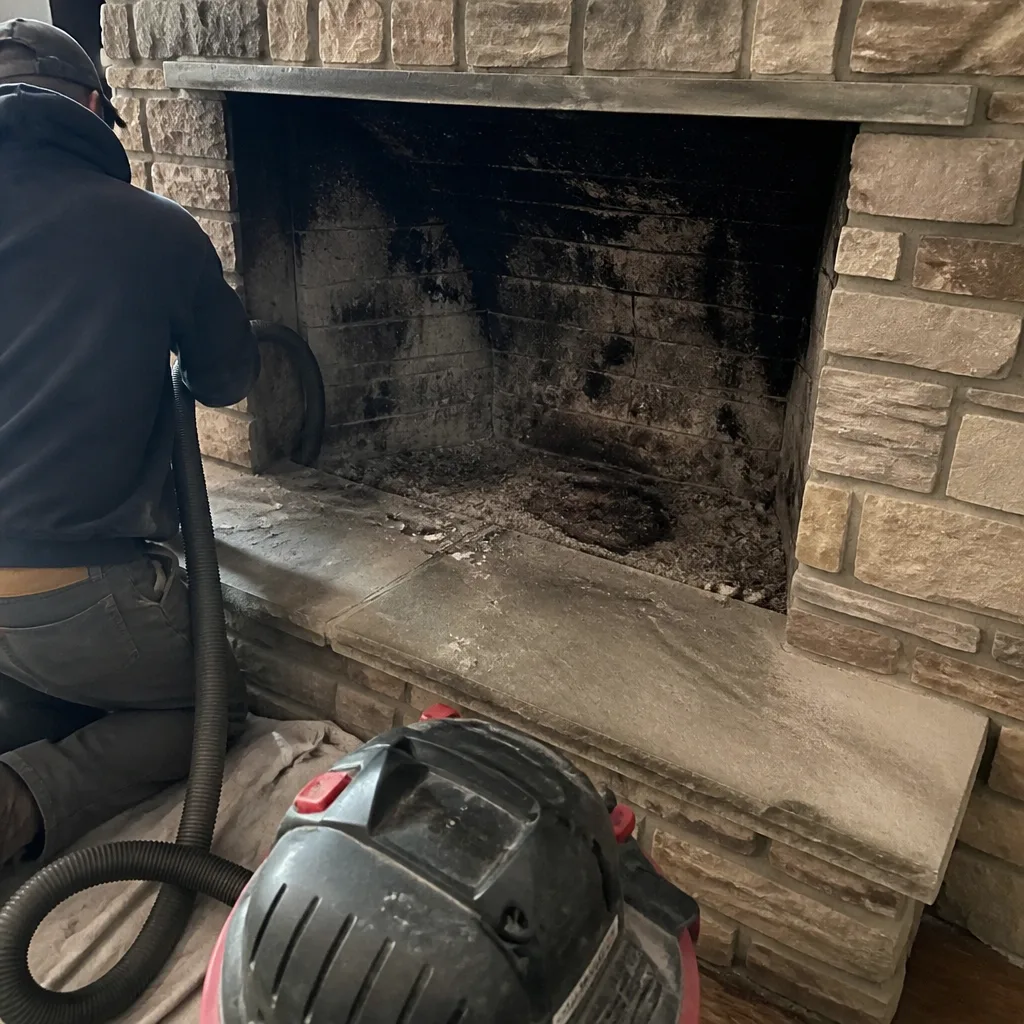 Before
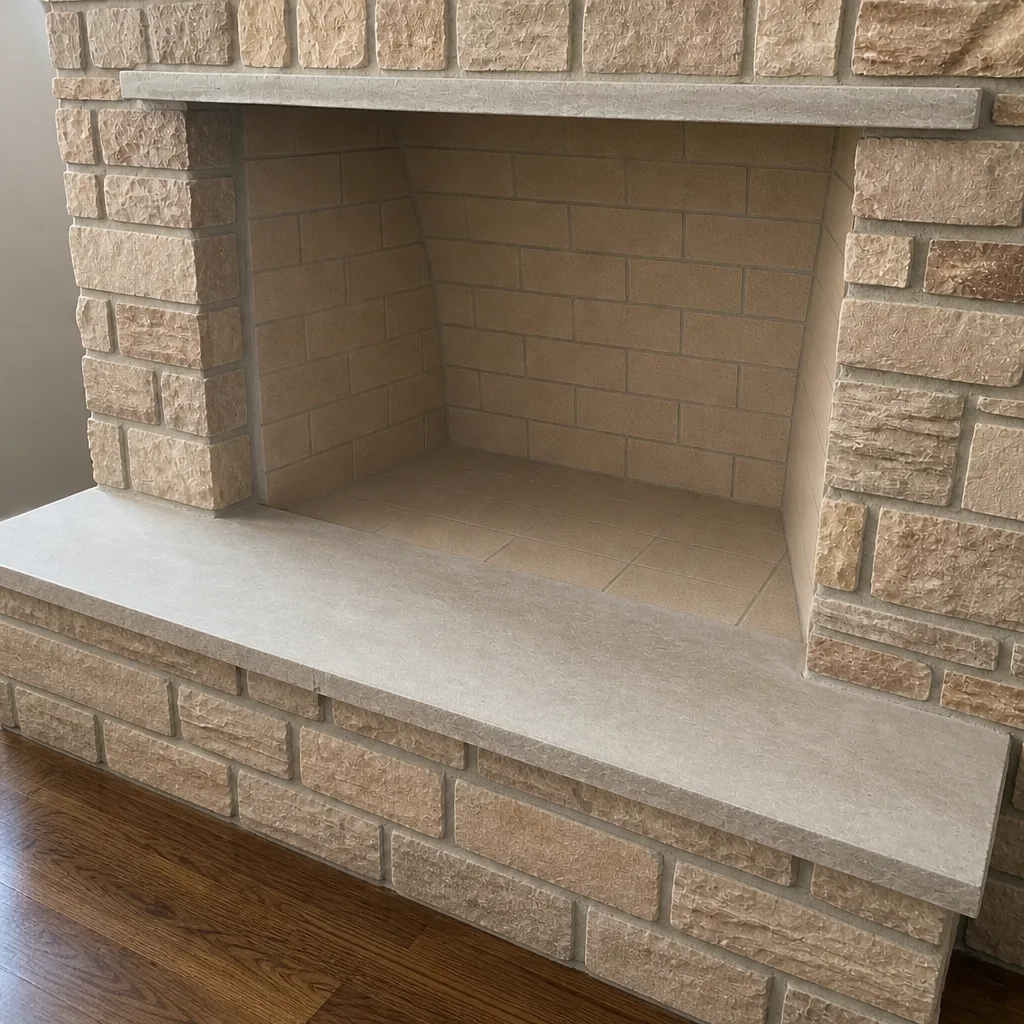 After
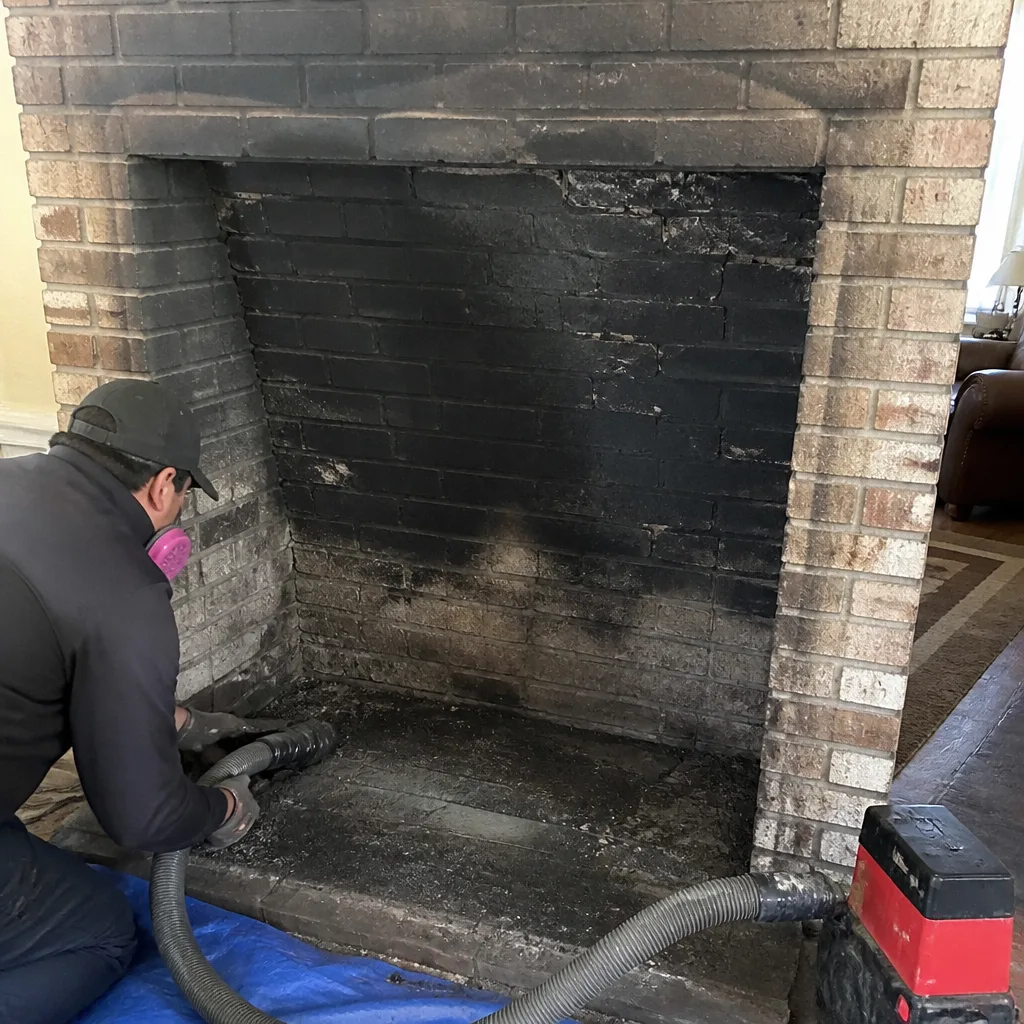 Before
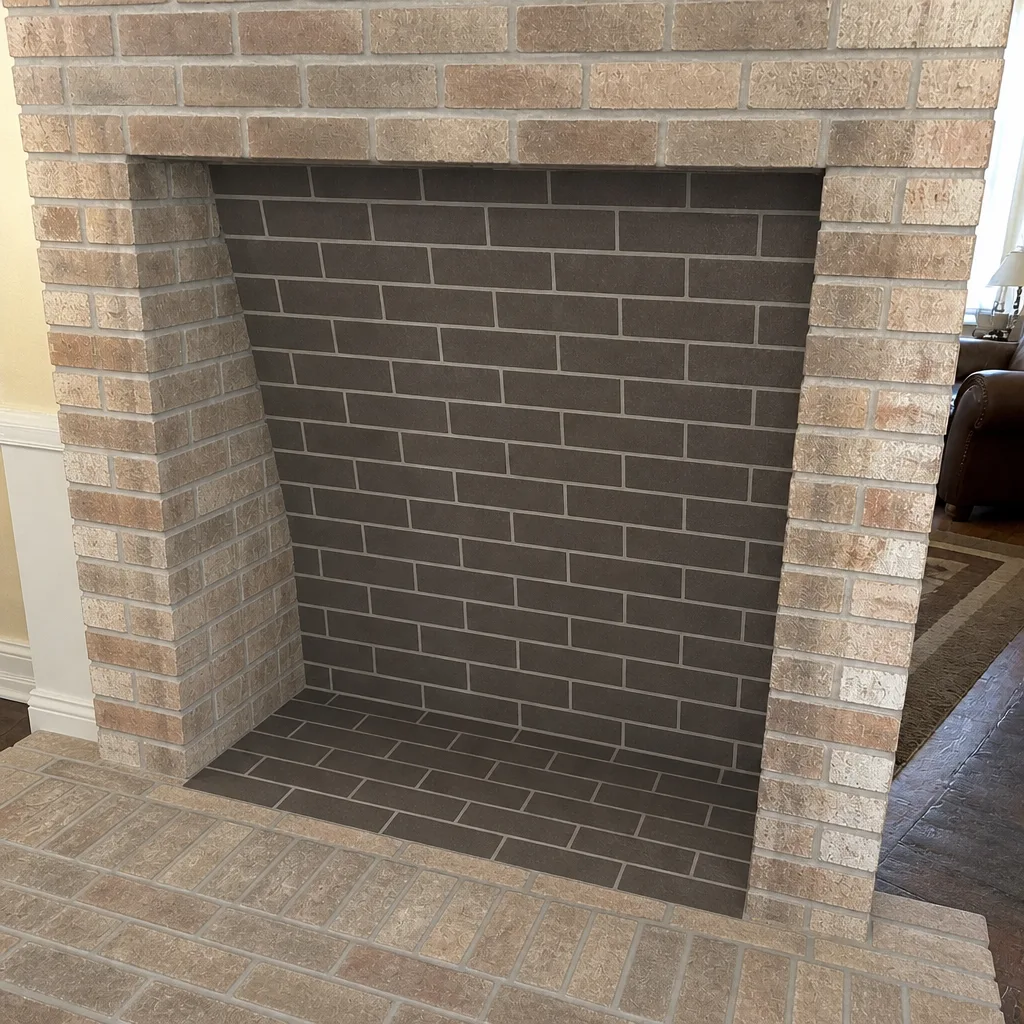 After
When to Call a Professional
Some situations call for a professional right away rather than at the next scheduled visit. If smoke is coming back into the room, the fireplace smells strongly of smoke when idle, you see a cracked crown or loose cap from the ground, or you’ve burned past two cords of wood and haven’t checked the flue since the fall sweep, it’s time to book an inspection. Creosote that’s gone hard and glazed, or a damaged firebox, also call for a professional rather than a homeowner attempt. For the annual sweep and inspection in Spanish Fork, we handle the full system: sweep, inspection, fireplace repair, and chimney repair, plus cap and crown work, all without subcontracting. Chimney Sweep Spanish Fork offers free estimates in Spanish Fork, so the cost of finding out is nothing. Call (877) 492-4380.
Frequently Asked Questions
At least once a year for most households, and more often for anyone burning several cords of wood. For active wood burners, we recommend the annual fall sweep plus a mid-winter creosote check at the two-cord mark, and a spring cap and crown inspection after the last freeze. Call (877) 492-4380 for an exact quote on your schedule – estimates are free.
Creosote keeps building in the flue, and by the following fall you may be at Stage 2 or Stage 3, which is harder to remove and raises the risk of a chimney fire. You also lose the chance to catch a cracked crown or shifted cap before winter water gets in. Skipping isn’t automatically a disaster, but it stacks the risks. Call (877) 492-4380 to get back on schedule – estimates are free.
Yes, if you’re burning through the winter. A fall sweep cleans the flue, but it can’t clean what hasn’t built up yet. By the two-cord mark, creosote has accumulated since the sweep, and a quick check tells you whether you’re still in a safe range or need a mid-season cleaning.
No. Gas and pellet appliances produce little or no creosote, so they don’t need the same mid-season creosote check. They still need at least an annual inspection of the venting and the firebox. Each fuel type has its own failure points, so the schedule should match what you burn.
A professional inspection identifies it. Stage 3 is a hard, shiny glaze that brushing won’t remove, and it’s the stage most associated with chimney fire risk. You can’t reliably judge it from inside the firebox, which is why an inspection with a look at the flue is the way to know. Call (877) 492-4380 for an inspection – estimates are free.
Sometimes. HeatShield resurfacing can restore a damaged flue in place, without tearing out the existing liner, in certain cases. Whether it’s the right call depends on the damage, so the inspection comes first. We handle that restoration work directly, and we recommend nothing without showing you what the inspection found. Call (877) 492-4380 for an exact quote – estimates are free.
The Bottom Line
A real chimney maintenance schedule for Spanish Fork households has three service points and a monthly habit: a fall inspection and sweep before burn season, a creosote check at the two-cord mark mid-winter, and a spring cap and crown assessment after the freeze-thaw cycle has done its damage. Add monthly visual checks and damper checks you can do from the floor. Fuel type shifts the intervals – wood needs the most attention, gas and pellet less on creosote but still an annual inspection. The annual standard is a floor. Build the schedule around how you actually burn, and the fireplace stays safer and the repairs stay smaller.
If your schedule needs setting, or you’re not sure where your flue stands, Chimney Sweep Spanish Fork handles the full system: a chimney sweep, inspection, fireplace repair, and chimney repair, plus cap and crown work. We use contractor-grade materials from lines like Gelco, Olympia Chimney, Famco, and Copperfield, not the hardware-store alternative, and we tell you what we find and quote the fix before we touch anything. Call (877) 492-4380 for a free estimate. We answer 24/7. Fast dispatch from 7am to 7pm, Sunday through Friday.
Written by the team at Chimney Sweep Spanish Fork.