
Last updated November 24, 2026
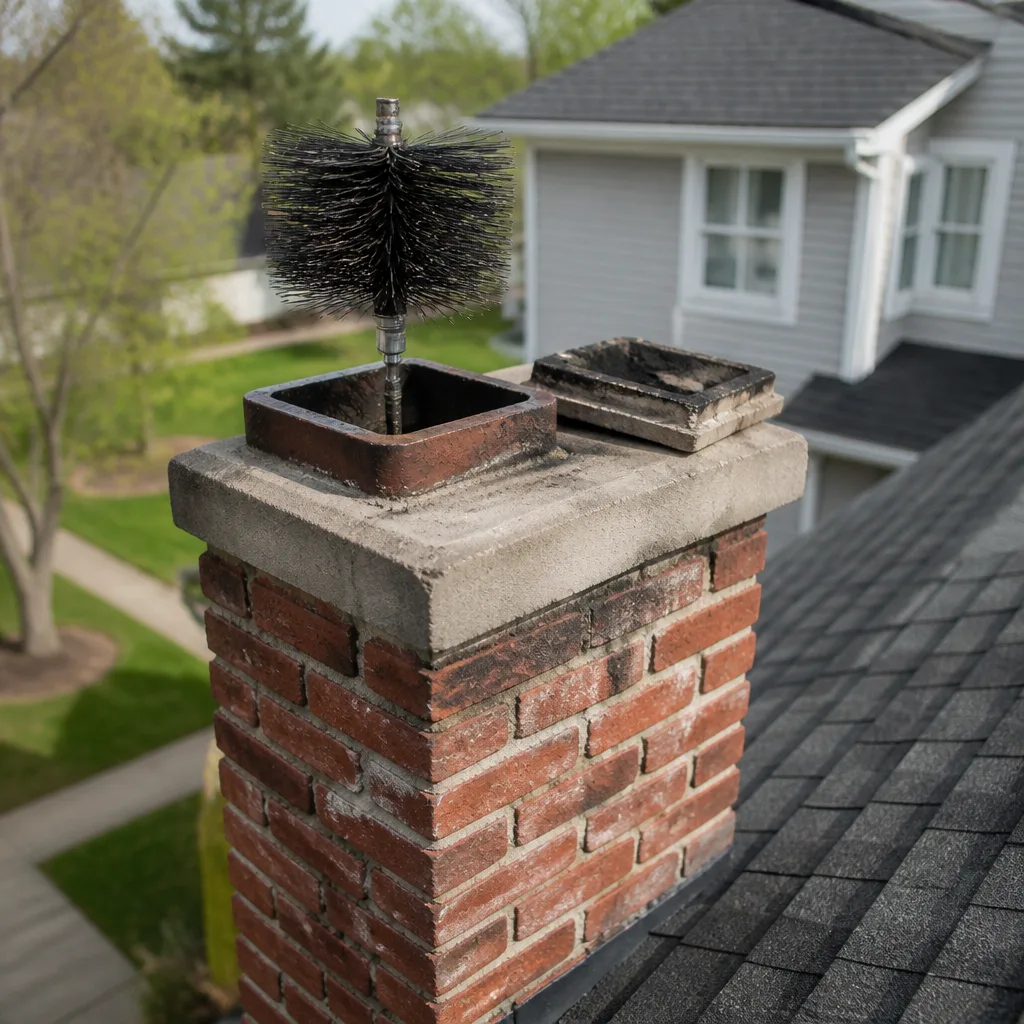 Sweep & inspection
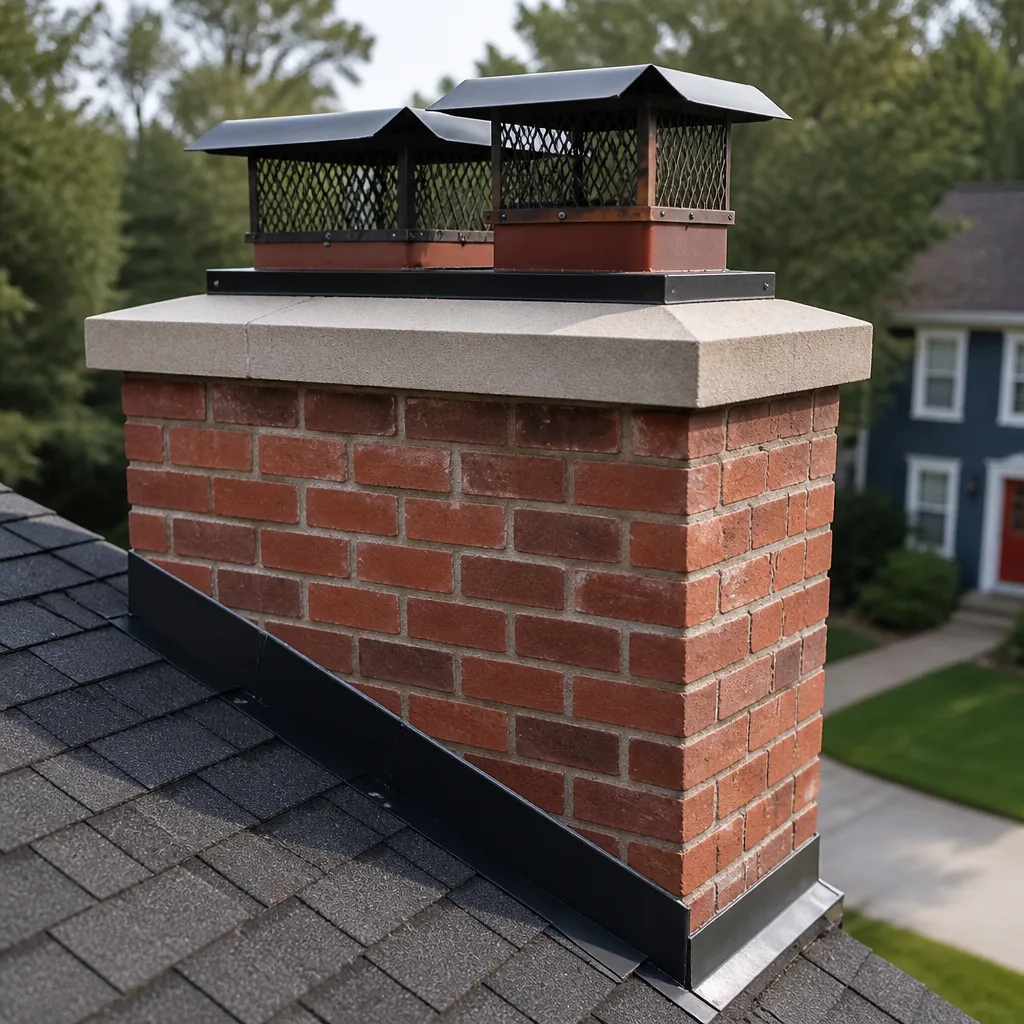 Caps & crowns
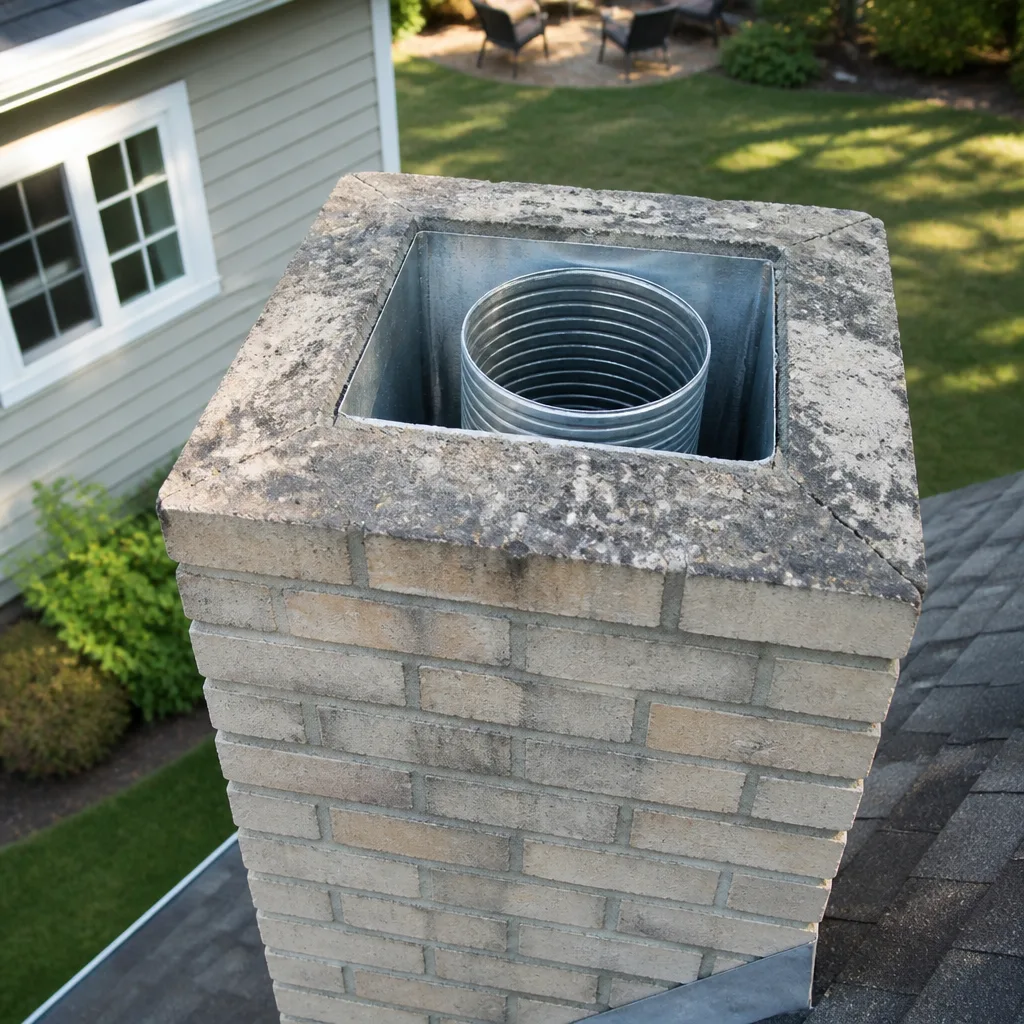 Flue relining
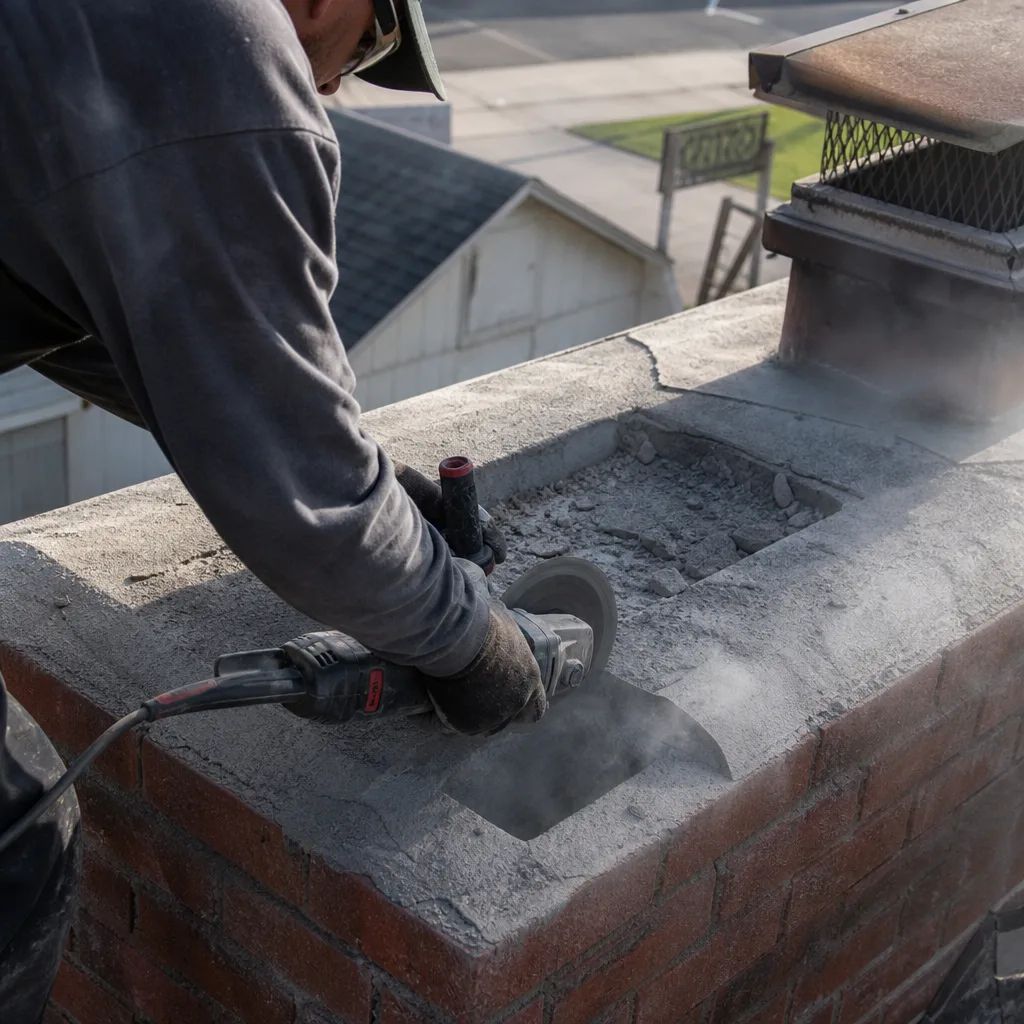
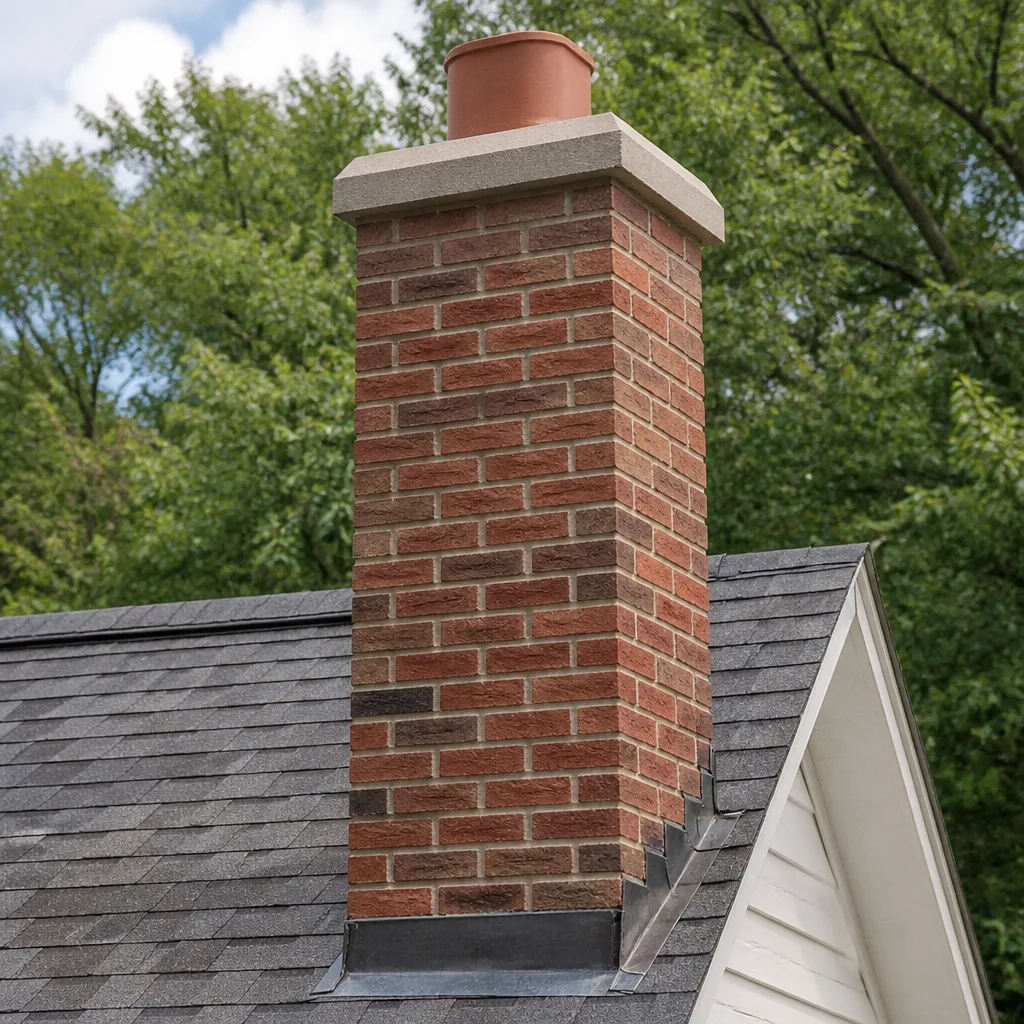 Masonry repair
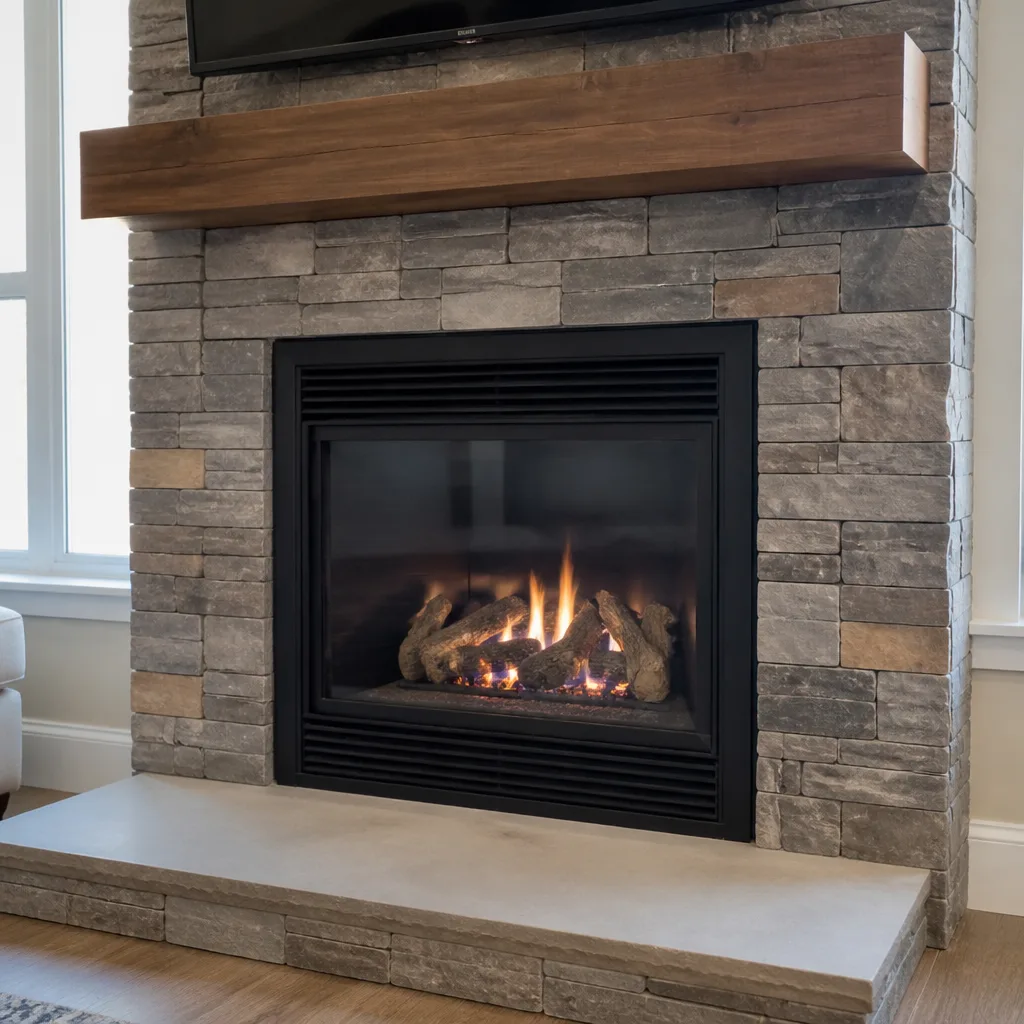 Gas fireplace service
Level 1 sweep and inspection to the NFPA 211 annual standard - flue, crown, cap, and flashing checked and photographed
Chimney sweep logs do not sweep chimneys. They loosen some creosote - which then falls where a brush and vacuum still have to collect it.
Chimney Cleaning Emergency Preparedness Guide for Spanish Fork Homes
Most chimney emergencies don’t start without warning. They start with a sound you talked yourself out of, a smell you decided was normal, or a draft that got a little worse every week until it stopped working altogether. A chimney fire can reach 2,000°F inside the flue in under two minutes, and in Spanish Fork homes with clay tile liners, that heat is often enough to crack the tile on the first event. A cracked flue is no longer a cleaning problem. It’s a reline. This guide covers what a chimney emergency actually looks and sounds like in Spanish Fork, what to do in the moment, and how to recognize the precursors while they’re still cheap to fix.
Quick Answer
A chimney emergency in Spanish Fork is almost always preceded by warning signs that were detectable for weeks: creosote buildup, a failing draft, a cracked flue tile, or a damaged crown letting water in. Recognizing those signs, and knowing the difference between a chimney fire in progress and a normal burn, is what emergency preparedness actually looks like. If you suspect a chimney fire, call 911 first, then have the system professionally inspected before any further use.
Table of Contents
- How to Recognize a Chimney Fire in Progress
- What to Do in the First Minutes of a Chimney Fire
- After a Chimney Fire: Why Inspection Comes Before Any Other Use
- Carbon Monoxide Risk in Spanish Fork’s Cold-Start Conditions
- What a Level 2 Inspection Catches That a Visual Check Cannot
- The Precursors You Can Spot Before an Emergency
- Preparing Your Chimney Before Burning Season in Spanish Fork
- Insurance Documentation and Post-Event Inspections
How to Recognize a Chimney Fire in Progress
A chimney fire is not always the roaring, flame-shooting event people picture. Many burn slowly, at lower temperatures, and go unnoticed for days. In Spanish Fork homes, where cold winters push people to burn hot fires in older fireplaces, the slow-burning type is the one we hear about most. The signs split into what you hear, what you smell, and what you see.
What you hear:
- A low rumbling or roaring sound from the chimney, like a distant train or a low-flying aircraft
- Loud popping or cracking, which often means creosote is igniting in stages
- A sudden whooshing sound when you open the firebox door
What you smell:
- A sharp, hot, almost chemical smell that’s distinct from normal wood smoke
- Smoke backing into the room instead of drafting up
- A burning-plastic or burning-rubber odor, which can indicate the flue is overheating
What you see:
- Flames or sparks visible at the top of the chimney
- Dense smoke pouring from the cap in a way that doesn’t match what’s in the firebox
- Discolored or warped metal on the chimney cap or damper
- Creosote flakes or pieces of tile in the firebox after a burn
A quiet chimney fire leaves less to see but does damage in the same way. If you’ve had a hot, fast fire and then find cracked or flaking material in the firebox the next morning, treat that as evidence of an event until an inspection says otherwise.
What to Do in the First Minutes of a Chimney Fire
The correct first move depends on what’s burning. Here’s the sequence we recommend for Spanish Fork homes:
- Call 911 if there’s any doubt. A chimney fire can spread into the framing before you notice it from inside the room. Fire crews would rather confirm a safe chimney than arrive to a house fire.
- Get everyone out of the house and stay out. This is not negotiable if you see flames at the top of the chimney or smell burning that doesn’t match wood smoke.
- If the fire is small and contained in the firebox, close the glass doors and the damper to cut off the air supply. A damper close reduces oxygen to a fire in the firebox but does not safely extinguish a fire already burning inside the flue.
- Never pour water into a hot chimney or firebox. The thermal shock can crack clay tile liners instantly, turning a chimney that could have been cleaned into one that has to be relined.
- Don’t use the fireplace again until the system is professionally inspected.
A damper close is a tool for limiting a fire in the firebox, not a solution for a chimney fire already inside the flue. If you’re not sure which you have, act as if it’s the flue and call.
After a Chimney Fire: Why Inspection Comes Before Any Other Use
Here’s the part people skip. The fire is out, nothing looks obviously wrong, so the fireplace gets used again the following week. The problem is that a clay tile flue can crack invisibly during a fire, and a cracked flue allows heat and carbon monoxide into the wall cavity and the home. A fire that damaged only the flue liner, from the outside, looks exactly like a normal fire to everyone in the room.
The sequence after any suspected or confirmed chimney fire:
- Stop using the chimney immediately, even if it seems fine
- Book a professional inspection with camera capability, not just a visual look from the firebox
- Get the findings documented in writing, with photos, for your own records and for your insurer
- Complete any recommended repairs before lighting another fire, including liner or crown work if needed
- Have the chimney swept after repairs to remove any leftover creosote and debris
Clay tile liners are common in Spanish Fork’s older homes, and they don’t tolerate rapid heating and cooling well. A single event can create a hairline crack that grows with every subsequent fire. That’s why an inspection after any chimney fire isn’t a formality. It’s the step that decides whether you’re looking at a cleaning bill or a reline.
Carbon Monoxide Risk in Spanish Fork’s Cold-Start Conditions
Spanish Fork winters are cold enough that people light fires in a fireplace that has been sitting unused for months, sometimes with a cold flue and a closed damper. That cold start is when draft is weakest and when carbon monoxide risk is highest. A cold flue doesn’t draw well until it warms up, and a weak draft can push exhaust gases back into the room instead of up and out.
Detector placement matters more than most people realize. We recommend:
- A CO detector on every level of the home, including the basement if you have a furnace or water heater flue there
- One near the sleeping area, so an alarm wakes you
- One in the room with the fireplace or wood stove, positioned at least 15 feet from the appliance to avoid false alarms from normal startup
- Test detectors before burning season, not during the first fire
Furnace flues and fireplace flues both can be sources of CO if they’re cracked, blocked, or not drafting properly. If you have a fireplace and a furnace sharing a utility space, both deserve a look before the heating season starts. A CO alarm that goes off when you light a fire is not a malfunction. It’s the system telling you something is wrong.
What a Level 2 Inspection Catches That a Visual Check Cannot
A Level 2 inspection is a camera-based internal inspection of the flue, and it’s what you want after a chimney fire, after a flue failure, or when you’re not sure whether the system can be used safely. A visual check from the firebox only sees the bottom few feet of the flue. The rest of the flue is where cracking, gaps, and creosote glazing actually live.
What a Level 2 inspection assesses:
- The full interior of the flue, via camera, including the top sections you can’t see from below
- Flue tile integrity, including cracks and gaps between tile sections
- Creosote condition, including glazed creosote that won’t come off with a standard brush
- Joints and connections between the appliance, the flue, and the chimney structure
- The crown and cap, where water intrusion most often starts
- Draft performance, to establish whether the chimney can vent safely
In our experience, the findings from a Level 2 inspection are what change a homeowner’s plan. A flue that looked fine from the firebox can turn out to have a two-foot section of cracked tile near the top. That’s the difference between cleaning and repair. We use camera inspection and document what we find with photos, and we quote the fix before touching anything.
The Precursors You Can Spot Before an Emergency
The thesis of this whole guide is that chimney emergencies have precursors. Here’s what to watch for in Spanish Fork homes, and what each sign usually means:
- Smoke rolling back into the room when you light a fire. Weak draft. Could be a cold flue, a blockage, or a flue that’s too small for the appliance.
- A strong smoke smell in the house after a fire. Can mean the damper isn’t sealing, or the flue is dirty enough that smoke is finding another path.
- Creosote flakes in the firebox. That’s a buildup that’s flaking off. If it’s glazed and shiny, it’s the stage that fuels a hot, fast chimney fire.
- Water stains on the chimney or ceiling near the fireplace. The crown or cap is letting water in. Water intrusion degrades the flue structure over time.
- A crumbling or missing chimney cap. Caps keep water, birds, and debris out. A missing cap is one of the most common reasons we find a chimney needing repair.
- A fire that burns down too fast or smokes heavily. Often a sign of a badly sized flue or an air supply problem.
- Any sign of the firebox brick breaking apart. That’s structural, and it doesn’t fix itself.
None of these means a fire is imminent. All of them mean the system is telling you something. A scheduled chimney sweep and inspection catches most of them while they’re still small.
Preparing Your Chimney Before Burning Season in Spanish Fork
Spanish Fork sits at the base of the mountains, and the burning season here starts earlier and ends later than most homeowners plan for. Our recommendation is to book the sweep before the first cold snap, not after you’ve had one fire that didn’t vent right. Here’s a simple yearly sequence:
- Book a sweep and inspection in late summer or early fall, before the first stretch of cold nights
- Do a first test burn on a mild evening, with a window cracked to monitor draft and check for smoke rollback
- Check the CO detectors on every level, and test the batteries
- Look at the cap and crown from the ground after the first hard freeze, to spot cracking or movement
- Note the first sign of any precursor from the list above, and call about it rather than waiting
- Schedule any repairs so they’re done before the cold settles in, not during a mid-winter failure
We work with contractor-grade products for repairs, including Gelco and Olympia Chimney components, because those are the products that hold up when the chimney is subjected to repeated freeze-thaw cycles across a Spanish Fork winter. Hardware-store parts are not built for it.
Insurance Documentation and Post-Event Inspections
After a suspected chimney fire or a carbon monoxide event, insurance companies increasingly want documentation that the chimney was professionally inspected afterward. A verbal “we looked at it” doesn’t carry the same weight as a written inspection report with photos. This is why we document what we find and provide it to the homeowner, not just a recommendation over the phone.
What to have ready if you’re filing a claim:
- The written inspection report with the camera findings and photos
- A description of the event, including what you saw, heard, and smelled
- Any fire department report, if they responded
- The estimated cost of repairs, in writing
If a repair is needed, we quote it before touching anything, and you can submit that quote to your insurer. We don’t recommend work that isn’t supported by what the camera shows. If something can safely wait, we tell you that too. That’s a simple standard: the report is your evidence, and you should be able to see what we saw.
Common Mistakes to Avoid
- Assuming a chimney fire is always loud. A slow-burning chimney fire can smolder for days with nothing but a faint smoke smell and a bit of creosote flaking in the firebox. Treat the after-effects as evidence, not the sound during the fire.
- Using the fireplace after a suspected chimney fire without an inspection. The flue can crack invisibly during the event. A single cracked tile means heat and carbon monoxide can enter the wall cavity. There is no way to know from the firebox whether that’s happened.
- Pouring water into a hot chimney. The thermal shock alone can crack clay tile liners in Spanish Fork’s older homes. The fire is better managed by calling for help than by attacking it with a bucket.
- Skipping the CO detector near the fireplace. Smoke alarms don’t detect carbon monoxide. A separate CO detector near the fireplace, and one near sleeping areas, is the setup that actually gives you warning.
- Waiting until the first cold night to test the draft. A cold flue with a poorly sealed damper can push exhaust back into the room. Test on a mild evening in fall, with the window cracked, before the real fire.
- Hiring a sweep who only cleans and can’t restore. A sweep who can clean but can’t correctly evaluate or repair a cracked flue will still recommend the cleaning. A chimney sweep who can also handle liner work and a chimney repair in the same visit is the one who can give you a straight answer about the whole system.
- Ignoring water intrusion. A missing cap or a cracked crown lets water degrade the flue structure year after year. It’s the slow precursor most homeowners discover after the damage is done.
Styles & brands we work with
- Sweep & inspection
- Caps & crowns
- Flue relining
- Masonry repair
- Gas fireplace service
When to Call a Professional
Call a professional if any of the following are true: you’ve had or suspect a chimney fire, your CO detector has gone off when the fireplace is running, you see cracked or flaking material in the firebox, there’s water staining near the chimney, the cap or crown is missing or damaged, the draft is weak or smoke rolls back, or you simply haven’t had the system looked at before the season started. The same goes if you’ve moved into a Spanish Fork home and don’t know the condition of the flue.
We handle the full chimney system, from cleaning through inspection and repair, without handing off to another contractor. Chimney Sweep Spanish Fork offers free estimates in Spanish Fork. Call (877) 492-4380. We answer 24/7, with fast dispatch from 7am to 7pm, Sunday through Friday. If you’re not sure whether it’s a chimney fire or a normal burn, don’t wait for a better answer to emerge. Call now.
Frequently Asked Questions
A chimney fire often sounds like a low rumbling or roaring from the flue, with popping or cracking as creosote ignites in stages. You may also smell a hot, sharp, almost chemical odor that’s distinct from normal wood smoke, or see dense smoke backing into the room. A quiet chimney fire can burn with almost no sound at all, which is why post-fire inspections matter even when you didn’t hear anything obvious.
Call 911 first if you’re not certain the fire is contained to the firebox, and get everyone out of the house. A damper close only limits oxygen to a fire in the firebox, not to a fire already burning inside the flue. Fire crews would rather confirm a safe chimney than respond later to a spread into the framing. Call (877) 492-4380 for an inspection after the event, once everyone is safe.
Yes. The most common damage from a chimney fire is an internal crack in the flue tile that you can’t see from the firebox. A cracked flue allows heat and carbon monoxide into the wall cavity, and subsequent fires make the crack worse. A camera-based Level 2 inspection is the only way to know the flue’s actual condition. Call (877) 492-4380 to book one.
Most homes should be swept once per year, and more often if you burn frequently or use the fireplace as a primary heat source. If you’ve had a chimney fire or have any precursor signs, sweep and inspect regardless of when the last service was. The cost of a routine Chimney Sweep Spanish Fork visit is far less than a reline. Call (877) 492-4380 for an exact quote on your system.
A Level 1 inspection is a visual check of the accessible parts of the chimney, typically done during a routine sweep. A Level 2 inspection adds a camera inspection of the full flue interior, which is what’s needed after a chimney fire, a flue failure, or a change in appliance. The Level 2 is what catches cracked tile and hidden creosote glazing. Call (877) 492-4380 to schedule one.
A typical chimney cleaning in Spanish Fork is priced per job by a written estimate, and the estimate is free. What we recommend is the sweep plus the inspection, so you know the whole system’s condition rather than just the firebox. Call (877) 492-4380 for an exact quote on your chimney.
The Bottom Line
Chimney emergencies in Spanish Fork follow patterns, and those patterns have precursors. A chimney fire’s warning signs are usually visible weeks before the event. A CO risk shows up in cold-start drafts and detector placements that were never checked. Flue damage often starts with a cap or crown that was never fixed. The single most effective preparedness step is a yearly sweep and inspection booked before the season, not after a scare. If something already happened, the next step is a documented inspection with photos, before any further use. We handle the whole system, from fireplace repair through the flue, and we quote the fix before touching anything. Call (877) 492-4380. We answer 24/7, with fast dispatch from 7am to 7pm, Sunday through Friday.
Written by the team at Chimney Sweep Spanish Fork.
See the difference
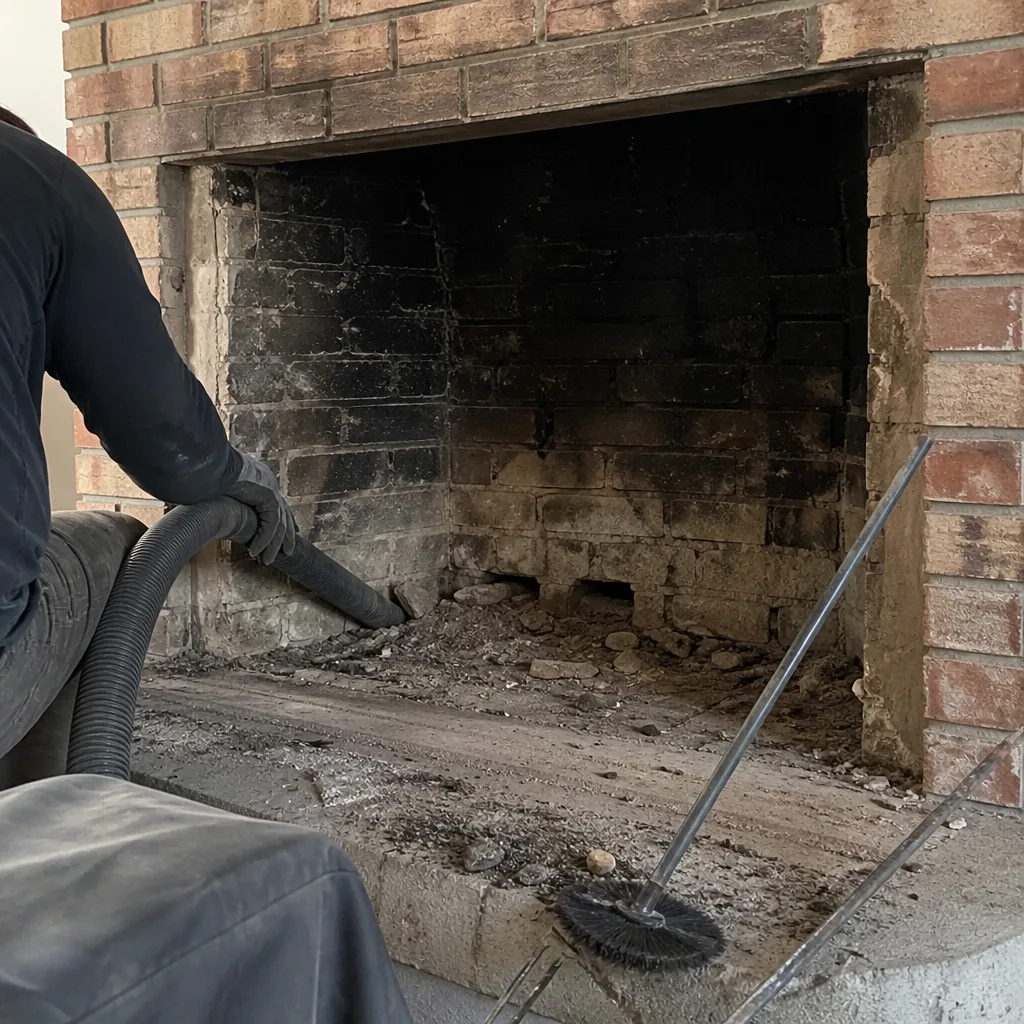 Before
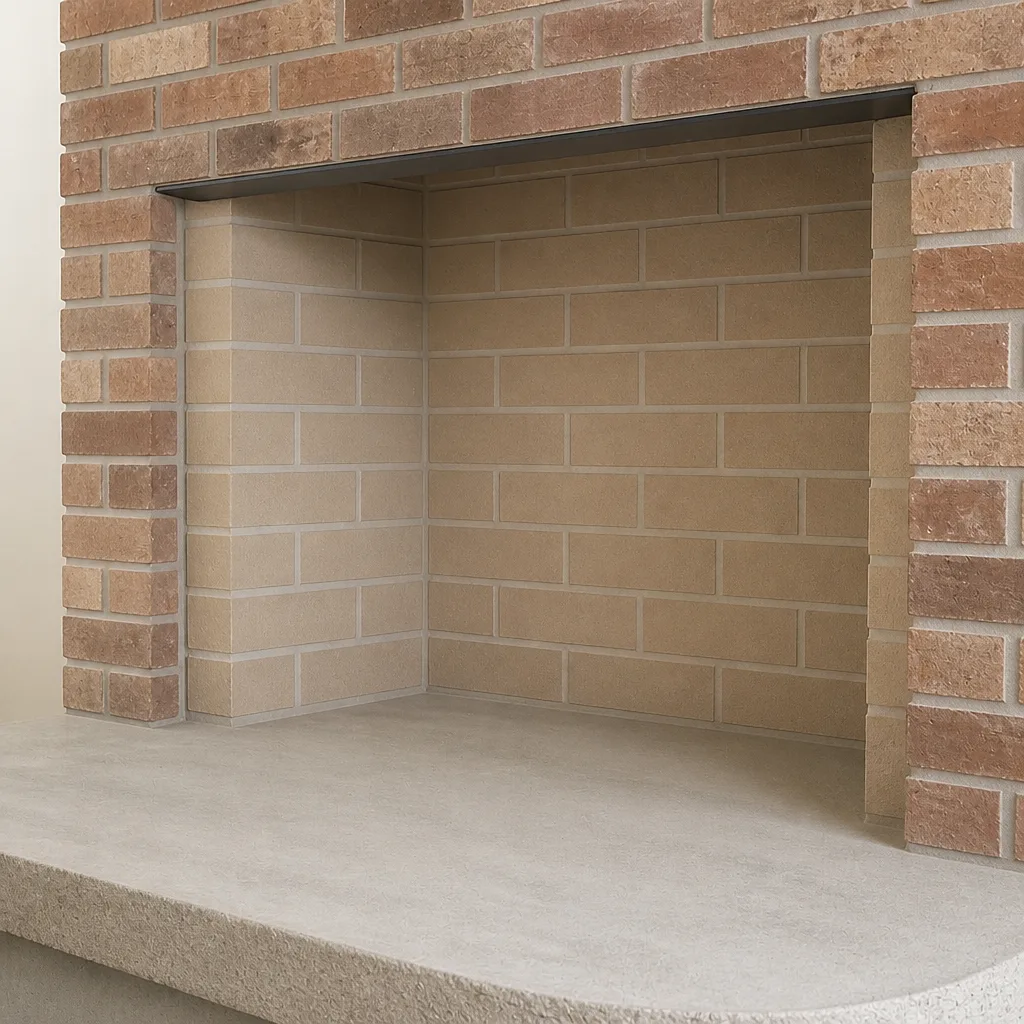 After
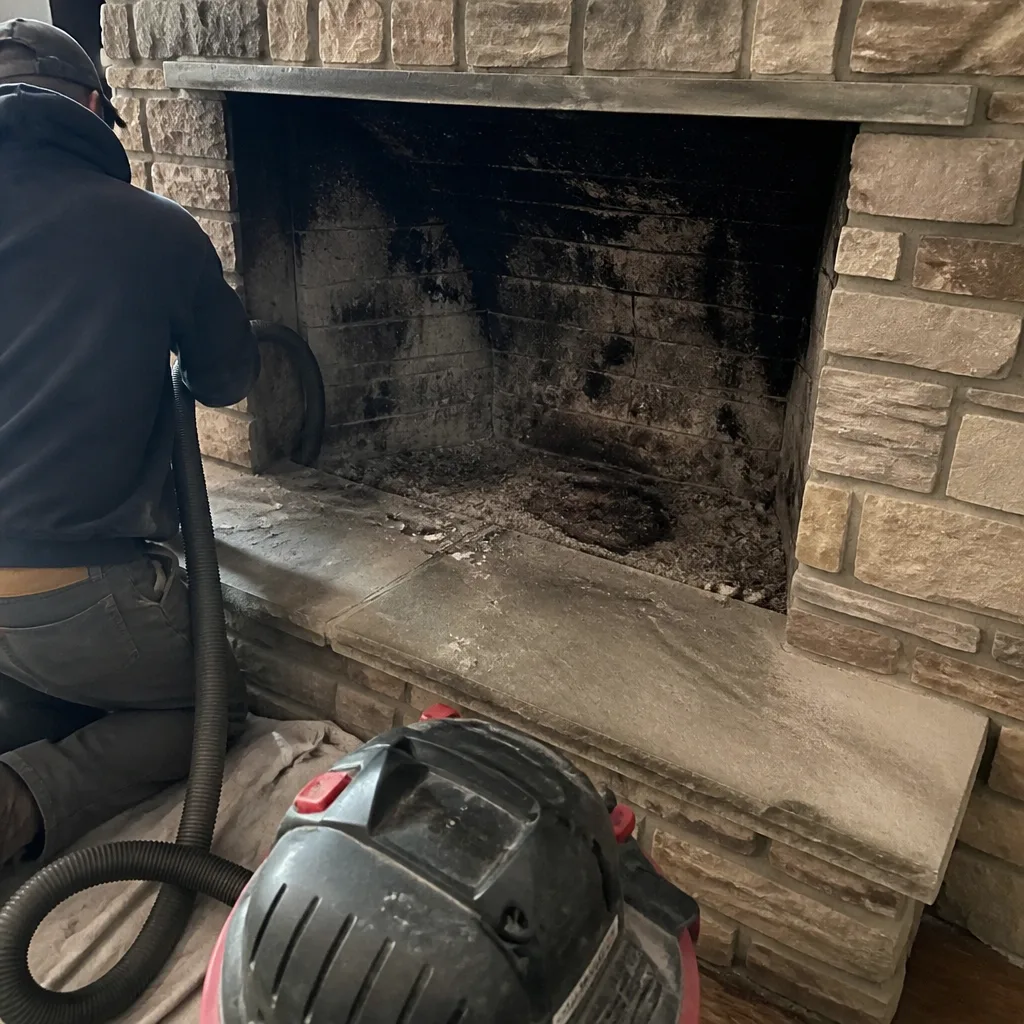 Before
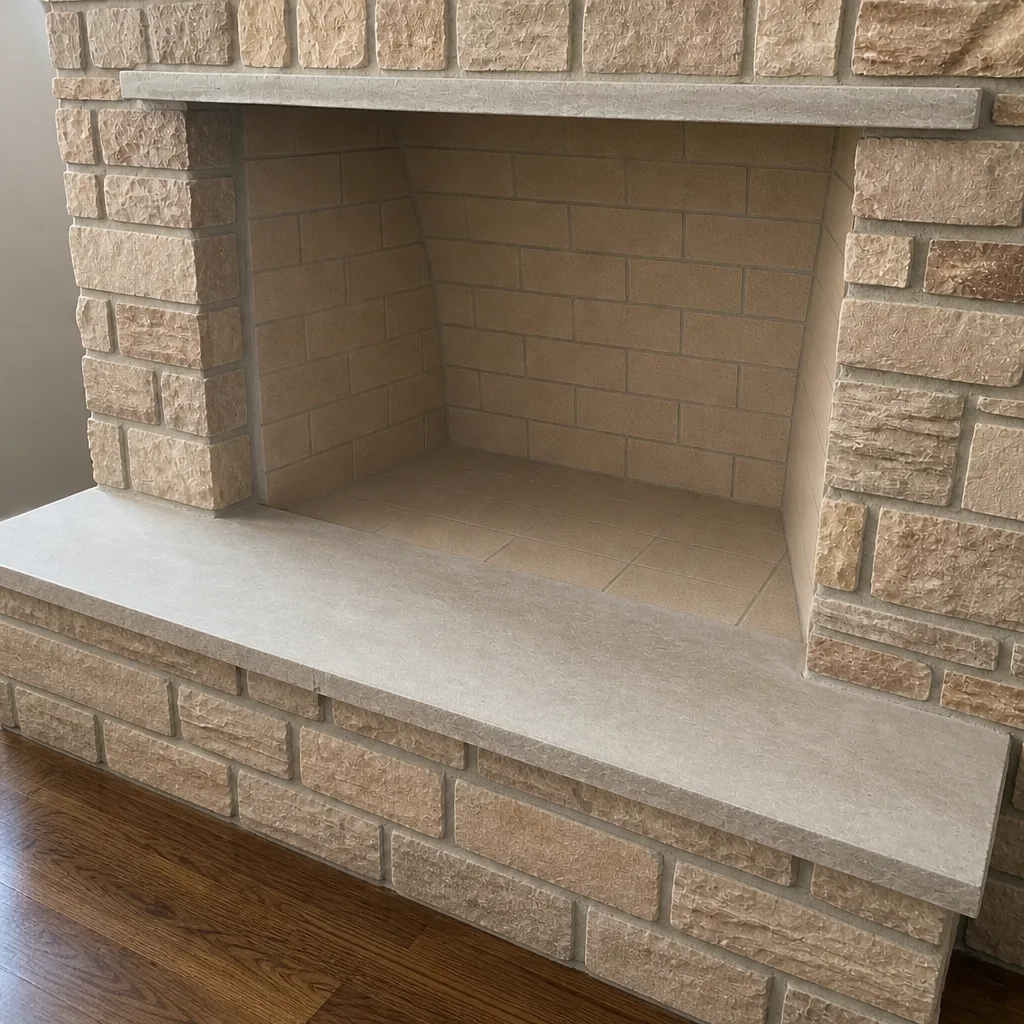 After
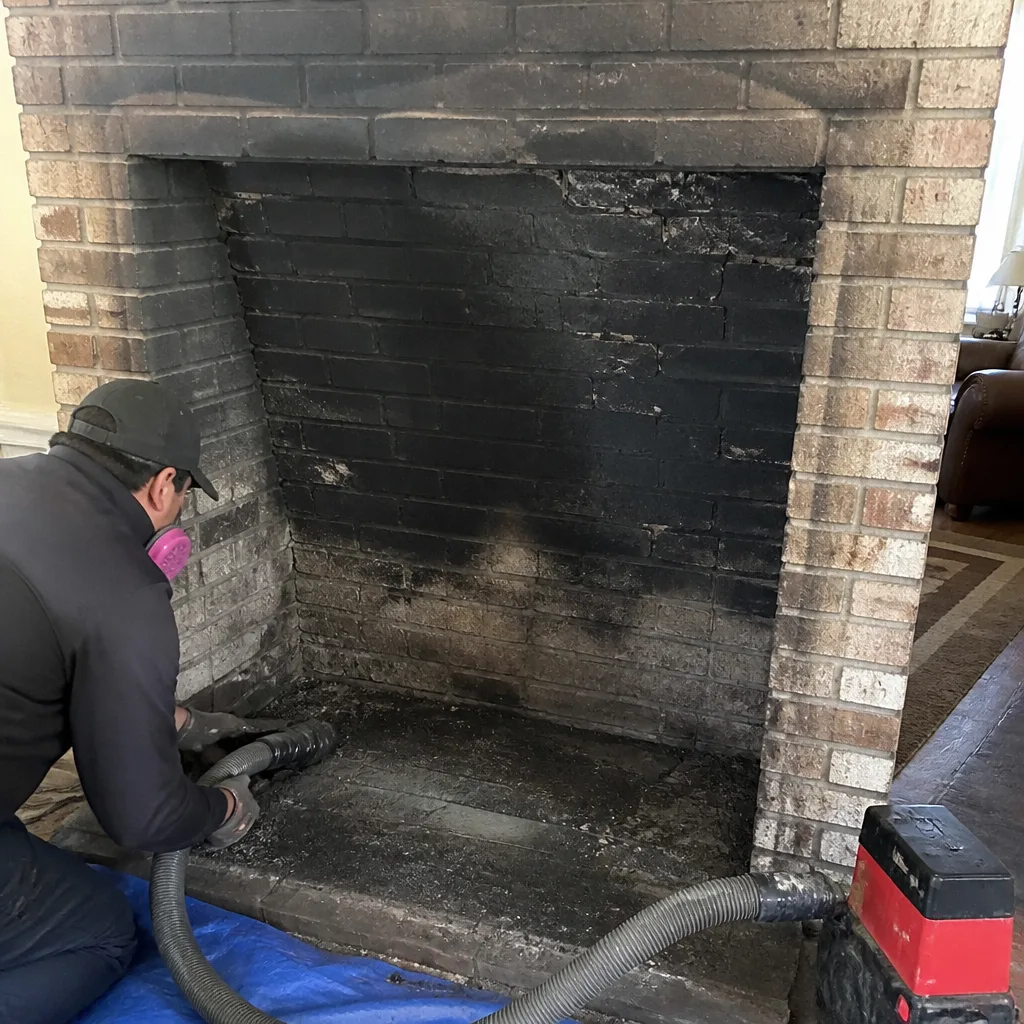 Before
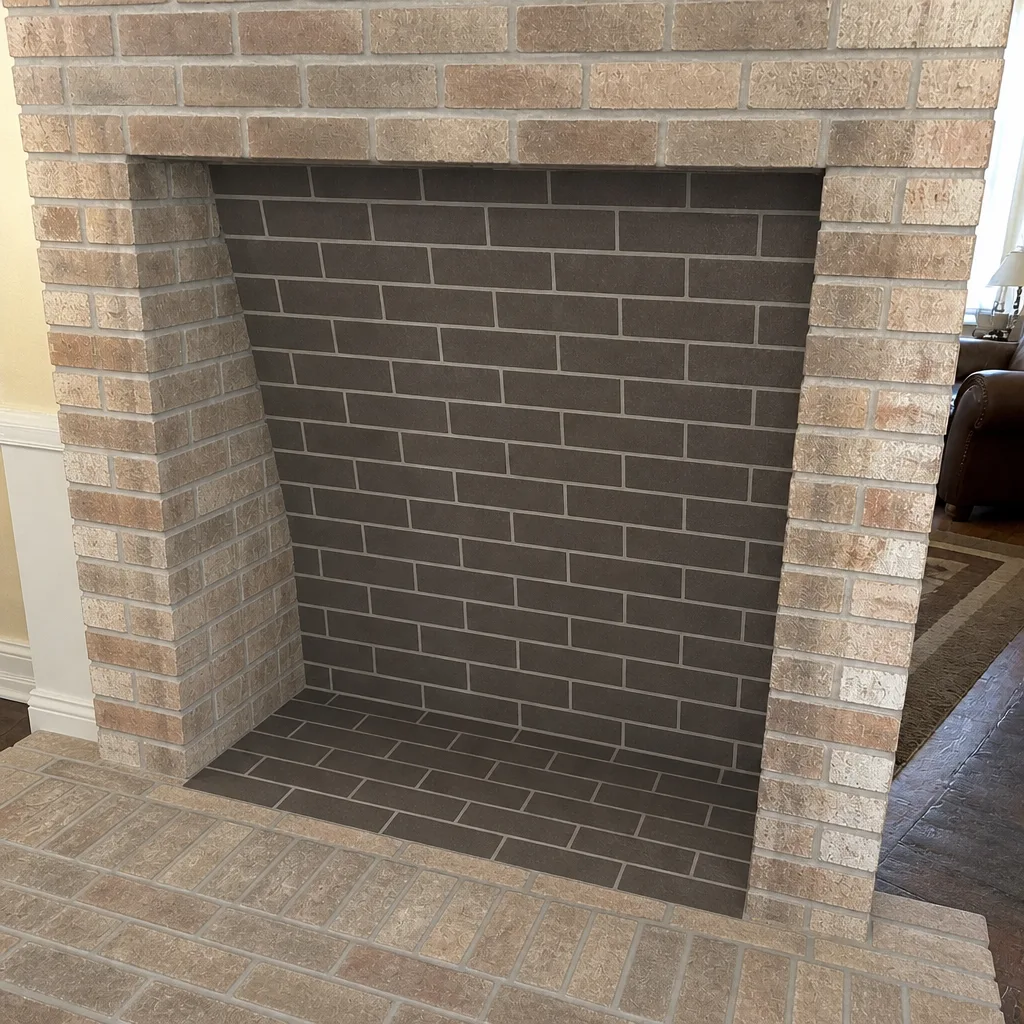 After